
Are You at Risk? 7 Hidden Diseases Pets Can Spread (and How to Avoid Them)

I keep soap by every sink because life with animals gets busy, then messy, then busier. Clean hands matter. So does knowing where the real risks are.
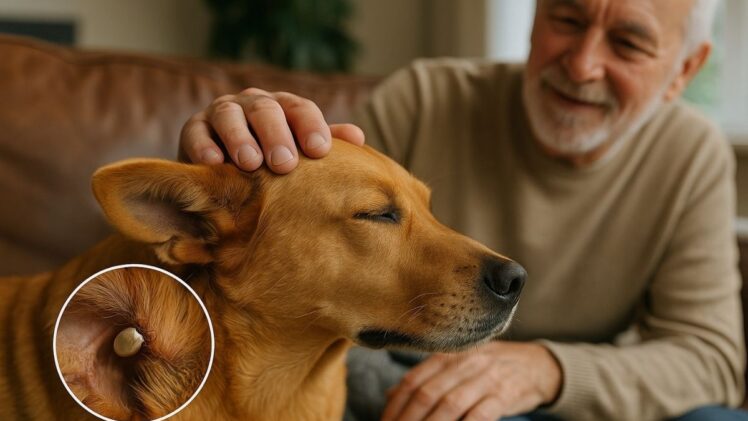
For example, your dog trots in from the yard after a walk through tall grass. A small tick rides in, waits, then grabs you later that evening. That’s how easy it is for an infection to hitch a ride into your home.
According to the CDC, anyone can get sick from germs animals carry, though older adults and people with weaker immune systems should be extra careful. Risky exposures include contact with feces, bites or scratches, or even contaminated surfaces like litter boxes and aquarium water.
The simple truth is that pets can pass germs to people. These are called zoonotic diseases. Most are preventable with simple habits and a little awareness.
Stop Salmonella at the sink
You might think that Salmonella comes purely from undercooked food. Sadly, you’d be wrong. It can also come from pets, especially reptiles and amphibians. These animals can carry it without any signs of sickness. The issue is that it can spread from their droppings, which can get on to fur, spread across habitats like tanks and bowls. Ultimately ending up on your hands and any surface or person you touch.
The key to combating Salmonella is to thoroughly wash your hands and up your wrists for a few minutes with hot soapy water. This should be done after handling pets or their gear. While working in food preparation and kitchens, the process is similar. After handling anything potentially contaminated, hands are washed thoroughly.
When someone has Salmonella, the symptoms appear like stomach flu. This includes nausea, cramps, diarrhea, and fever. By cleaning habitats, washing hands, and keeping such areas outside of food prep areas, you have the power to keep the chance of catching and spreading Salmonella at bay.
That red ring that itches
I’ve got first hand experience of ringworm, luckily the treatment worked fast before it spread. While infected with this, I found out that ringworm isn’t actually a worm, it’s a fungus (I know, lovely). You can get it from infected people, this means shared items like towels, walking across a locker room floor, are all possible scenarios. However, you can also get it from pets.
What you need to look for is a ring-shaped rash, flaky patches, and potentially hair loss in a small circle. The good news is that topical treatments usually work fast if you catch it early. Additionally, to avoid spreading it, don’t let people in your house share your brushes or towels.
When it comes to pets specifically, the best guidance from state health departments double-down on the basics. Clean bedding, treat the pet, treat the person infected, and keep laundry washed.
Cat scratch disease?
Kittens are super-cute, but they’re also a little rough with their tiny claws and teeth. Sadly, their tiny claws can introduce Bartonella Henselae bacteria into the small breaks in your skin. This can lead to swollen bumps, tender lymph nodes, and in some cases, fever.
The key to stopping this is to trim their nails, keep an eye on fleas, and wash any cuts your kitten gives you immediately. This can lower the odds. The CDC explains the role of flea dirt on claws and why kids get this problem more than adults.
In one report, this illness is described as mild, mostly resulting in some swelling. However, in people with weaker immune systems, it can be a more serious disease. If this is you, it’s essential you don’t let cats lick any open cuts or scratches. If you have any swelling or feel unwell, call your doctor.
Lyme disease
Ticks carry Lyme. Pets can bring ticks inside where they find you later. Check dogs and outdoor cats daily, especially after time in brush or leaf litter. Use vet-recommended preventives and remove any tick promptly with tweezers. AP News reported that removing a tick within about 24 hours lowers the risk significantly. That window matters.
While researching this topic, I read that showering soon after being outdoors helps wash off unattached ticks, and it also forces you to do a full body check. Make it routine, like checking inventory at closing time. Tiny habit, major protection.
Block the worms
Roundworms and hookworms live in animal intestines and can pass to people through contaminated soil or sand. Walking barefoot in a yard where pets relieve themselves is a common path.
Data from CDC shows larvae can penetrate skin and cause itchy, winding rashes or, in the case of dog roundworm, other organ involvement. Keep pets on deworming schedules and pick up waste promptly. Shoes on, always.
If you have a sandbox in the backyard, make sure you cover it when not in use. That one cover can block a lot of trouble.
Tiny parasite, big stakes
Toxoplasmosis comes from a microscopic parasite linked to cat feces and undercooked meat. Most healthy adults have mild or no symptoms, which is why it’s easy to ignore. Pregnancy changes the calculus.
According to CDC guidance, clean the litter box daily, wear gloves for gardening, wash hands after soil or sand contact, and consider having someone else handle litter during pregnancy. Cook meat to proper temperatures.
As a mom, I kept the litter job off my plate during pregnancy and stuck to kitchen thermometers for roasts. Good habits can help keep everyone safe. The CDC handout for cat owners adds practical tips like covering outdoor sandboxes and avoiding adoption of stray kittens during pregnancy.
Rabies
This is the big one on the list as once symptoms start, it’s fatal. Luckily, rabies is rare in people the U.S. but it’s essential you keep pets current on rabies vaccinations. It’s also essential to never handle wildlife as you just don’t know what they may have.
If you are bitten and am not sure if the animal has rabies, wash the wound with soap and water, then seek immediate medical care to potentially discuss post-exposure shots.
It’s also reported that pre- and post-exposure vaccination strategies prevent the disease when used correctly. This is why it’s super-important to take quick action after a bite. Call your clinician or public health department for guidance. Don’t wait.
Simple habits reduce risks
The one thing you’ll note from all the illnesses above is that they’re potentially preventable and more positively, solvable if action is taken quickly.
Most of the preventative measures are simple housekeeping and hygiene steps. Wash your hands thoroughly, keep pet areas clean, regularly clean their tools, like bowls, litter boxes, etc. Simple steps that have the power to work.
By being proactive, not only can you continue to enjoy wagging tails and purring naps, but your pets will be happier too.
More About:Preventive Health