
The Hidden Health Problems Behind a Wound That Won’t Close

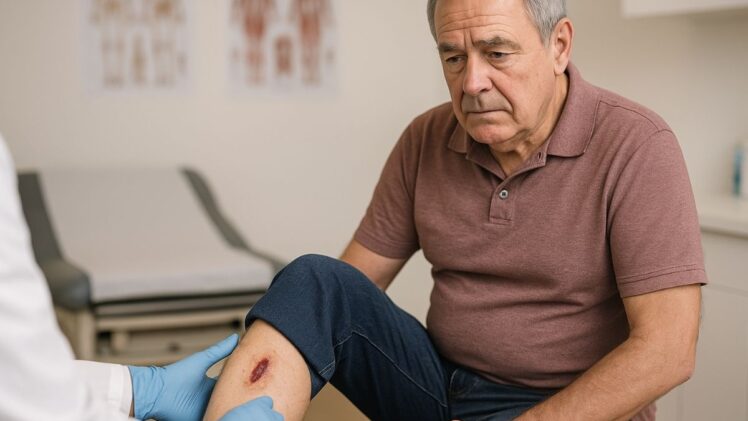
I’ve seen plenty of adults get frustrated when a scrape lingers past a month. I’m in my early 50s and have a very busy job that often results in bumps, bruises, and even cuts. What we find is that quick health care often aids how fast a nick heals later.
Most minor cuts close within a few weeks when they’re kept clean and covered. That’s the normal path for healthy skin. According to the American Academy of Dermatology, basic steps like gentle washing, petroleum jelly, and daily bandage changes help skin repair faster.
It’s also a fact that keeping a wound slightly moist prevents scabbing, which otherwise slows cell movement across the surface. And the AAD also notes you usually don’t need medications like antibacterial ointments if the area stays clean and protected. Which is good to know.
A shin scrape that’s still red and weepy after two weeks or a toe cut that smells off is a signal. Simply put, it’s not normal. The Mayo Clinic lists bad odor, pus, increasing pain, warmth, and spreading redness as infection red flags that warrant medical attention.
Spot infection fast
Bacteria move in once skin breaks. If an infection sets up shop, you’ll feel heat, swelling, persistent redness, pain, or cloudy drainage. Mayo Clinic mentions foul smell and red streaks as warning signs to stop “airing out” the wound and get care.
If your wound isn’t healing, it could be:
The quiet power of nutrition
Your healing skin needs fuel. Protein provides building blocks, while vitamins A and C support immune function and collagen. The Cleveland Clinic notes that focusing on lean protein plus produce like citrus and bell peppers can help with wound recovery. Consider upping these foods and monitor progress.
Could diabetes be stalling it?
Did you know that high blood sugar slows the body’s response to injury and raises infection risk? The American Diabetes Association emphasizes daily foot checks and prompt care for any cut because neuropathy can mute pain signals. Data from CDC guidance also highlights the value of regular foot exams to catch problems early. If your wound won’t heal, go to your doctor to see if you may have diabetes.
Maybe it’s your medication
Some drugs get in the way of timely repair. Wounds International notes that steroids can dampen the early inflammatory phase, and frequent NSAID use can impair certain healing processes; chemotherapy and radiation can also delay closure. Therefore, if you’re worried about a wound, take your full medication list to your clinician.
Consider boosting blood flow
New cells, oxygen, and nutrients reach a wound through your circulation. Peripheral artery disease and other vascular issues slow delivery. The American Heart Association’s PAD guidance underscores the importance of improving limb perfusion as part of care plans. Gentle movement, elevation when appropriate, and medical management help.
Skin under pressure
Bed sores, also called pressure injuries, develop when the same spot is pressed too long. One report mentioned that the Agency for Healthcare Research and Quality estimates more than 2.5 million people in the U.S. develop pressure ulcers each year, often in care settings. Repositioning on a schedule, supportive cushions, and clean, dry skin reduce risk.
Is alcohol part of the picture?
Heavy drinking weakens white blood cells and raises surgical site infection risk. Alcoholism: Clinical and Experimental Research found higher postoperative complications among people with heavy alcohol use, and Reuters reported longer hospital stays and more infections in heavy drinkers. Cutting back may help your immune system do its job.
Venous leg ulcers
When leg veins don’t move blood back to the heart efficiently, fluid pools near the ankles and shins. Skin gets fragile and small cuts can turn chronic. Johns Hopkins Medicine notes that compression therapy, elevation, and specialized wound care are core treatments, with vein procedures considered when needed. Watch for swelling and brownish skin changes around the ankles if you think this may be a problem you are suffering from.
What smart wound care looks like today
Good care starts simple. Gently wash with mild soap and water, keep the surface slightly moist with plain petroleum jelly, and cover with a clean bandage you change daily. AAD guidance says antibacterial ointments aren’t necessary if the wound is clean and protected, and that moisture helps skin knit together faster.
I keep a small first-aid kit at home and another at work. Nothing fancy. Sterile gauze, adhesive bandages, petroleum jelly, and tape. Easy to grab, easy to use in a rush.
Skip the harsh stuff
Hydrogen peroxide and iodine can irritate healthy tissue and slow healing. Mayo Clinic’s first-aid page says to rinse with water, cleanse around the wound, and avoid peroxide or iodine on open skin. The AAD also advises against hydrogen peroxide because it can damage skin and hinder repair.
When to get help, without overthinking it
A wound that isn’t smaller after about 2 weeks or hasn’t healed by 3 to 4 weeks deserves a check. The Wound Healing Society advises reevaluating therapy if an ulcer hasn’t reduced by roughly 40% after four weeks, which is a practical trigger to escalate care.
Get urgent care if you notice spreading redness, fever, severe pain, black or gray tissue, or thick, smelly drainage. Keep your tetanus protection up to date. According to CDC guidance, adults need a tetanus booster every 10 years, and for dirty or major wounds a booster is advised if it’s been 5 years since your last dose.
A quick recap you can use
- Keep it clean, moist, and covered. AAD says petroleum jelly and daily bandage changes work.
- Eat enough protein plus colorful produce to support collagen. Cleveland Clinic notes protein, vitamins A and C, and sometimes zinc.
- Manage blood sugar if you have diabetes, and check feet daily. ADA guidance stresses early detection.
- Review meds with your doctor if healing lags. Some drugs delay repair.
- Improve circulation with movement and medical care for PAD when needed. AHA guidance applies.
- Relieve pressure on hips, heels, and tailbone to prevent sores. AHRQ highlighted how common and serious these are.
- Limit alcohol to help immunity and reduce infection risk. Reuters reported higher complications with heavy drinking.
- See a clinician promptly for swelling, color changes, or ulcers near the ankles. Hopkins notes compression and elevation are mainstays.
I don’t like surprises with safety, and wounds are the same. If it’s not getting better, don’t just wait it out. Call, get seen, and let a pro guide next steps.
More About:Preventive Health