
6 Steps to Take When Your Baby Has a Fever

After I deliver a baby and the parents take their little bundle of joy home, they become used to taking care of their newborn and recognizing all their needs. But at some point, that little infant may spike a fever, which can be frightening, especially for young parents.
The first thing to do is always check with your pediatrician. When in doubt, take your child to the emergency room. Here are my top steps to take when your baby has a fever.
What Is the Definition of a Fever?
According to The Children’s Hospital of Orange County, fevers are a common symptom in kids and can occur when a child’s body is responding to an infection or as a result of an inflammatory process.
While in many cases, fevers in an infant may not be a major problem, it’s important to know the proper definition of a fever.
Most pediatricians consider a temperature of 100.4 degrees Fahrenheit to be a fever. If your baby’s fever is 100.4 degrees or higher, call your doctor.
For a mild to moderate fever, your pediatrician may ask you to try to lower the fever at home.
What Causes a Fever in Babies?
There are many ways your infant may develop a fever. Some of the most common causes include viral infections, including the common cold, the flu, roseola, or respiratory infections.
Other common causes include: Ear infections, pneumonia, meningitis, a vaccine, or urinary tract infections. There are some instances where babies get fevers from heat-related illnesses, although those are not as common.
Despite common beliefs, teething is not a reason that babies get fevers.
Here are some of the best steps to take when your baby has a fever:
1. Know How to Take a Temperature
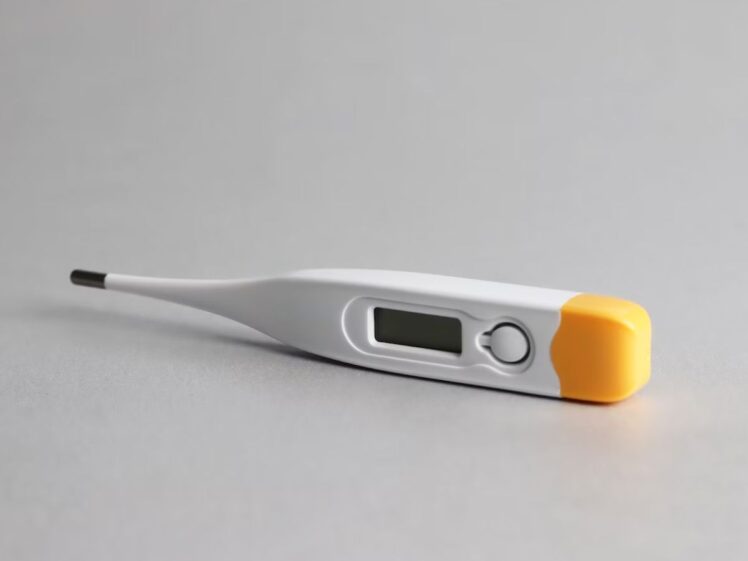
There are many devices out there that can take your child’s temperature properly. I remember when my mother used to use a mercury thermometer.
Today, with digital technology, you can find many digital thermometers at the pharmacy that are quite accurate. There are different parts of the body where a temperature can be taken, but remember, rectal is the most accurate. If you measure under the armpit or in the mouth, 99 degrees is considered a fever.
2. Keep Your Child Hydrated
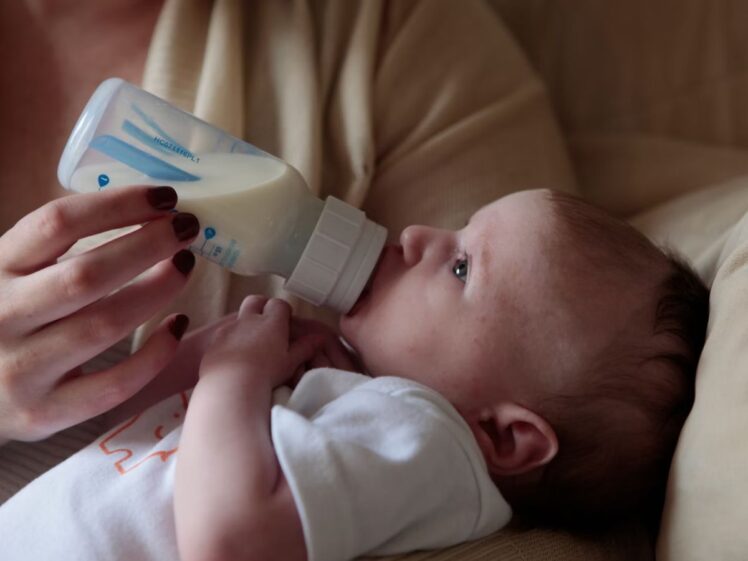
When your child has an elevated temperature, they can become dehydrated. In small children, dehydration can develop very quickly. There are many types of electrolyte solutions on the market that can be effective.
Breast milk or formula is another great way to hydrate your child. Always monitor the baby to make sure their diapers are wet, that they’re producing tears when crying, and that they have enough saliva.
3. Keep Your Child Comfortable
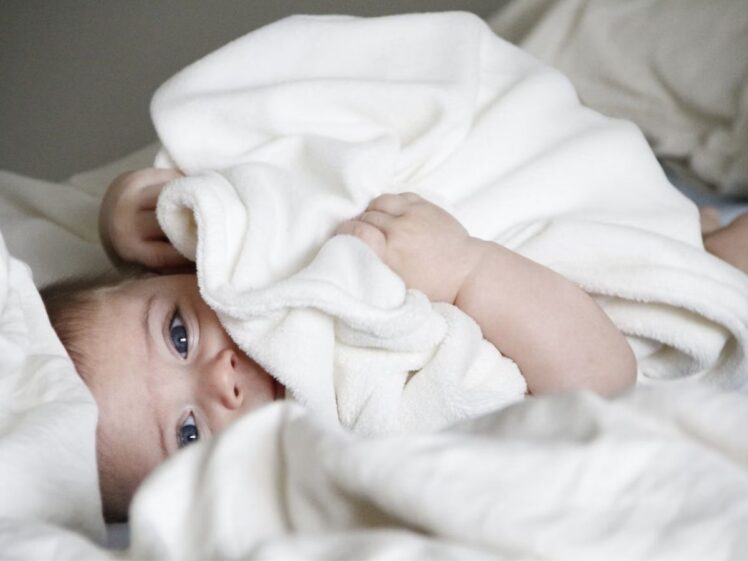
Making sure you do everything you can to keep your baby comfortable is very important. Do not overdress your baby with heavy clothing or blankets. Also, be sure to keep the temperature in the room at a normal level.
4. Give Your Child a Lukewarm Bath
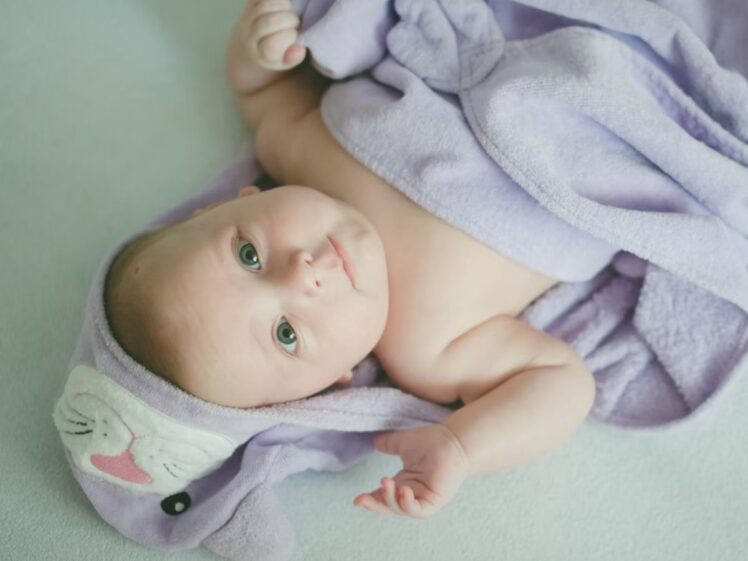
When we have a fever, taking a cold or cool shower is very relaxing. That works just as well for your babies. Try sponging your baby down with lukewarm water, not cold. The water should feel warm, but not hot, to the touch on your inner arm to ensure it’s perfect.
Avoid using cold water or alcohol wipes, and make sure to dry your baby off immediately to prevent shivering.
5. Let Your Baby Sleep

Sleeping is one of the best things that your baby can do when they have a fever. Giving them enough time to rest and sleep to fight off the infection. Offer them a calming atmosphere and short wake windows so their body can rest. And when they can’t sleep, ensure they have relaxing activities in calming environments, like cuddling on the couch.
6. Check With Your Doctor on Medications
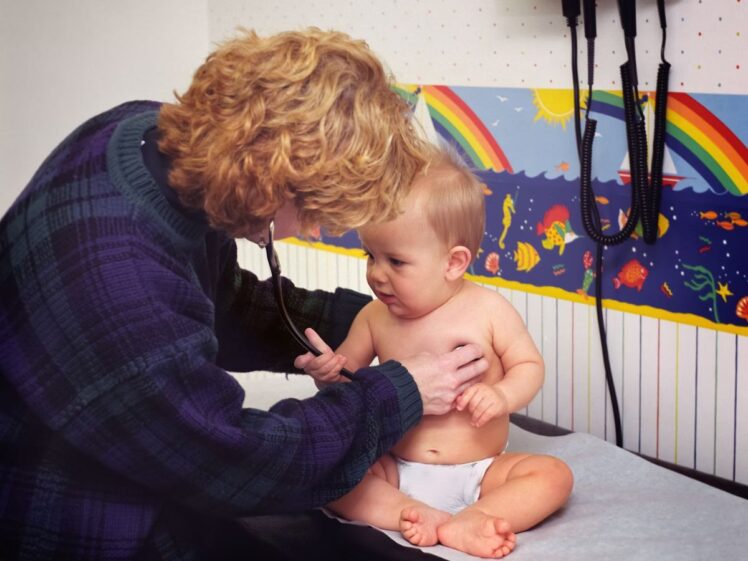
Before giving your infant any medications, always check with your doctor to make sure both the type and the dosage are acceptable. Acetaminophen or ibuprofen can help bring down an elevated temperature.
But remember aspirin in babies has been linked to Reye’s syndrome, an extremely rare but serious illness that can affect the brain and liver, making it all the more vital to check with your doctor.
More About:Childrens Health Dr Mannys Notes Parenting