
Will Season 2 of The Pitt Fix These Errors from Season 1?

The Pitt took fans by storm last year, earning not only a second season but several awards as well. The main factor of the show’s success was the aim to make every procedure as real as possible, almost as if it were a real emergency room. However, they did fall a little short in some aspects, found later by clinicians and other dedicated fans. Keep reading to learn more about the errors from season one, and whether season two will try to amend these mistakes.
Where are the Nurses?
One of the first examples of something that The Pitt missed out on is the nurses. For example, there is a scene where a resident gives a seizure patient Ativan. In a nursing subreddit channel, many claim this administration would always be a nurse’s role in a real emergency department.
“I feel like even though they’re better than most, they still aren’t portraying nurses accurately. For instance, during a seizure, the resident gave Ativan. That would have been a nurse. There’s some examples like that. Overall, it’s better than most medical dramas.”
— Imaginary-Storm4375 (Reddit)
Other instances call out a medical emergency, and who comes to the bedside. Often, shows portray multiple attendings and residents in the action, with only one nurse. The reality is much different.
“There’s always a sea of doctors in the ER doing things like pushing meds, and helping with patient care. 1 patient is in distress and suddenly 3-4 attendings show up with another 2-3 residents and some interns but only 1 nurse lol.”
— Komedewa (Reddit)
Other instances where doctors are taking a nurse’s place are pushing a gurney, fetching ice or food, or doing hands-on tasks normally completed by nurses, techs, aides, or transport staff.
While watching the show, we may not even realize it, but for those who spend time or work in hospitals, the scenes are not reality.
The Reality of Nurses in the ER
Looking at the show’s own subreddit, a healthcare worker says an ER like the one presented in The Pitt has many more nurses than doctors. It would come out to around three times as many RNs as physicians on the floor or at bedside. Instead of doctors, nurses usually push IV medications, start IVs, manage infusions, do splinting, arrange transports, and maintain bedside care.
Doctors normally take care of the bigger clinical decisions, like diagnoses, ordering tests, higher-level procedures, and setting the treatment plan.
This raises the question: Why doesn’t The Pitt show nurses doing real-life tasks? While they did mention in the first episode that there is a nursing shortage, it still doesn’t completely cover the fact of the missing bodies.
The truth is that shows should highlight nurses and all that they do within the ER. That’s partly why it’s so interesting to see The Pitt lauded for its accuracy, when it portrays a doctor as a “do-everything hero” instead of being supported by nurses and other staff.
The Shoulder Dystocia Delivery

While there’s no denying the accuracy of a lot of parts in the show, there is one scene that made a lot of labor-and-delivery and ER staff cringe. It’s the shoulder dystocia delivery scene in Episode 11. Some even commented that the scene was “so wrong it pulled me out of the show.” So what happened?
Shoulder Dystocia
Shoulder dystocia occurs after the baby’s head is born, but the shoulders do not follow. One of the shoulders gets stuck behind the parent’s pelvis, and the baby cannot deliver normally.
A true emergency, event moment matters. There is a risk of the baby losing oxygen and nerve injury to the arm. In the real world, the steps would be: call for help, get the most experienced OB and midwife in the room, and have a neonatal term ready for resuscitation.
What Happened in The Pitt
The team identifies the shoulder dystocia, but what happens next is where the real problems arise. The show leaned into an “ER doctor does everything” moment instead of a team effort.
Below are some of the biggest issues with the scene mentioned by nurses and clinicians:
- Everyone was “way too chill” after the condition was recognized.
- OB presence seems off-balance, with Dr. Robby ultimately the one managing delivery.
- The fetal monitoring scare comes too late and should have occurred during the stuck-baby emergency that was already underway.
- The fetal heart check is way too easy. In real life, getting clean tones is hard due to everyone moving and repositioning.
- Newborn resuscitation appears to be a one-doctor job in the show, but in reality, a neonatal or NICU team would quickly take over the situation.
What Would Actually Happen
In a real-life shoulder dystocia case, the response would look more like this:
- Call an obstetric emergency and grab labor-and-delivery staff.
- Keep the OB at the bedside, leading while the team follows steps.
- Assign roles to the team, including tracking time, steps, and repositioning the parent.
- Bring in neonatal or NICU staff early, so they are ready for the moment the baby is delivered.
After that, the OB continues to stay and handle the mother, while a neonatal team takes care of newborn support. The main reason this scene struck a nerve is the urgency needed during this procedure, which was not portrayed in the show.
Where are the RTs?
The nurses aren’t the only missing workers from The Pitt‘s staff. While the doctors take all the spotlight, it turns key roles in an ER into something nearly invisible. Below are three groups that fans have found lacking in the show:
Respiratory Therapists
The biggest role that fans mention being missing is the RTs.
During a People interview, an ER nurse practitioner claimed the show felt accurate in many ways, but was shocked that respiratory therapy was practically non-existent. They are extremely important for intubations, traumas, cardiac arrests, and more.
On Reddit, the complaints get pretty blunt. One even mentioned laughing when a doctor rattled off vent settings to a nurse, which is clearly an RT’s job. Another claimed that the BiPAP machine is often set up by an RT team.
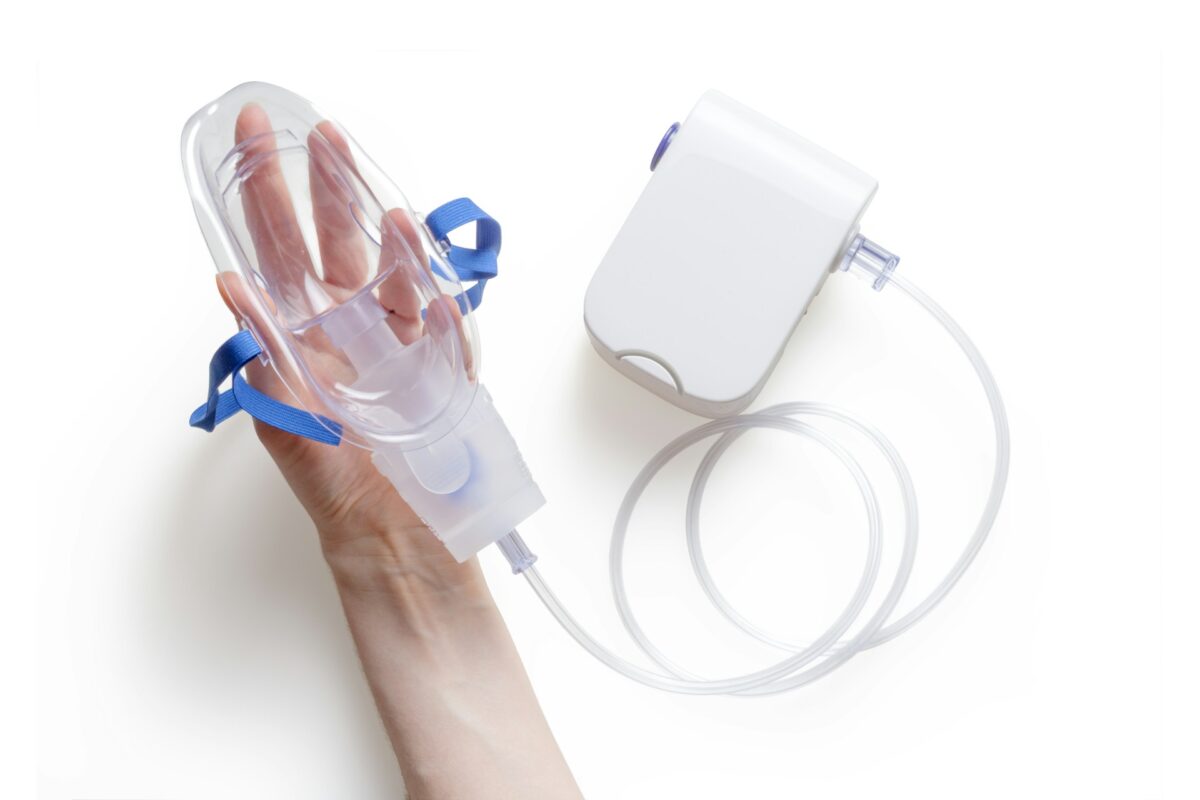
Respiratory therapists manage breathing support (ventlators, BiPAP, CPAP), help during codes and respiratory arrest, troubleshoot airway problems, oxygen delivery, and make changes when the patient’s breathing crashes. By removing these workers, The Pitt removes a huge part of how the ER works.
Nurse Managers, Social Workers, Case Managers
Another gap lies in who runs the nursing side of the ER.
For instance, if a charge nurse, like Dana, gets hurt, an ED nurse manager would decide who takes over, not a physician.
Other support roles in the department missing in the show include:
- Nurse managers and educators
- Case managers
- Registration staff
- Chaplains
A post revealed several of these shortcomings, saying the work often gets handled by doctors as a common TV shortcut.
When these types of jobs fade out of view, the ER turns into a place where everything is solved by one doctor’s speech, instead of a lot of people and communication.
PA Gap and Other Missing Roles
A lot of threads also ask about PAs and NPs. In a physician assistant subreddit, one post claims they are sad about PAs and NPs being overlooked in the staff structure once again. Another subreddit made a similar comment, hoping to see the two positions, but did not.
In an ER, PAs and NPs help out with:
- Running fast-track or lower-acuity rooms.
- Seeing patients semi-independently with attending backup if needed.
- Keeping the flow moving with a packed waiting room.
Viewers also mentioned missing workers who matter a lot in the real world. With no RTs, no phlebotomy, and missing basic hospital systems, The Pitt‘s ER falls to the doctors, and no one else.
These omissions matter because they portray a false image of what the ER does, and which people do what in emergencies. It can also hurt those who work in those “lesser” positions, as their jobs rarely ever get the screentime they deserve.
The Administrator in Trauma Bay

While there are some ER positions not present in The Pitt, there is another position that seems to be a little too far in the spotlight. Gloria Underwood, the hospital’s chief medical officer, appears several times on the ER floor during emergencies. While fans are not saying the admin pressure is fake, it’s how the pressure is portrayed in The Pitt that feels wrong.
Gloria in The Pitt
Gloria is written into the show as the face of every system problem, walking in when the team is maxed out and delivering extra pressure. Viewers and clinicians have found a theme in her actions:
- Shows up during active traumas or codes.
- Confronts Dr. Robby in front of patients and staff.
- Pushing priorities like patient satisfaction in the middle of care.
An interview on Vulture with an ER doctor puts the whole situation into perspective. Dr. Lukas Ramcharran comments that administrators visit the ED “very, very few” times per day. One coming down during a shift to engage “isn’t realistic” and would turn into “an incredible disruption for patient care.”
Hospital Leaders’ Jobs
Hospital leaders often shape the ER without going down to the trauma bay, including working on:
- Budgets and resources
- Staffing planning
- Quality and safety metrics
- Policy, compliance, and meetings
A Reddit thread even caught onto the administrator’s presence in a preview clip, saying they have “never” seen anything like an admin bursting in during a critical patient. The information would be delivered through emails and meetings instead. There are no sudden drop-ins during critical moments.
Why the Trauma Bay is the Wrong Place
Even if the hospital is tense, there are some rules to follow in the trauma room, including no distractions, one leader running the room, and privacy for sensitive topics.
Having those arguments about scores or bed numbers is not just awkward, but can fracture focus during the worst time. That’s why the administrator’s presence in the room is so disruptive, pulling some fans out of the action.
Unfortunately, the true problem lies in trying to portray system problems, as they are often invisible. So, The Pitt decided to fix this problem with a person who acts like the system. While confrontation can happen, it’s not the normal channel for leadership decisions.
A Better Solution
If The Pitt wanted to create a more realistic storyline through administration, it might look something like:
- Putting arguments in bed meetings, not trauma rooms.
- Having doctors discuss emails and dashboards between themselves.
- Saving confrontations for debriefs after a crisis.
The Pitt does a lot of things right when it comes to portraying the medical world. However, it is important to note these shortcomings, as they may skew viewers’ ideas about how a real emergency room works. Hopefully, the show will take viewers’ comments into account when the second season premieres.
More About:Health