
One Shift, a Lifetime of Trauma – Timeline Compression in “The Pitt”

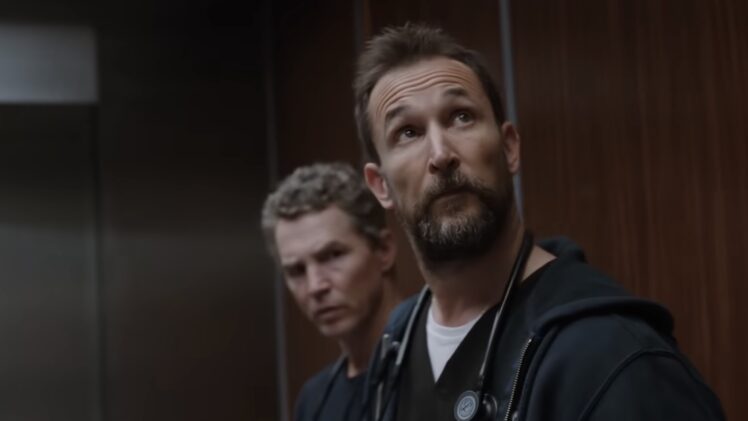
The Pitt is one of the most talked-about shows from last year, and it’s going to be again this year when the newest season premieres on January 8th. Its premise is perfect, as each episode focuses on one hour of a very long shift, which is the entire season. It almost feels like you’re in the action with all the doctors and patients, trying to navigate chaos.
The structure of the series is one of the main reasons why the show is so intense and watchable. It keeps you stuck in the constant noise, crowds, and pressure that healthcare workers must deal with normally.
Many ER doctors and nurses have applauded the show for its emotional tone and some of the medical terms. But, there is one big thing that seems to be halting their cheers: the unreal amount of extreme medical crises in a single day.
So what’s real? How much is The Pitt cramming into each episode by compressing time, and how does that impact the show’s realism? Keep reading to learn more.
A Career’s Worth of Crises in One Day
A Reddit thread titled, “How realistic is this shift?” delves deeper into the question. Fans and clinicians chime in and tally what the staff deals with in one stretch.
The list becomes grand quite quickly, with high-end trauma events and “last resort” procedures stacked on top of each other, including:
- Thoracotomy
- Surgical cricothyrotomy
- Escharotomy
- A mass casualty incident
- Multiple codes and resuscitations
- Complex OB emergencies
The craziest part? That’s on top of the everyday ER work featured in the series.
One clinician addressed the list rather bluntly. While chest tubes, intubations, and CPR are common, the other high-level disasters are not. The clinician claimed that thoracotomies, surgical crics, escharotomies, and mass casualties are “career-defining” events, and “they’ve done them all in a single day.”
Another commenter seconded that opinion differently. While the procedures are mostly realistic, the acuity isn’t. Most real cases are rather “mundane,” and a true emergency surgical airway may occur “once every few years at most.”
This brings in the idea of “timeline compression,” and how it can affect a show. Essentially, The Pitt took what might be a year’s (or whole career’s) worth of events and stacked them on top of each other like a nonstop playlist.
What Real Shifts Look Like
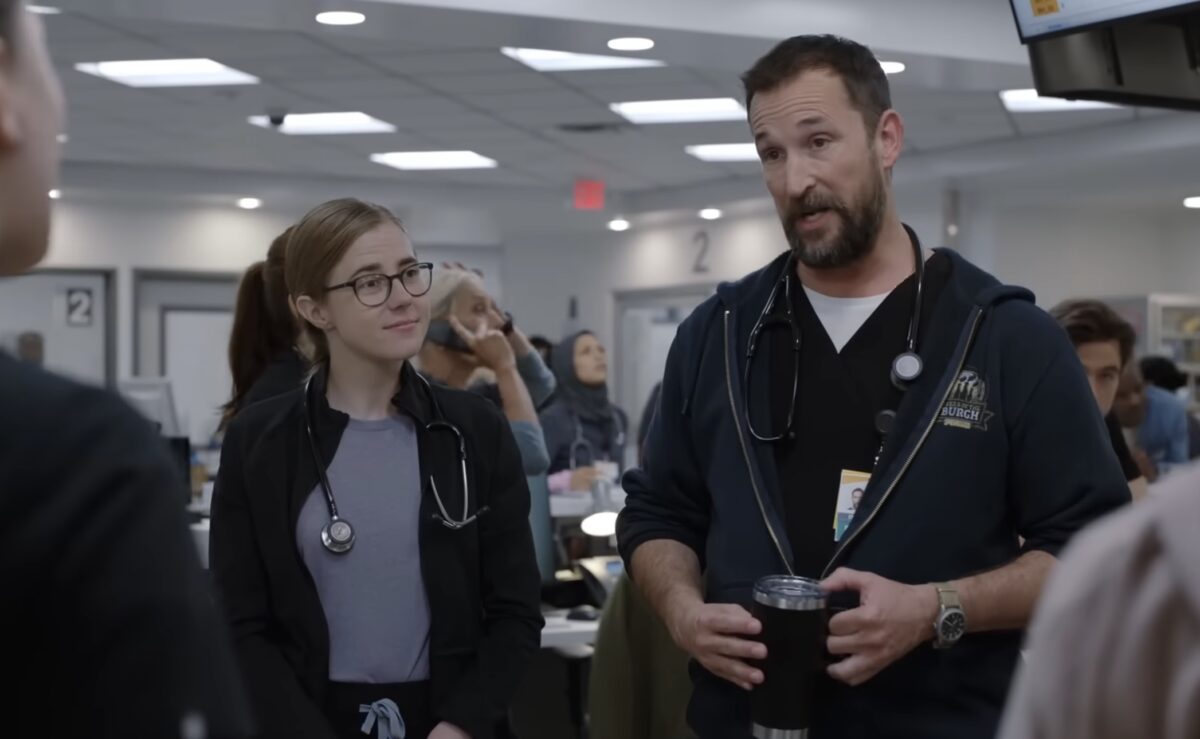
Reality in an ER shift is much different. The usual mix tends to look a lot like:
- Abdominal pain
- Chest pain
- Elderly patients who feel weak or dizzy
- Substance use and overdoses
- Mental health crises
- Minor injuries, plus the occasional big trauma
A third commenter put it perfectly: the individual cases are believable, but most real cases are the boring ones you see all day long.
Another thing to note when considering ER shifts is the variability. While some shifts may be wall-to-wall chaos, others are strangely quiet.
Popular entertainment website Vulture interviewed a real ER doctor to see his take on The Pitt. While he did concede that he’s had shifts as busy as the show depicts, other times they aren’t nearly as busy. He also points out that “you have to pack a lot into the shift to make good TV,” and if The Pitt‘s business were a reality, burnout would be hard to overcome.
That’s the reality of The Pitt versus actual emergency rooms. It takes some of the most dramatic moments of emergency medicine and layers one upon another, with very little downtime in between.
Compressed Growth and Fast Decisions
The compression doesn’t just apply to the medical procedures. It’s the emotions and characters, too.
Since the series is based on one continuous stretch, trainees are getting slammed with “first-time” moments. They get slapped with ethical conflicts, grief, anger, and high-stakes decisions at a rate that would normally take months of training and occur over many shifts.
The Pitt takes all these emotions and events and places them into a long pressure cooker, as the camera never really leaves.
Some clinicians also noticed timing issues with specific medical calls due to the compressed nature of the show.
One instance is brain death and overdose care. In one Reddit discussion about the show, commenters say the general principles are there, but timing falls short. One commenter said that brain death is “rarely declared so early,” and to do so, you need to rule out confounders like toxicology issues.
In another thread, a commenter notes that if a person has drugs in their system, brain death testing is held off for about 24 hours to ensure the drugs are not suppressing neurologic responses.
This is where the show falls short, as they wouldn’t have been able to declare brain death until after the show and shift were over. The compression is there to ensure the show keeps moving, and results in processes that normally take longer being pressed into the hour-by-hour format.
Why the Compression Matters
It’s important to note that dramatization is a huge part of successful TV, and every show does it to get more views. Plus, a lot of clinicians say The Pitt gets closer to reality than most other medical dramas.
They love the feeling of overload, the crowding, system pressure, and all the other small details that are exactly like their day jobs, such as staff not getting time to use the bathroom.
However, compression can still impact how viewers think a real-life ER works.
If you only ever see the most extreme cases, which truly amount to 5 percent of all cases, it may seem like that’s the norm in every ER you walk into. It can also make viewers think medical decisions are cleaner and faster than the reality of diagnosing a sick patient.
In real life, there is a lot of waiting, uncertainty, and the slow grind. When you take out all of those parts, the emergency room goes from a realistic place to one where every hour introduces a once-in-a-career crisis with a near-instant answer.
Another thing to consider is how the compression and medical dramas skew how people view their own emergency care visits. If it does affect the viewer, does it change how they act when not being rushed around by doctors the whole visit?
More About:Health