
Feeling Tired Even After Sleeping? What to Track Before Seeing a Doctor


A reader wrote in asking why they still feel tired after sleeping. They wanted to know if that’s normal, or if it’s something that needs a doctor.
The Cleveland Clinic states that sleep quality matters just as much as sleep length. Someone can spend seven to nine hours in bed and still wake up tired if their sleep is broken, too light, or affected by a sleep disorder, stress, food, alcohol, caffeine, or another health issue.
Is it common to feel tired after sleeping?
I’ve noticed this is one of those symptoms people often wave off. Maybe because everyone feels tired frequently in this era. Whether it be work, family, bills, the news cycle, and whatever strange celebrity story is blowing up their cell phone that day. It all adds up.
Still, waking up tired once in a while is different from waking up drained most mornings.
The Cleveland Clinic reported that feeling foggy and tired during the day can be a sign of a sleep disorder like sleep apnea. With sleep apnea, breathing problems can cause repeated awakenings that a person may not even remember, but those interruptions can keep the body from reaching deep, restorative sleep.
The truth about “enough sleep”
A full night in bed doesn’t always mean the body got what it needed.
The Mount Carmel Health System states that time asleep doesn’t always equal restorative sleep. Snoring, restless movement, sleep apnea, and small awakenings can break up deeper sleep stages, leaving a person heavy, foggy, or unrefreshed the next morning.
Henry Ford Health also points to sleep inertia, which is the groggy period between waking up and feeling fully alert. That can last 15 minutes to an hour, and in some cases longer. So, a slow start is not always a red flag but frequent all-day fatigue is a definite symptom for some underlying problem.
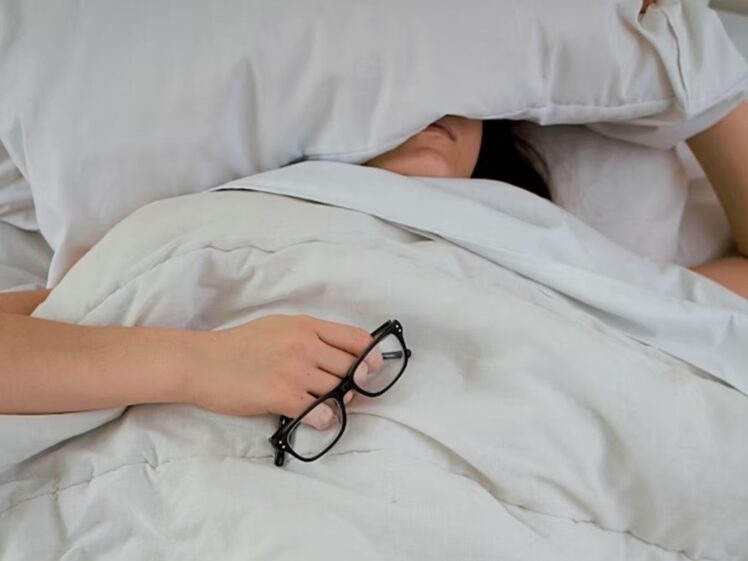
What can cause this symptom?
The causes are numerous. For example, low thyroid levels, low iron, stress, alcohol, caffeine, blood sugar changes, dehydration, and sleep disorders can all play a role.
According to Mount Carmel Health System, ongoing fatigue after enough sleep may be linked to chronic stress, low thyroid levels, iron deficiency, blood sugar swings, dehydration, or poor sleep quality.
None of that means the person suffering should self-diagnose. It means the pattern is worth tracking before a doctor visit.
Henry Ford Health found that thyroid changes can affect sleep and energy. An underactive thyroid may leave someone tired often, while an overactive thyroid may make it harder to fall asleep. The same source also states that iron deficiency can contribute to fatigue.
A drink at dinner can also make a difference. Henry Ford Health states that alcohol may make it easier to fall asleep, but digestion of alcohol can fragment sleep or reduce sleep quality through the night. So yes, even a quiet glass of wine can leave someone feeling rough in the morning.
Symptoms worth writing down
We recommend tracking the basics first. Everything from your bedtime, to wake time. How often you wake up, whether you snored, and whether anyone noticed gasping or pauses in breathing. If you don’t have a partner to help you track this, consider using sleep tracking tools.
Each day, write down how you feel in the morning and later in the day. Do you experience brain fog, headaches, dry mouth, dizziness, low mood, afternoon crashes, shortness of breath, heart palpitations, trouble focusing, or restless legs?
Every detail matters when it comes to understanding the cause of tiredness.
The Cleveland Clinic also adds that large meals close to bedtime can affect sleep quality, and caffeine may still interfere with deep sleep even if someone falls asleep without trouble.
Michigan Medicine’s research news page also mentioned that prescription drugs, sleep aids, and over-the-counter remedies like melatonin can have “hangover” effects that may leave someone tired after waking.

When to see a doctor
Bring it up with a doctor if the tired feeling lasts for multiple weeks, affects daily life, or keeps happening even after trying alternative sleep habits.
As Cleveland Clinic put it, if lifestyle changes don’t help and a person keeps waking up tired, a healthcare provider may look into sleep apnea, thyroid issues, hormone imbalances, bloodwork, or a sleep study.
It’s easy to blame age, stress, or being busy. I get that. But if sleep no longer feels like sleep, don’t just push through it. Track the pattern and take that information to a doctor.
More About:Reader Questions