
The Surprising Dementia Risk You Can Start Reducing Today

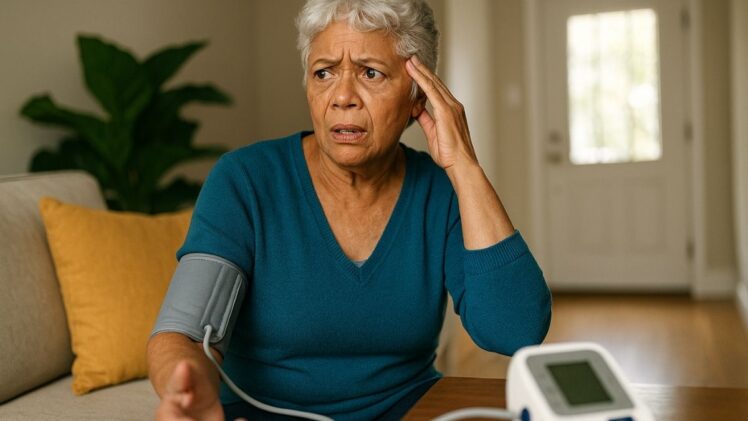
I used to think dementia was mostly about family history. Then I read how much our everyday numbers, like blood pressure, can tilt the odds. It surprised me, and I don’t get shocked easily.
The truth is, high blood pressure has been linked to a higher risk of dementia, especially a type called vascular dementia. It’s a clear link and potentially a preventable threat that’s hiding in plain sight for many of us.
NPR reported that Dr. Walter Koroshetz, head of the National Institute of Neurological Disorders and Stroke, keeps his own blood pressure in check and urges others to do the same because hypertension is tied to later cognitive decline. That simple habit matters more than most people realize.
Here’s one concrete example. Data from Stroke shows that in records from more than 4 million adults without dementia at the start, people ages 30 to 50 with high blood pressure faced a 62 percent higher risk of vascular dementia later on, while older adults still showed a meaningful increase. Big numbers, real lives.
Take charge and check your blood pressure
According to NPR, many adults with hypertension aren’t treated or controlled, which leaves the brain exposed to long, slow damage, and Dr. Koroshetz has backed a public campaign called Mind Your Risks to push routine screening and treatment. Easy first step.
Cardiovascular Research found subtle brain changes on MRI in people with hypertension even when standard scans looked normal, signaling white matter alterations that can appear before symptoms. A Science Daily report mentioned that many dementia cases include blood vessel problems, not just plaques or genes.
The more I’ve looked into how blood pressure impacts blood cells travelling to your brain, the more I compare it to managing a company’s inventory. When an inventory even has the smallest of leaks, they can add up fast. If you don’t track them and solve the problem, the whole company suffers over time. Blood vessels work the same way, only what suffers here is your health.
What is vascular dementia?
The Alzheimer’s Association notes that vascular dementia happens when the brain doesn’t get enough blood flow, starving and eventually killing brain cells, with stroke as a major trigger and long-term high blood pressure wearing down those delicate vessels. That’s why managing hypertension sits at the center of prevention.
As NPR put it, Koroshetz models the message he shares, keeping his own numbers in range and urging simple habits most primary care doctors already recommend. Not fancy, not expensive. Just consistent.
Everyday steps that help
From all the research read to create this article, doing what you can to protect your blood vessels potentially protects your brain. So each and every day consider the following:
- Having a balanced diet with plenty of fruit and vegetables.
- Carry out routine activities that keep your body moving.
- Try to maintain a healthy weight, or if you are over weight, target a healthy weight.
- Skipping smoking and moderating alcohol.
- If prescribed blood pressure medications, take them as directed.
- If invited for follow-ups, go to them, don’t skip.
- Get yourself a home blood pressure monitor and measure.
I’m a huge fan of creating practical routines that are easy to follow with little-to-no effort. For example, simple recipes that are quick to make, that don’t rely on processed foods, and incorporate veggies.
Another quick and easy routine to follow is checking your blood pressure at home. It just takes a few readings each week, logging it somewhere, and the next time you go to an appointment, you have a genuine history to give to the doctor. No guess work.
Here’s the thing, small swaps can lower your risk within months. Here are some quick changes I made after digging into this research:
- After dinner, I take a walk for 20 minutes.
- I limit the amount of salt I add while cooking.
- I no longer have sugary drinks, I opt for herbal teas or coffee.
- If I know I need to be up early, I make sure I’m in bed at a time where at least 7 hours of sleep is possible.
- I’ve learned a 5 minute breathing exercise that helps me control my blood pressure.
When I log high blood pressure numbers, I know that I need to fall back on breathing exercises, and repeat the test after truly relaxing.
Why this matters now
I’ve come to think of my blood pressure cuff as a friendly alarm. It tells me the truth whether I’m ready or not. I’ve learned to listen to it as I’m desperate to do what I can to protect my future self.
NPR reported that about half of adults with hypertension aren’t adequately treated, leaving millions at higher risk for strokes, heart disease, and the kind of brain changes that make names, bills, and directions harder to manage. It’s preventable for many people and worth your time.
If you’re over 50, talk with your clinician about your goal range and how often to check at home. Bring a written list of your readings, your meds, and your questions. You’re the captain here, and the plan is straightforward.
More About:Preventive Health