
How to Tell If Your Cut Is More Dangerous Than It Looks

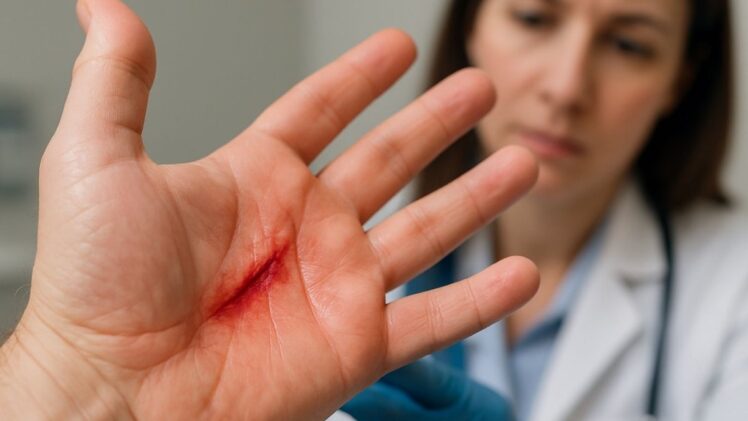
I’ve cleaned enough scraped knees to know tiny cuts can surprise you. Most heal fine, yet a few behave wrong. Most don’t turn deadly and may need a few extra medical supplies or even a doctor visit. However, as a parent it’s best to know what health symptoms to look out for, especially when the clock matters most.
The reality is necrotizing fasciitis is rare, but it’s fast and life-threatening. It can start with a small cut, then move quickly under the skin and overwhelm a person in hours. According to the CDC, early care is everything.
According to updated CDC guidance in 2025, early symptoms can include severe pain, fever, and skin that reddens or warms and spreads quickly, with later signs like color changes, blisters, or black spots. People need hospital care, IV antibiotics, and often surgery, and even then, shockingly up to 1 in 5 patients die.
For example, in Oregon, an eight-year-old Liam Flanagan fell off his bike, got stitches, then worsened over several days and died on January 21, 2018. The Associated Press reported that doctors fought a spreading infection that had already moved through his tissue. It’s a heartbreaking case that shows why knowing the signs, and acting fast matters.
The quiet infection beneath the skin
The Cleveland Clinic notes that necrotizing fasciitis damages the fascia, the tissue layer under the skin, and that treatment pairs broad-spectrum antibiotics with urgent surgery to remove dead tissue.
StatPearls found mortality ranges widely by organism, patient health, and how fast treatment starts, which is why recognizing those first hours is so critical.
Bacteria such as group A strep are common culprits. The CDC states that other germs, including Vibrio vulnificus from warm salt or brackish water, can also trigger necrotizing fasciitis. Exposure happens through breaks in the skin, and sometimes even blunt force trauma can cause it too.
I read that Florida saw multiple deaths linked to Vibrio in coastal waters this summer, a reminder to keep open wounds out of warm seawater and to handle raw seafood carefully. As the Washington Post put it, the bacteria thrive in warm brackish water, especially from May to October.
Spotting the danger early
If you have a cut, scrape, insect bite, or surgery, and encounter these issues, seek medical advice immediately:
- Severe, worsening pain, sometimes beyond the red area
- Red, warm, or swollen skin that spreads quickly
- Fever or chills, feeling very unwell
- Nausea, diarrhea, dizziness, or unusual fatigue
According to the CDC and MedlinePlus, these symptoms can show up within hours, not days. So always trust your gut instincts if something doesn’t seem right.
Between days 1 to 3, the following more alarming signs can appear:
- Skin color changes to purple, gray, or black
- Blisters, ulcers, or oozing
- Marked swelling and tenderness
- Confusion or light-headedness
Again, seek immediate medical help when encountering these symptoms.
Additionally, Hopkins Medicine highlights one classic clue and that is pain that feels worse than the wound looks. If that mismatch shows up, get professional medical help immediately.
Fast action, better odds
Data from CDC shows that immediate evaluation, IV antibiotics, and early surgical removal of dead tissue gives people the best chance of survival. As antibiotics can’t penetrate tissue that has already lost blood supply, teams often operate more than once.
For older adults and anyone with diabetes, liver disease, cancer, kidney disease, or other conditions that weaken immunity, risk runs higher. That means paying closer attention to small injuries and to how you feel in the first 24 hours.
Simple steps that may help at home
The Mayo Clinic reported that first signs can look like a routine skin infection. A good way to try and prevent that potential first sign is to practice good wound care from the moment you notice the wound. Clean with soap and running water, remove visible dirt, then cover with a clean, dry bandage and change it regularly. If any of the symptoms mentioned above occur, seek care.
According to the CDC healthy-swimming guidance, if you have an open wound, skip pools and hot tubs. If you must go in, cover the wound completely with a waterproof bandage, shower after, and as mentioned above, carry out proper wound care. Don’t simply risk it. It’s not worth it.
In more advice from the CDC, this time on vibrio prevention, if you have a wound, especially a deep open wound, keep it out of salt and brackish water. Cover any wound that might touch coastal water or raw seafood juices, and always cook shellfish well. The latter few recommendations seem bizarre, but as it’s coming from the CDC, it could genuinely help protect you.
When to seek help
Go to urgent care or an emergency department immediately if you have intense pain that’s getting worse, skin that’s spreading red or purple within hours, fever with a tender wound, or new blisters or black spots. Say you’re worried about necrotizing fasciitis. According to CDC, early treatment saves lives and it’s always better to be safe than sorry.
More About:Preventive Health