
A Rash That Keeps Coming Back? What It Could Mean


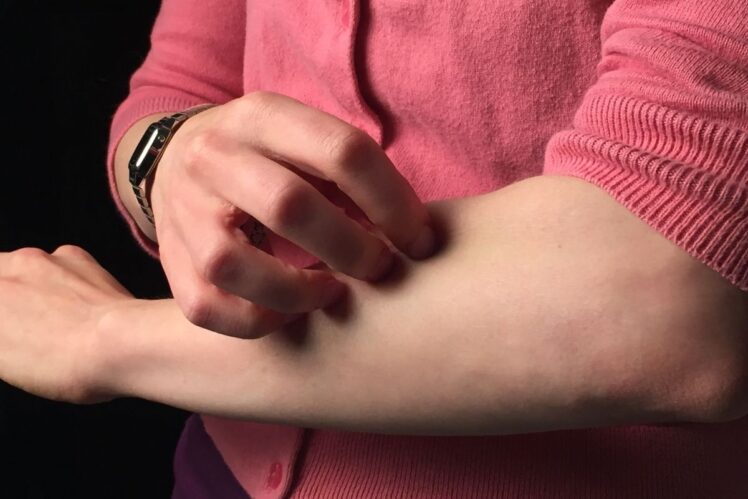
A reader wrote in and asked about a rash that keeps returning on their arms, chest, and back. They describe it as red and blotchy, while the skin appears slightly rough when viewed up close. They want to know what it could be and whether they’re reacting to something.
According to the Cleveland Clinic, rashes can appear red, dry, bumpy, blotchy, swollen, scaly, itchy, or painful. They may be caused by allergens, irritants, viruses, bacteria, or ongoing skin conditions. Because so many problems can produce similar symptoms, a rash usually can’t be diagnosed from its appearance alone.
As someone who has tried to compare rashes with pictures online, I understand the temptation to look for similarities. Ringworm is one of the few conditions that may be easier to recognize, although it’s the distinctive shape you’re comparing rather than the rash itself.
The problem with comparing pictures online is that they may point someone in the wrong direction. Factors that aren’t visible in an image can make a big difference. The location, timing, and other symptoms all help a doctor work out what’s happening.
What kinds of rashes exist?
When it comes to rashes, there are many different types, including contact dermatitis. This develops when the skin reacts to an allergen or irritating substance, such as detergent, soap, fragrance, household cleaner, nickel jewelry, or poison ivy. The reaction can cause red, rough, itchy, swollen, or blistered skin.
Other possibilities include eczema, hives, psoriasis, fungal infections, bacterial infections, and viral rashes. Eczema often causes dry or irritated patches, while hives usually appear as raised, itchy welts. Psoriasis can produce thicker areas of scaly skin and may return throughout a person’s life.
Some rashes disappear quickly. Others keep returning because the trigger remains present or the person has a chronic skin condition.
The most common possibilities

Allergic and irritant contact dermatitis are common reasons for a rash to appear. A recently changed laundry detergent, body wash, lotion, medication, or item of clothing could be relevant.
The Cleveland Clinic states that eczema and psoriasis can cause recurring outbreaks that require ongoing care. Hives may also come and go after exposure to an allergen, insect sting, or infection.
Still, the reader shouldn’t automatically treat their rash as if it was an allergy. A doctor may need to examine its borders, pattern, color, and texture before deciding whether testing is necessary.
UCLA Health reported that a rash should be evaluated when it spreads quickly, covers much of the body, becomes painful, blisters without a clear cause, gets worse, or fails to heal. Signs of infection include warmth, swelling, tenderness, crusting, and red streaks.
We recommend taking notes about when the rash starts, how long it lasts, and whether it itches, burns, hurts, or feels warm. Record what you did before the rash reappeared, along with any new medications, supplements, foods, soaps, detergents, lotions, pets, travel, outdoor activities, or insect bites.
We also recommend taking pictures of the rash and keeping them with your notes. This will give your doctor a clearer picture of what happened, especially if the rash is no longer visible by the time of your appointment.
When to see a doctor
In situations like this, where a rash keeps returning and affects several parts of the body, the reader should arrange an appointment with a primary care doctor or dermatologist.
Diagnosing a rash may involve a physical examination, a review of their medical history, allergy testing, or blood tests. Until then, it may help to avoid recently introduced scented products and harsh cleansers. A recurring rash is often treatable, but identifying the cause is the first step, and seeing a doctor or dermatologist is essential.
More About:Reader Questions