
Mold, Mycotoxins, and Musty Smells: What’s Real, What’s Overblown

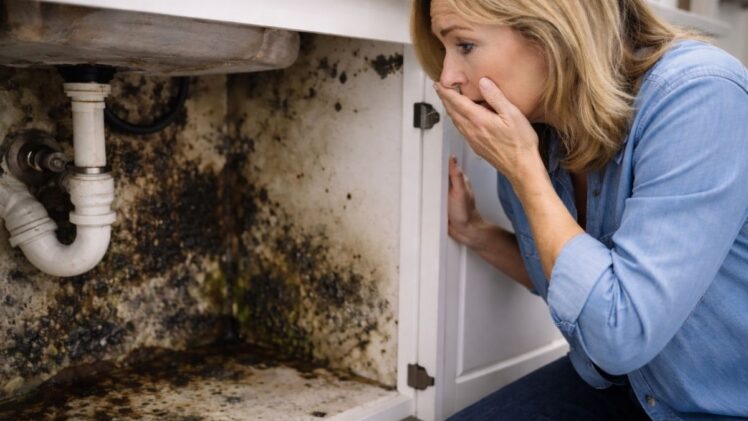
I’ve noticed the “mold conversation” has changed in the last few years. People don’t just talk about bathroom spots anymore, they talk about brain fog, fatigue, and something called “toxic mold syndrome.” Sometimes I’m honestly surprised by how fast one social media clip can become a diagnosis.
Le’ts get to some facts fast:
- Mold can start growing within 24 to 48 hours after water damage, especially when drywall, carpet pad, or insulation stays damp.
- According to the CDC, damp and moldy indoor spaces can cause health effects for some people, including a stuffy nose, sore throat, coughing, or skin and eye irritation, and other people may feel nothing at all.
For example, last winter, I had a slow leak under a sink, and that was enough of a drip to start making the cabinet beneath smell like a wet paper bag.
Once moisture sits, mold follows, even in places that look clean.
The online perspective
The issue is that when it comes to health topics online, comments on “toxic mold syndrome” often get used like it’s one single disease with one clear test.
AAAAI reported that links between indoor mold and lots of symptoms are hard to interpret because many studies rely on self-reported symptoms and shaky, unvalidated ways of measuring mycotoxin exposure.
For instance, mycotoxins are real toxins made by some molds, but the strongest, clearest evidence for mycotoxin harm is tied to contaminated food, not a stained shower corner.
On the flip side, the mold in contaminated food can cause serious poisoning. The World Health Organization states that large doses of aflatoxins can lead to liver damage, and it also says there’s evidence aflatoxins can cause liver cancer in humans.
This is especially important for anyone who has chronic hepatitis B. This is because the risk from aflatoxin exposure is much higher in people who have that illness. So, if in doubt, seek medical guidance.
The mold allergy connection
Here’s the catch, mold allergies do exist. The OSHA reported that many indoor mold concerns come down to allergens, with hay fever-type symptoms like runny nose and red eyes showing up in people who are sensitive.
Symptoms that fit a mold allergy often look like this:
- Sneezing, runny or stuffy nose
- Itchy eyes, nose, or throat
- Watery eyes
- Postnasal drip or cough
- Skin irritation in some people
Asthma can also get pulled into the mix too, and it can feel scary when breathing gets tight.
Data from NIOSH shows dampness and mold exposure in buildings has been linked with respiratory symptoms and the development or worsening of asthma, plus issues like bronchitis and rhinosinusitis.
However, infection rarely enters the picture, and this is where age and health status matter. The CDC reports that people with weakened immune systems can develop invasive mold infections that affect deep tissues or organs, most often after breathing in spores.
The main mold that gets headlines is stachybotrys chartarum, the so-called “black mold.” Yet it’s important to know that mold color is not a reliable shortcut for danger. AAAAI’s public guidance pushes back on the idea that you can look at a patch of mold and know it’s producing toxins that explain a long list of symptoms.
Musty odor, new water stains, warping, bubbling paint, or recurring condensation are often better clues than the mold you can see. The EPA states that controlling indoor humidity and fixing moisture problems is the core strategy, because mold follows water.
Stopping the moisture loop
Moisture is mold’s best friend. According to the EPA, indoor humidity should be kept below 60%, ideally 30% to 50%, and venting moisture-generating appliances helps keep dampness from building up.
Practical habits that can help include:
- Fixing leaks fast, even “small” ones
- Run bathroom and kitchen exhaust fans
- Use a dehumidifier in damp basements
- Clean gutters so water drains away from the home
- Insulate cold pipes to reduce sweating and drips
How to cleanup, test, and when to call in help
The main thing to look at when it comes to cleanup is the size of the problem. If the area is small, CDC guidance says bleach or dish detergent can be used. It also warns users to avoid mixing bleach with ammonia, and how to correctly dilute bleach with water, so it’s worth checking out.
When it comes to the scale of the problem, the EPA’s mold guidance says that if the area is less than 10 square feet, most people can handle cleanup themselves. However, you should wear a protective mask and gloves to err on the side of caution. Areas bigger than this often require experienced professionals.
When it comes to testing mold, be cautious, as “mycotoxin testing” marketed for chronic mold illness is questionable. These tests can lack standardization and don’t have clear thresholds for harm. This is reported by the AAAAI about non-FDA approved mycotoxin tests. ACMT’s 2025 position statement also says mycotoxin biomonitoring is not an accepted way to assess human exposure.
Additionally, and more importantly, when it comes to cleanup and testing, food is it’s own so don’t mix it up with other mold issues. A recent story in The Washington Post reported that in October 2025, mold toxins in spoiled foods can be dangerous and cooking may not remove toxins. This is a good reminder that the pantry and the bathroom are two different conversations when it comes to your understanding of mold.
The reality is that mold isn’t something to panic over, but it’s also not something to ignore when your home is telling you there’s a problem.
If you have any symptoms, getting medical advice is smart, especially for anyone 50+ with asthma, COPD, or immune issues.
More About:Preventive Health