
Could Your Eyes Warn About Diabetes or Stroke Before Symptoms?

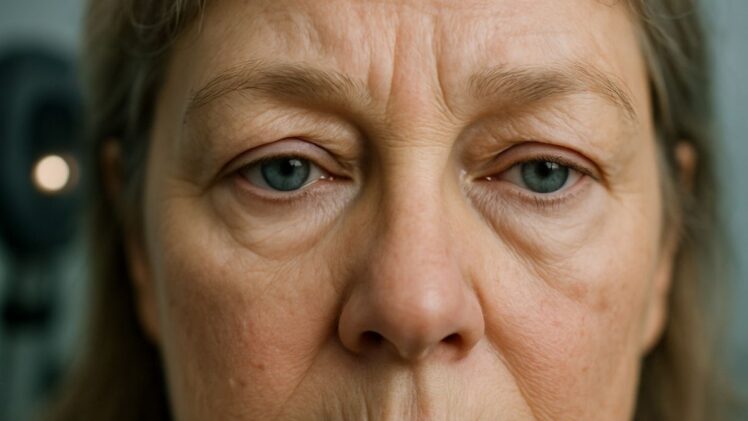
Did you know that parts of your body can reveal health problems before you ever feel a thing? In this article, we cover what the eyes show, but your tongue can do the same.
What you’re looking for are subtle changes, whether self-found or discovered on a routine, dilated exam. These findings can sometimes point to problems elsewhere in the body, which is why ophthalmologists sometimes make the first call about a systemic issue.
I saw this first-hand when a friend’s “new glasses” visit ended with a referral to the doctor for blood pressure and a fasting blood test. It was a scary day for her, but in the end, an helpful outcome that early diagnosis and medication may have saved her future-self.
According to the American Academy of Ophthalmology, adults should get a baseline eye disease screening around age 40, with regular follow-ups after that, because comprehensive exams can flag diabetes, hypertension and more. Early treatment saves vision and, sometimes, lives.
What follows are the illnesses your eyes can reveal long before other symptoms start.
Catch the yellow specks
This one is definitely something an eye screening may discover, yellow flecks. These are often “hard exudates,” which are tiny lipid deposits that form around leaking microaneurysms in diabetic retinopathy.
Effectively, this is an early sign of diabetes showing up in the retina’s blood vessels, sometimes before other symptoms. Data from CDC shows about 38.4 million Americans have diabetes and roughly 8.7 million adults are undiagnosed, so the eye chair is where many first clues appear.
This is a super-reason to have your baseline eye disease screening.
Cataracts
This is one you should be looking out for as you age, cloudy vision. Additionally, if any check-up results in the medical profession saying you have a milky lens, it may point to cataracts as being a future problem.
The National Eye Institute states that cataracts are very common as we age, and more than half of Americans 80+ have had one or surgery to remove it.
Here’s the thing, younger adults can get cataracts too, sometimes linked to diabetes, steroid medicines, eye injury or prior eye surgery. If you’re on long-term steroids or managing diabetes, keep this symptom on your radar.
Droopy lids, or something more?
We’re counting eyelids as eye-related. So if you see them with a persistent droop, it could be ptosis from stretched muscles. It could also be a sign of nerve or muscle disease. In either scenario, go to your doctor for a professional opinion.
The Cleveland Clinic reported that myasthenia gravis often shows up with droopy eyelids and double vision, and ptosis can also follow nerve damage or other conditions. If both lids sag and fatigue worsens as the day goes on, call your doctor promptly.
The quiet bends in blood vessels
This is one you’ll need to catch via eye disease screenings, as sometimes doctors can spot tiny vessel bends called arteriovenous nicking of focal narrowing. The American Heart Association wrote that these hypertensive retinopathy signs track with a higher future stroke risk. It’s a definite scary diagnosis.
However, this is why it’s so important to have eye disease screenings, this is the kind of illness you want your eye doctor to discover early. It could be the difference between knowing what to look out for versus something coming out the blue.
Why do eyes look “wide”?
This is one where all those selfies and group photos may actually pay off. If you notice that you or someone you care about has wide, staring eyes in photos, it might relate to a thyroid disease.
The American Thyroid Association notes that Thyroid Eye Disease related to Graves’ disease can push the eyes forward, create dryness, and blur vision. Those with the illness may also notice palpitations, heat sensitivity or weight loss with hyperthyroidism.
A 2022 consensus statement in Thyroid outlined how doctors stage and treat this condition, so don’t ignore a new “wide-eyed” look.
Flashes, floaters and darkness
If you are suddenly getting flashes, floating light, and a dark curtain in your site, seek urgent care. The AAO and NEI note that these symptoms could signal a retinal tear or detachment. This is an emergency and every minute counts. So get seen the moment you notice it.
Additionally, advanced immune suppression and infections like cytomegalovirus can scar the retina and steal vision. NIH guidance on HIV care found that CMV retinitis remains a leading cause of vision loss in people with AIDS, even today in the ART era.
In advanced immune suppression, infections like cytomegalovirus can scar the retina and steal vision. NIH guidance on HIV care found CMV retinitis remains a leading cause of vision loss in people with AIDS, even in the ART era. If this description fits you or someone you care about, regular dilated exams are essential.
Bumps on the lid
Here’s another thing to notice in regards to your eyelids, bumps. If they are painful and tender, they could be styes. The Mayo Clinic states that they’re often caused by a localized bacterial infection of an eyelash follicle or oil gland. They can be resolved with warm compresses but its essential to avoid mascara or any makeup over eyelids to avoid the spread.
Another potential scenario if the lumps are deep in the lid is that they are chalazia. The AAO notes these are clogged oil glands, not infections, and that they typically fade over days to weeks with heat and gentle care. If a bump lingers or keeps coming back, get it checked.
Know the signs and protect your sight
Routine eye care has the power to catch some problems early and keeps you driving at night, reading menus and enjoying the small print of life.
According to the American Academy of Ophthalmology, a comprehensive exam can reveal eye disease and systemic conditions long before daily symptoms push you to make an appointment. That’s preventive medicine working as designed.
Practical checklist time. If you notice any of the following, don’t wait: a sudden spike in new flashes of light, a dark curtain in your view, a painful red eye, or a dramatic change in vision. Those are red flags for urgent care that experts consistently highlight. Worth a call.
This list is informational and not a medical diagnosis. Always follow the advice of your licensed clinician.
More About:Preventive Health