
Jaw Pain When You Chew? What It Could Mean and When It’s Urgent

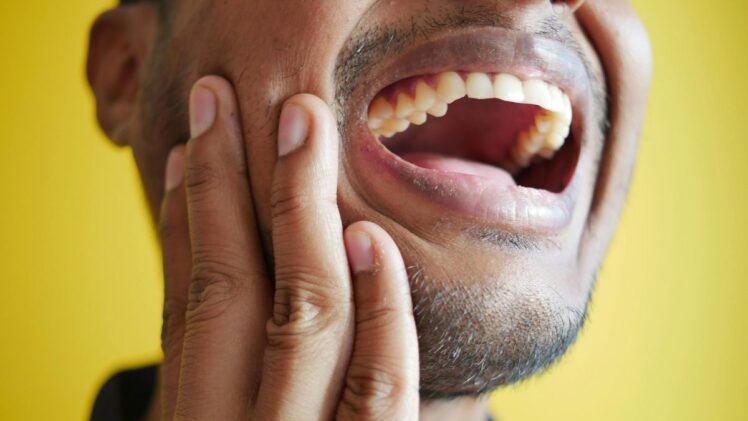
A reader wrote in because they keep getting jaw pain when they chew. They want to know what it could mean, and which other symptoms may help them understand the main problem.
According to the Cleveland Clinic, jaw pain can feel like stiffness, throbbing, aching, pain near the ear, pain when opening the mouth, or pain that spreads from the chest or shoulders into the jaw. That last one is important to be aware of, as jaw pain can sometimes be linked to a heart attack and should be treated as an emergency.
The different ways jaw pain can show up
When people say “jaw pain” they can mean a few different things. For instance:
- Some feel a dull ache after chewing
- Others feel a sharp jab when biting down.
- Some hear clicking, popping, or grinding near the ear.
UCLA Health reports that temporomandibular joint trouble can cause tenderness or pain in the joint, pain around the ear, popping or crackling sounds, and even locking that makes it hard to fully open or close the mouth.
Another sensation is tightness in the jaw. UCLA Health describes the issue as a muscle spasm that limits mouth movement, which can also cause pain or difficulty when eating.

What could be causing jaw pain when chewing?
One common cause is TMD, which stands for temporomandibular disorder. The National Institute of Dental and Craniofacial Research says TMDs are a group of more than 30 conditions that affect the jaw joint and the muscles used to move the jaw.
Hard or chewy foods can set things off. QuickSplint highlights that jaw pain after eating can come from mechanical overload of the chewing muscles, especially with hard foods, chewy foods, teeth grinding, gum chewing, or general jaw overuse.
Dental problems also belong on the list of potential causes. The Cleveland Clinic mentions tooth abscesses, gum disease, arthritis, infections, teeth grinding, trauma, and TMD as possible causes of jaw pain. A tooth issue can feel like jaw pain, especially when biting puts pressure on the area.
Symptoms that help explain the pain

When trying to understand the cause of the pain, consider if the pain is on one side. This may point toward a tooth issue or TMD. Pain near the ear, clicking, popping, stiffness, or trouble opening the mouth may point toward the jaw joint or chewing muscles.
Information from NIDCR shows that symptoms that may signal TMD include pain in the chewing muscles or jaw joint, pain spreading to the face or neck, jaw stiffness, limited movement, locking, painful clicking or popping, ringing in the ears, dizziness, hearing changes, or a change in how the teeth fit together.
A bad tooth may bring swelling, gum pain, sensitivity to hot or cold foods, a bad taste, or pain that gets worse when biting. Sinus pressure can also make the upper jaw ache, along with stress, especially for people who clench their jaw or grind their teeth while sleeping.
Any persistent health change should be checked by a doctor or dentist, and jaw pain is no exception. If it lasts, keeps returning, changes how you eat, or affects how wide you can open your mouth, get it looked at.
More About:Reader Questions