
Why Does My Heart Skip Beats? What’s Normal and What’s Not


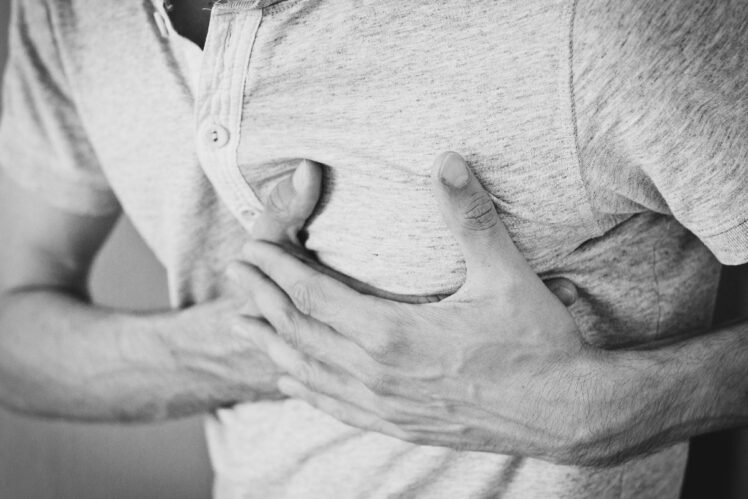
A reader wrote in asking why their heart sometimes feels as though it skips a beat, and whether that sensation is normal or needs to be checked. We’re not talking the romantic kind of skipping a beat, but a sudden pause, flutter or heavy thump in the chest.
According to the Cleveland Clinic, these sensations are known as heart palpitations. They may feel like the heart is racing, pounding, fluttering, missing a beat or adding an extra beat. Palpitations can happen during exercise, while resting or even when lying in bed.
Is it normal to feel your heart skip a beat (medically)?
It’s easy to understand why heart palpitations can get someone’s attention. Most of us don’t notice our heartbeat until it suddenly feels different.
One common explanation is a premature heartbeat. Johns Hopkins Medicine states that what feels like a skipped beat may actually be an early contraction. Because the heart hasn’t fully filled with blood, that beat may be too weak to notice. The following beat then feels much stronger.
Occasional palpitations are common and often aren’t dangerous. However, they can sometimes be connected to an abnormal heart rhythm, particularly when they happen frequently or occur in someone with heart disease or other significant risk factors.
Everyday triggers and possible medical causes
A strong cup of coffee is enough to trigger palpitations in some people. Stress, anxiety, exercise, dehydration, nicotine and alcohol may also affect how the heartbeat feels.
The Cleveland Clinic adds that other possible triggers include fever, anemia, low blood sugar, low potassium, an overactive thyroid and blood loss. Certain asthma medicines, thyroid drugs, supplements and over-the-counter decongestants may also cause palpitations.
Keck Medicine reported that atrial fibrillation, commonly called A-fib, is another possible cause. This condition makes the heart beat irregularly and sometimes quickly. Older adults and people with high blood pressure, diabetes or obesity have a greater risk of developing it.
Heart valve disease, coronary artery disease and problems affecting the heart muscle can cause irregular rhythms too. The Mayo Clinic explains that an arrhythmia happens when the electrical signals controlling the heartbeat don’t work properly. Some arrhythmias are harmless. Others can be serious.

Other symptoms that may help explain the cause
To track the symptom, consider taking notes on when the skipped beats happen, how long they last and whether they follow caffeine, alcohol, exercise, stress or a new medication.
More concerning symptoms include:
- Chest pain or pressure
- Shortness of breath
- Dizziness or lightheadedness
- Fainting or feeling close to fainting
- Unusual sweating
- Extreme or unexplained tiredness
- Palpitations that don’t stop
Harvard Health states that chest pain, breathlessness, dizziness, fatigue or feeling as though you may faint should be discussed with a doctor. Johns Hopkins Medicine also advises medical evaluation for frequent palpitations, fainting, unusual sweating or chest pain.
When should you see a doctor?
Make an appointment if the sensation is new, becoming more frequent, lasting longer or getting worse. It’s also worth being checked if you have heart disease, high blood pressure, diabetes or another condition that raises your cardiovascular risk.
A doctor may review your symptoms, medications and diet before ordering tests. Possible checks include blood tests, an electrocardiogram, an echocardiogram, a stress test or a wearable heart monitor that records your rhythm over time.
More About:Reader Questions