
The Silent Damage You’re Doing to Your Hearing Every Day

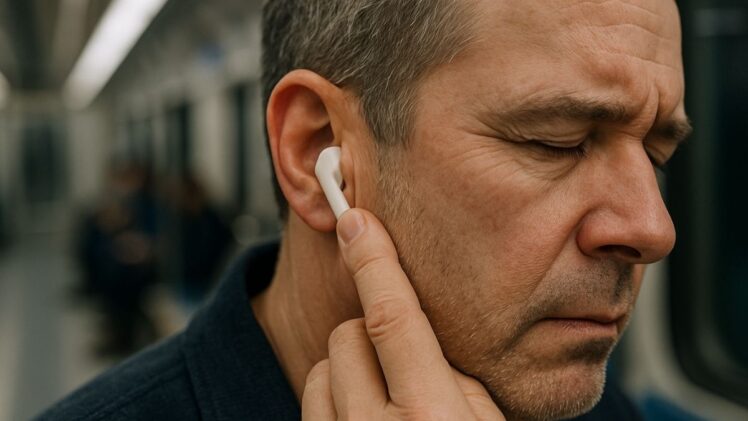
More than 430 million people live with disabling hearing loss worldwide, and over 1 billion young adults are at risk because of unsafe listening. Data from the World Health Organization shows this burden will climb without better protection. It’s quite a health crisis.
According to the U.S. National Institute on Deafness and Other Communication Disorders, long or repeated exposure to sounds at or above 85 dBA can damage hearing, while everyday conversation sits closer to 60–70 dBA. NIOSH at CDC sets a recommended workplace exposure limit of 85 dBA averaged over an eight-hour shift.
In medical journals, you read it all the time, people who thought their ears were “fine” until voices began to sound muffled or tiring. Subtle at first. Frustrating later. And let’s not get started on the way people use ear buds to remove wax (we’ll put that in a different article).
A jackhammer three feet away can hit around 120 dB, and gunshots or fireworks can exceed 140 dB, which is enough to injure quickly. One NIDCD poster lists sirens and stadiums in the 94–129 dB range, far above the safe zone for more than minutes at a time.
1. Protect your ears at work
Jobs that force you to shout to be heard deserve respect and ear protection. Construction crews, farmers, airport ground staff, and service members face chronic noise that accumulates over years. According to NIOSH, anything 85 dBA or higher calls for precautions, and every 3 dB increase halves the safe time.
Even “ordinary” equipment adds up. Large trucks typically run near or above 90 dB, and power tools often crest 100 dB. If your workplace would require hearing protection by safety rules, your ears deserve the same care on weekends.
2. The everyday entertainment trap
Concerts, clubs, and headphones pack a punch. As WHO put it, adults can safely listen at 80 dB for about 40 hours per week, but at 90 dB that drops to roughly 4 hours. Several devices now include volume warnings and exposure tracking to help you stay under that weekly “sound dose.”
One report mentioned that stadiums and personal audio can run 94–110 dB or more, which makes “crank it up” a fast way to overdo it. Keep the joy, lower the risk.
3. Are your meds part of it?
Some prescriptions and over-the-counter drugs can injure the inner ear. Medscape notes classic culprits such as aminoglycoside antibiotics, platinum-based chemotherapy agents like cisplatin, high-dose salicylates, quinine, and loop diuretics.
Important: If hearing changes, tell your clinician promptly rather than stopping medications on your own.
Publication reviews found that salicylates and loop diuretics can cause temporary shifts, while aminoglycosides and cisplatin are linked to permanent loss in some patients. Older adults, and people taking more than one ototoxic medicine, carry higher risk.
4. Smoking
I read that smokers and people exposed to secondhand smoke had higher odds of hearing loss in a large UK analysis of 164,770 adults. The University of Manchester reported elevated risk even for passive smokers.
Data from a meta-analysis also shows smoking raises the odds of noise-induced hearing loss, with risk increasing alongside pack-years. Another U.S. study tied secondhand smoke to measurable shifts at both low and high frequencies. Small choices matter here.
5. Road, wind, and engine roar
Convertible drivers can face steady noise between 82 and 92 dB, with short peaks near 99 dB in traffic, which sits outside comfortable safety margins for long drives. Otolaryngology researchers measured these levels while vehicles traveled at typical speeds.
Cyclists encounter the same physics. Henry Ford Health researchers clocked wind noise around 85 dB at 15 mph and up to 120 dB on 60-mph descents in a wind-tunnel study. No headphones needed. Just air and speed.
Motorcyclists aren’t spared either. British studies documented wind noise of about 90 dB at 60 km/h that rises with speed, and long-time riders showed both temporary and permanent threshold shifts on testing. A good helmet isn’t always enough without some ear protection.
What makes your volume dangerous?
The louder the sound, the less time it takes to harm. NIDCD notes that sounds at or below 70 dBA are generally safe, but 85 dBA for eight hours can already be too much. That’s why small tweaks to time and distance pay off.
Simple moves that preserve hearing
- Turn it down a notch: According to WHO, keeping everyday listening near 80 dB and watching your weekly “dose” is a smart baseline. Many phones now show exposure data in settings.
- Use earplugs you’ll actually wear: Foam works, but filtered plugs make speech clearer at concerts or in a busy diner without blasting your ears. NIOSH notes that protection is warranted whenever levels hit 85 dBA or higher.
- Choose noise-canceling headphones: The data shows you can listen at lower volumes when the background rumble is reduced, which helps you stay under safe limits in planes or trains.
- Take listening breaks: ASHA notes WHO’s weekly guidance, and that even five minutes at 100 dB can burn through your safe allowance for the day. Short quiet periods help your ears recover.
- Step back from the source: NIDCD and CDC materials both emphasize distance. A few extra feet from speakers or engines can drop exposure quickly. Simple physics, real benefit.
I’ll add one personal note. If voices feel muffled after a game or ride, or if a new medicine brings ringing, schedule a hearing check. Early action protects independence.
More About:Preventive Health