
New Double Vision That Comes and Goes? What It Could Mean and When It’s Urgent


A reader wrote in with a new symptom: double vision that comes and goes. They wanted to know what might be causing it, and whether it’s something that needs a doctor’s visit.
According to the Cleveland Clinic, double vision is medically called diplopia. It means a person sees two images of one object. Sometimes it’s short-lived, but it can also be pointing to something that’s more serious. That’s why new vision changes should not be ignored.
Seeing two images instead of one
Vision is one of those things we expect to work and when it suddenly doesn’t, it gets your attention.
Interestingly, double vision can be experienced differently from person to person. The two images may appear side by side, stacked on top of each other, or slightly shadowed.
The Cleveland Clinic states that monocular double vision is still present when one eye is covered, while binocular double vision goes away when either eye is covered. Binocular double vision is often more concerning because it can involve eye alignment, muscles, nerves, or the brain.
Causes that may come and go
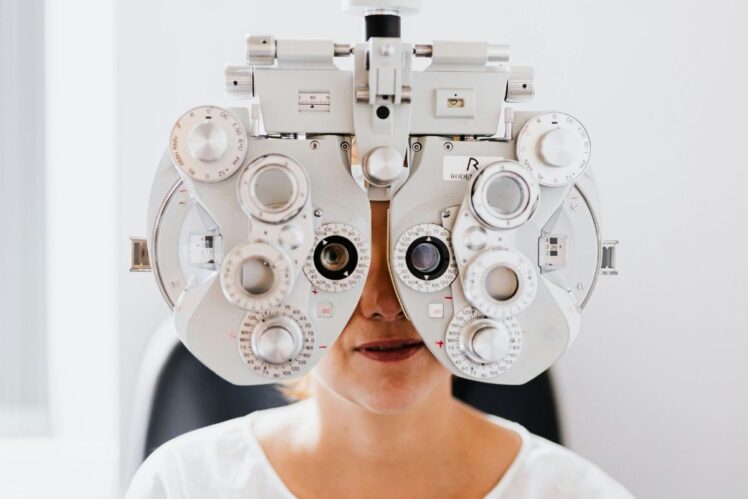
Causes can vary, for example, if the double vision only happens when both eyes are open, that may mean the eyes are not lining up correctly at that moment.
All About Vision states that double vision that comes and goes may be linked to medication side effects, high blood pressure, past trauma, migraines, diabetes complications, eye muscle problems, dry eye, astigmatism, or cataracts.
Additionally, temporary double vision may also happen with fatigue, stress, intoxication, standing up too quickly, low blood sugar, injury, or infection.
NANOS, the North American Neuro-Ophthalmology Society, also explains that binocular double vision happens when the eyes are misaligned. Causes can involve the eye sockets, eye muscles, cranial nerves, the connection between nerves and muscles, or the brain itself.
There is such a broad list of potential causes, it’s not worth guessing, instead anyone experiencing this symptom should get checked out by a doctor.
Symptoms that give doctors clues

We recommend writing down any additional symptoms or information you might be experiencing.
For instance, does it happen when you’re tired? Is it worse looking left, right, up, or down? Does it happen up close or far away? Does covering one eye make it stop?
NANOS states that these details can help doctors understand where the problem may be coming from.
Other symptoms also matter. For example, are you experiencing headaches, nausea, dizziness, or eye pain? Doctors are likely to also check for droopy eyelids, unequal pupils, numbness, and weakness.
Any new health change, including double vision that comes and goes, should be checked by a doctor. Don’t wait for it to become constant. Additionally, the Cleveland Clinic states that you should visit an emergency room if double vision does not go away within a few hours, or if it comes with eye pain, dizziness, muscle weakness, slurred speech, or confusion.
More About:Reader Questions