
Is Your Diet Secretly Taking a Toll on Your Mood?

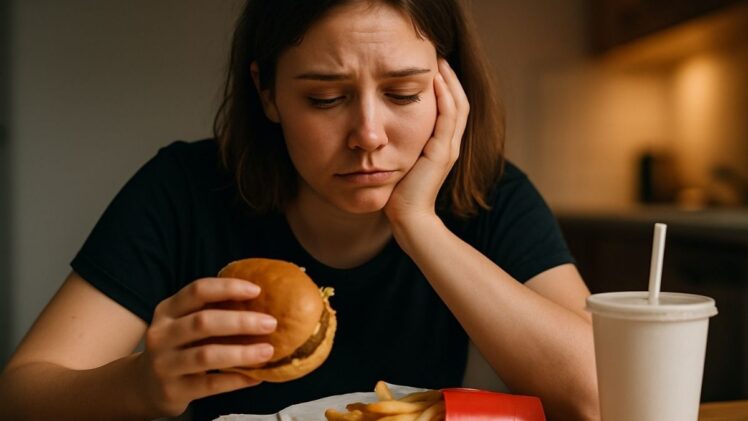
I’m used to working long hours, several days in a row, and what I’ve noticed is that to get through it without feeling miserable and even depressed, the right diet is imperative. A good plate of food steadies energy, whereas a sugary lunch does the opposite. And when out of energy it all becomes a slog and misery kicks in quickly.
Here’s the thing, depression touches hundreds of millions of people worldwide, with about 280 million people living with it during a study back in 2019. What’s driving that depression is varied, but when looking nationally, it’s reported that one in five U.S. adults live with mental health issues, and major depression is one of the most common conditions clinicians see.
When digging into this topic, diet stood out, here’s why:
What the SMILES trial found
In a 12-week randomized controlled trial at Deakin University, 67 adults with moderate to severe depression either received social support or met with a dietitian seven times to adopt a modified Mediterranean diet. Amazinging, the remission at 12 weeks was 32.3% in the diet group versus 8.0% in the social-support group. That’s a shocking gap even with such a small sample.
For those curious, the eating plan, called the ModiMed-Diet, pulled from Australian guidelines and the adult dietary guidelines of Greece. It was a diet loaded with vegetables, fruits, legumes, whole grains, olive oil, fish, nuts, plus modest lean red meat, while trimming sweets, refined cereals, processed meats and sugary drinks.
Linking diet to mood
Here’s the deep-rooted truth, ultra-processed foods supply about 58% of Americans’ calories and nearly 90% of added sugars. That’s a lot of quick energy and very little slow release staying power. As anyone with diabetes will tell you, a diet heavy in sugar is one full of sugar spikes, and ultimately a mood roller coaster.
Let’s put this into plain English, the more our plates lean on soda, packaged snacks and frozen meals, the easier it is to overshoot added sugar. Time reported that dialing down ultra-processed foods and leaning into whole, plant-rich meals aligns with better overall well-being and, in emerging work, mental health too.
Let’s not skip caffeine or alcohol either, as both are a big part of many people’s diet:
- The Sleep Foundation stated that caffeine can push bedtime later, shrink total sleep time and chip away at sleep quality, especially when used in the afternoon or evening. For many of us, poor sleep and low mood travel together.
- Additionally, MedlinePlus notes that alcohol is a central nervous system depressant that alters brain signaling and can change mood and behavior. If you’re already vulnerable to low mood, that’s a double hit. MedlinePlus
Small changes to consider
- Always start your day with a high-energy breakfast. For example, have oats or plain Greek yogurt topped with berries and a selection of healthy nuts. This is a super-healthy breakfast that’s affordable, repeatable, and actually quite sweet and delicious.
- For lunch and dinner build your plate around plants. For example, always add half a plate of vegetables or salad. Have a quarter for proteins like beans, fish, or lean meats. The final quarter should be for whole grains. This is the perfect way to fuel your body.
- Another key aspect is to remove or keep out of arms reach high-sugar snacks. Anything that’s sugary, like soda, cookies, fast food menus, heavily processed meats, etc.
- Also think about what you’re drinking and when. If caffeine is impacting your sleep, stop drinking it in the afternoon and evening. If alcohol affects your mood, consider smaller pours or have set days where you don’t drink.
- One of the most important things to consider is your eating pattern. Get into a routine of the above, plan out your meals. For example, use olive oil not seed oils, eat fish twice a week, keep eggs to modest amounts, etc.
Diet over therapy or medication?
It’s important to know that diet cannot replace therapy or medication for many people, and you should only try changing your diet after consultation with a doctor if you’re on medication.
NIMH reported that effective care often combines approaches, and diet can sit alongside them as a supportive habit you control day to day. If your symptoms are severe or you’re thinking about self-harm, contact a clinician or call for help right away.
Any self-improvement, even diet, isn’t about a quick fix, and is rather about stacking the odds in your favor with patterns that help energy, sleep and reduce inflammation, which are all tied to mood. The SMILES trial is an encouraging set of data, potentially proving how food affects mood. Sometimes a little, sometimes a lot. For many of us in our 50s, that’s practical information we can use.
More About:Diets