
Why Do My Eyes Feel Dry All the Time? Common Causes and Simple Triggers

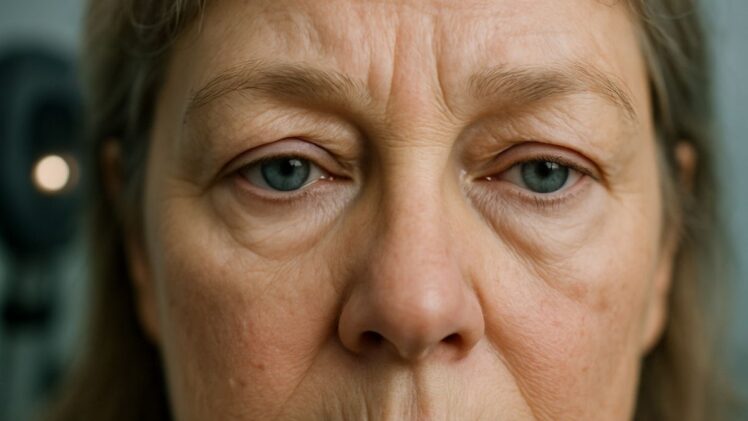
A reader wrote in asking why their eyes always feel dry. They wanted to know whether this is a common problem, if it could be seasonal, or if ongoing dryness means they should see a doctor.
Dry eyes can happen for many reasons. Some are simple, such as spending hours looking at a screen or sitting near an air conditioner. Others may require an eye examination to identify the cause.
Is the symptom of dry eyes common?
Dry eyes are common, especially among adults over 50. Tear production can decrease with age, while changes in the makeup of tears may prevent them from keeping the eyes properly lubricated.
According to the American Optometric Association, dry eye develops when tear production and drainage are out of balance. A person may not make enough tears, or the tears may be of poor quality and evaporate too quickly.
Symptoms may only appear in certain situations. An airplane cabin, a dry room, a windy day, or several hours at a computer can be enough to trigger discomfort. For others, it becomes an ongoing problem.

What are the common causes of having dry eyes?
Screen use is one familiar cause. People often blink less while reading, driving, watching television, or concentrating on a computer. That gives the tears more time to evaporate.
Seasonal conditions can contribute too. Eye allergies, wind, smoke, and dry air may all worsen symptoms. Indoor heating during winter and air conditioning during summer can also remove moisture from the air. So, dry eyes can sometimes feel seasonal.
The Mayo Clinic states that other possible causes include hormonal changes, blocked oil glands, contact lens use, eyelid problems, and previous laser eye surgery. Certain medicines may also contribute, including antihistamines, decongestants, antidepressants, and some treatments for high blood pressure.
It’s important that you don’t stop taking prescribed medicine on your own, always speak to your doctor first.
Are dry eyes a symptom of something more serious?
Most cases of dry eye aren’t caused by a serious illness. Still, persistent dry eye can sometimes be associated with conditions such as thyroid disease, rheumatoid arthritis, lupus, Sjögren syndrome, vitamin A deficiency, or other problems affecting tear production.
Severe dry eye may also cause complications when it isn’t treated. Tears help defend the eye’s surface, so inadequate tear production can increase the risk of infection. In serious cases, inflammation or damage to the cornea may affect vision.
That doesn’t mean occasional dryness should cause alarm, yet ongoing symptoms should be checked out.
What other symptoms can help identify the cause?
Amazingly, dry eye doesn’t always feel dry. The Mayo Clinic lists burning, stinging, redness, blurred vision, light sensitivity, eye fatigue, and the feeling that something is stuck in the eye among the common symptoms.
Other clues may include:
- Stringy mucus around the eyes
- Trouble wearing contact lenses
- Difficulty driving at night
- Scratchy or gritty eyes
- Excessive watering
Watery eyes may sound surprising, but irritation can cause the body to produce a rush of tears. These tears may not have the right balance needed to provide lasting moisture.
Strong itching that appears during pollen season may suggest allergies. Crusty or inflamed eyelids could point toward an eyelid gland problem.
When should you see a doctor?
Speak to a doctor or eye-care professional if the dryness lasts, keeps returning, or interferes with reading, driving, working, or wearing contact lenses.
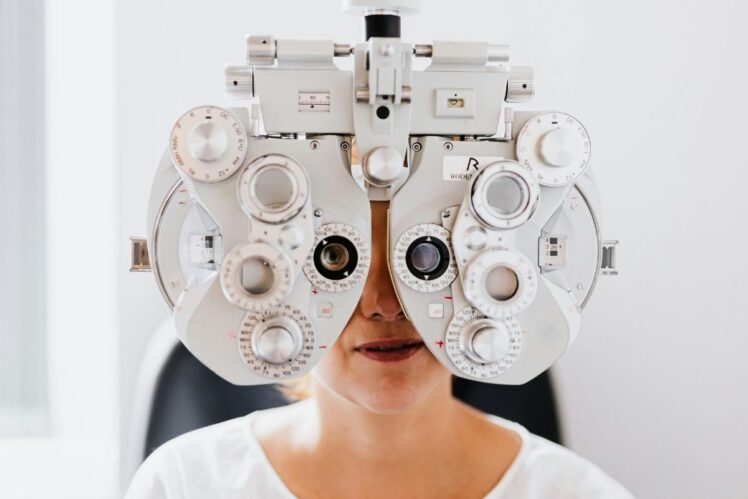
The Mayo Clinic recommends seeking medical advice for prolonged symptoms, including eyes that remain red, irritated, tired, or painful. An eye doctor can examine the eye’s surface, eyelids, tear production, and how quickly the tears evaporate.
New treatments are available for people with persistent dry eye, including prescription drops and therapies aimed at inflammation or poor tear quality. The American Academy of Ophthalmology highlights that treatment continues to evolve, but the correct option depends on what is causing the dryness.
More About:Reader Questions