
Do Weight Loss Injections Have Side Effects? What to Know Before You Start


Many readers have been reaching out and asking about weight loss injections, with one question repeating in our inbox: “Do weight loss injections have side effects?”
It’s no surprise that people are asking so frequently, as major celebrities, like Oprah Winfrey, are talking openly about their treatments. The before-and-after photos turn heads and have many people with excess weight pondering if they should try them.

We recommend not getting lured into the medication based on celebrity imagery alone. The medication does have side effects, and they’re not trending in the same way celebrity weight loss stories do.
The medication
The majority of weight loss injections people talk about right now are GLP-1 medicines, or medicines that act like GLP-1.
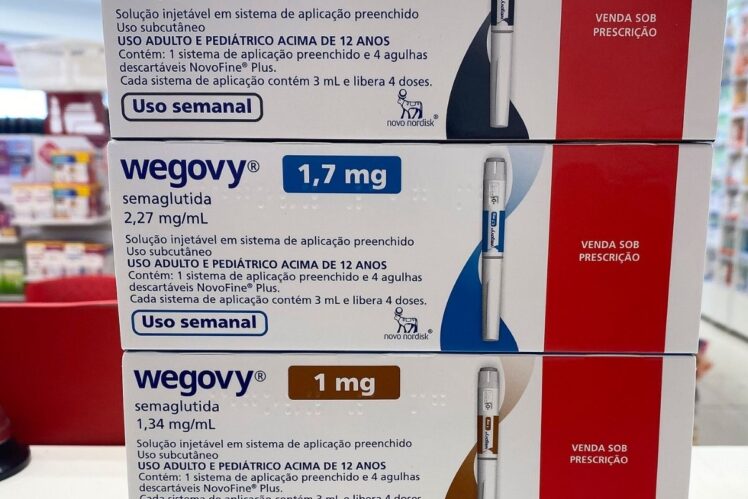
Semaglutide is one of the big names, sold for weight management as Wegovy. Some people also talk about Ozempic, which is also semaglutide, but it’s marketed for type 2 diabetes.
GLP-1 medications help with weight loss by working on appetite and digestion. The Cleveland Clinic notes that semaglutide can reduce appetite and slow digestion, which helps many people feel full sooner and stay full longer.
The side effects
Here’s the part celebrity chatter often skips. The side effects range from annoying to serious.
Common side effects include:
- Nausea (very common)
- Vomiting or diarrhea
- Constipation
- Stomach pain, indigestion, or feeling “off” after meals
The following are less common, but far more serious:
- Pancreatitis symptoms, like severe belly pain that won’t quit
- Gallbladder problems, including gallstones
- Kidney issues that can show up after dehydration from vomiting or diarrhea
- Allergic reactions, including swelling of the lips, mouth, or throat
Data from MedlinePlus shows that semaglutide carries a warning tied to thyroid tumors seen in animal studies, and it also flags specific thyroid cancer history as a reason to avoid its use.
Additionally, the FDA has a warning on Wegovy about the risk of thyroid C-cell tumors in rodents. They give clear guidance about who should not use it, including people with a personal or family history of certain thyroid cancers.
Unapproved versions are even riskier
Importantly, if you are looking at online options, it’s vital to know that the FDA is concerned about unapproved GLP-1 drugs being sold directly to consumers, sometimes labeled “for research purposes” or “not for human consumption,” with quality and dosing that can’t be trusted.
The University of Illinois Chicago reported that the FDA has been dealing with counterfeit and illegally marketed GLP-1 products, which may contain incorrect ingredients or inconsistent doses.
Reuters reported that drugmakers have even taken legal action related to copycat versions, which shows how messy this market has gotten.
Before considering any weight loss medication, it’s vital that you speak to your doctor and ask, “What side effects am I most likely to face?” They’ll be able to advise you by factoring in your age, current meds, kidney function, gallbladder history, diabetes risk, and more.
More About:Reader Questions