
Vanessa Trump Shares Health Update After Breast Cancer Diagnosis

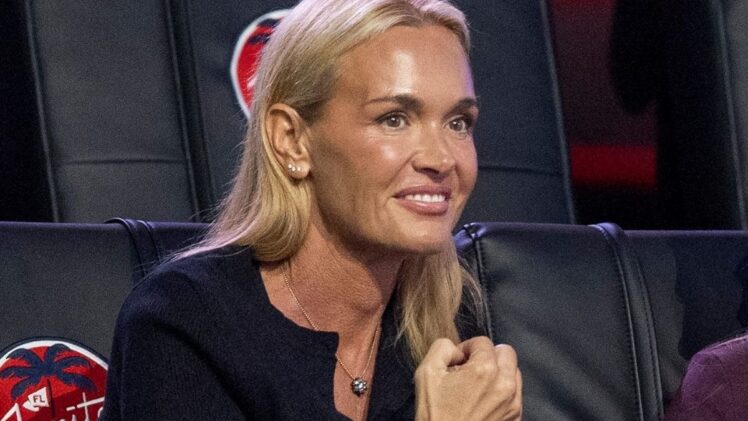
Vanessa Trump, 48, announced Wednesday, May 20, that she has been diagnosed with breast cancer, sharing the news in a personal Instagram update while asking for privacy as she begins treatment and recovery.
In her Instagram post, Trump wrote, “I’ve recently been diagnosed with breast cancer. While this isn’t news anyone expects, I’m working closely with my medical team on a treatment plan.”
People reported that Trump, the ex-wife of Donald Trump Jr. and mother of five, said she’s working with her medical team on a treatment plan after the diagnosis. She also shared that she underwent a procedure earlier this week and thanked the doctors involved.
Family support around her

Vanessa also wrote that she is “staying focused and hopeful” while surrounded by support from her family, her children, and those closest to her.
CNN reported that Trump announced the diagnosis on Instagram Wednesday, while ABP Live reported that Ivanka Trump responded with a public comment of support. “Praying for your continued strength and a swift recovery. Love you mama,” Ivanka wrote.
Trump ended her message by thanking people for their kindness and asking for privacy as she focuses on her health and recovery.
What breast cancer can look like

Breast cancer happens when cells in the breast grow out of control. It can start in different parts of the breast, and symptoms are not always obvious early on.
According to the CDC, warning signs can include:
- A new lump in the breast or underarm
- Swelling or thickening in part of the breast
- Dimpling or irritation of the skin
- Nipple pain
- Nipple pulling inward
- A nipple discharge other than breast milk
- Changes in breast size or shape
- Pain in any area of the breast.
Not every lump is cancer, but it’s important to have changes checked rather than ignored.
Treatment depends on the diagnosis
The Mayo Clinic states that breast cancer treatment depends on the type of cancer, stage, how fast it’s growing, whether the cancer cells are sensitive to hormones, and a person’s overall health.
The CDC lists several common treatment options. They can include lumpectomy, mastectomy, radiation, chemotherapy, hormonal therapy, and biological therapy.
Some patients may need chemotherapy before surgery to shrink the cancer, while others may have surgery first.
The American Cancer Society guidance also states that many women with stage I, II, or III breast cancer are treated with surgery, often followed by radiation, and many also receive drug therapy such as chemotherapy, hormone therapy, targeted drugs, immunotherapy, or a combination.
If you find a new lump or experience bloody nipple discharge, skin dimpling, nipple changes, swelling, or pain that doesn’t feel normal, speak with a doctor.
More About:Cancer