
New Tingling Around Your Mouth? What It Could Mean and When to Call


A reader wrote in saying they’re feeling a new tingling around their mouth and want to know what it might mean.
According to Healthline, facial tingling can feel prickly, crawling, burning, itching, or numb, and it may affect the whole face or just one side. Causes can range from anxiety and migraine to allergic reactions, nerve damage, stroke, or a transient ischemic attack, also called a TIA.
This is the kind of symptom people often brush off as just something small and strange. Yet, it’s one that should get attention.
Where the tingling shows up matters
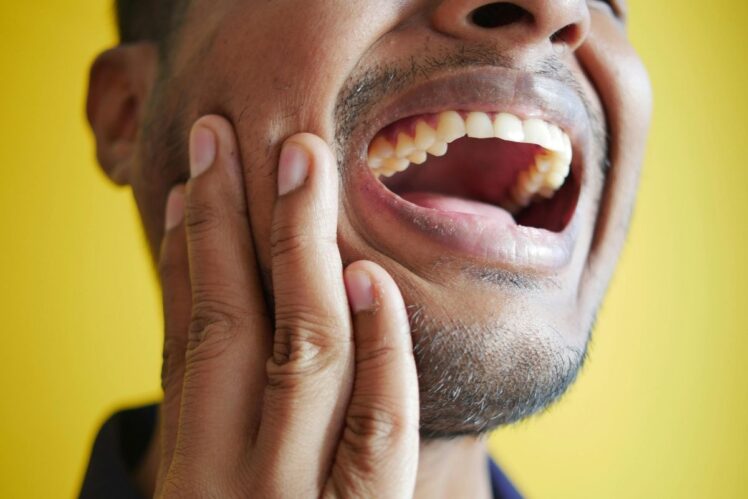
Tingling on the lips may feel different from tingling inside the mouth. It can also show up around the mouth on the face, near the cheeks, chin, or corners of the lips.
Colgate states that oral paresthesia can include tingling, prickling, swelling, or burning sensations in the mouth. Oral hypoesthesia is different, because that means reduced sensation, such as trouble feeling temperature, pressure, or touch inside the mouth.
A lip-only feeling might point toward irritation, dry skin, cold exposure, allergy, or nerve sensitivity. Tingling inside the mouth may raise other possibilities, including dental nerve issues, vitamin deficiency, low blood sugar, burning mouth syndrome, or a reaction to food or dental products.
Possible causes behind mouth tingling
eMedicineHealth reported that tingling around the mouth can be linked to anxiety, hyperventilation, panic disorder, low calcium, shingles, Bell’s palsy, and other conditions. HealthTap adds that hyperventilation, often from anxiety or panic attacks, is a common cause of tingling around the mouth.
Food reactions should also be tracked. Healthline adds that tingling or itching around the mouth can happen with food allergies. Other warning signs may include trouble swallowing, hives, swelling of the face, lips, tongue, or throat, shortness of breath, dizziness, fainting, nausea, vomiting, or diarrhea.
Dental and nerve causes can also be part of the picture. Colgate found that numbness or tingling in the mouth may be linked to low calcium, vitamin B12 or folate deficiency, low blood sugar, multiple sclerosis, anxiety-related oral paresthesia, dental nerve injury, oral allergy syndrome, seizures, burning mouth syndrome, or, rarely, oral cancer.
Burning, numb, or strange taste
According to the National Institute of Dental and Craniofacial Research, burning mouth syndrome can feel like burning, scalding, tingling, or numbness in the mouth, and it may come with dry mouth or an altered taste. It can affect the tongue, lips, roof of the mouth, or the whole mouth.
That’s one reason this symptom shouldn’t be guessed away. The mouth is a small area, but so many things can be happening there, it’s wise to monitor and get checked out.
Symptoms to watch closely
Track when the tingling starts. For example, does it happen after eating? After a new medicine? After dental work? During stress? While exercising? After using a new toothpaste or mouthwash?
Also track the location. For instance, is it tingling on one side or both? Does it last for seconds or minutes, etc.
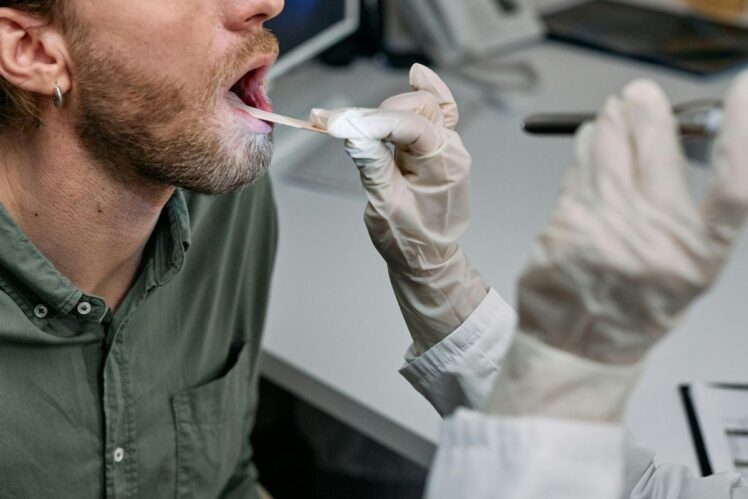
Verywell Health states that facial tingling can be hard to diagnose because it has many possible causes. A healthcare provider may ask about symptom timing, medical history, and family history, then do a physical or neurological exam. Blood tests or imaging may also be needed.
Call a doctor or dentist if the tingling keeps coming back, lasts longer than a short spell, gets worse, affects eating or speaking, follows dental work, or comes with any new health change.
More About:Reader Questions