
Swollen Ankles by Evening? What to Watch For and When to Call a Doctor


We always try to reply to readers’ questions, and today we’ve picked out this one: Why do I have swollen ankles at the end of the day?
A lot of people notice this pattern:
- Their ankles look fine in the morning.
- By dinner, they’re starting to puff up.
- Once home, and their ankles and feet are free, everything looks a little swollen.
What this usually represents is fluid collecting in the tissues of the lower legs. Doctors often call this edema.
WebMD states that symptoms often include:
- Swollen ankles and feet.
- The swelling is often painless and can linger.
The bigger picture is that this pattern and these symptoms sometimes point to a more serious medical issue, depending on what other symptoms you have.
Yet that doesn’t mean you should run to the doctor straight away. There are many other reasons you may experience swelling.
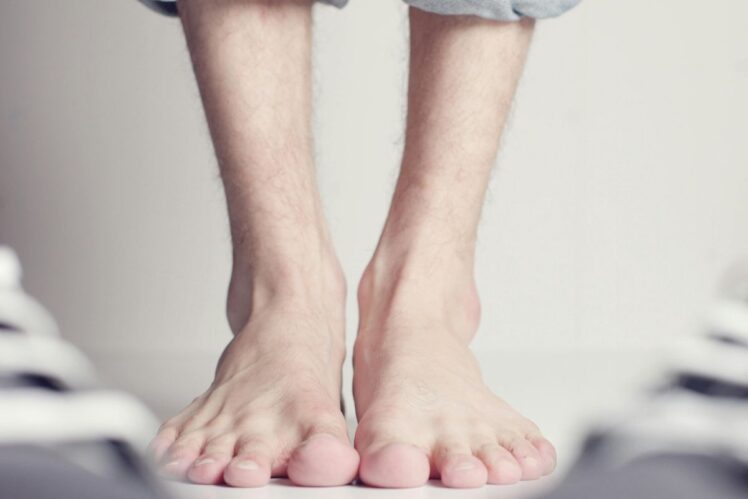
Understand what has changed
The reality is that sometimes it can happen after a long day, or for any of the following reasons:
- Sitting or standing for a long time in one position.
- You may be going through a weight change.
- It might even be because of blood pressure or steroid medications.
- Amazingly, even having too much salt may cause it.
The trick is to monitor how often the swelling happens and try to understand what you did over the last few days that may have caused it. For example, did you have a particularly salty meal the day before, or start a new medication?
Circulation may be the issue
Over the course of a day, gravity will have had hours to pull fluid downward into your legs. If your circulation is struggling, that fluid can hang around in your ankles.
Data from USA Vein Clinics says that swelling that’s mild in the morning and worse at night can line up with circulation problems. This includes chronic venous insufficiency, which often improves overnight when you lie down and pressure eases.
As USA Vein Clinics put it, weakened vein valves can let blood pool in the legs, raising pressure and pushing fluid into nearby tissue over time, and that’s one reason evening swelling can show up before other obvious signs.
Along with swelling, watch out for heaviness, tightness, mild aching after sitting or standing, itchy skin near the ankles, nighttime cramps, or new spider veins or varicose veins. All of these can be signs of chronic venous insufficiency.

Symptoms worth tracking
When it comes to swelling in the legs, there are many things to look out for. If you repeatedly see the following symptoms, make an appointment at your doctors. Don’t put it off:
- Puffiness around the ankles that shows sock or shoe marks.
- Skin that looks shiny or stretched.
- A dent that stays after you press a finger into the swelling (pitting).
- Heaviness or throbbing that builds through the day.
- Itching, cramps at night, or visible veins that seem to be spreading.
- Swelling that’s mostly one-sided, or suddenly worse than usual.
Additionally, if you have been diagnosed with heart, kidney, or liver problems, or diabetes, you should already be having regular check-ups. Make sure you inform your doctor of these symptoms immediately.
Finally, if you experience any of the following, don’t wait, seek urgent care:
- Sudden swelling in one leg, especially with warmth, redness, or pain (this needs a fast check for a clot).
- Severe swelling that starts very suddenly.
- Fever, red hot skin, or you feel hot and shivery.
- Chest pain, irregular heartbeat, or shortness of breath.
It’s vital that if breathing feels hard, you call 911.
We recommend taking notes of symptoms, covering when it starts, whether it’s one or both ankles, what meds you take, and other potential causes. A small list like this can save time and help you get to the right next step faster.
More About:Reader Questions