
Stopped Drinking and Feel Weird? Signs Your Liver May Be Healing


We always like to answer any questions we receive, and a regular reader has reached out with a question that’s timely for Dry January.
The reader’s question was ‘how quickly does the liver heal after you stop drinking alcohol?’
It’s a tough question to answer as it depends on how much damage was done, and what the overall health is for the person in question.
However, for some, a liver can actually heal pretty quickly after someone stops drinking. Let’s dig in.

When your liver starts rebuilding
According to the Cleveland Clinic, liver function can begin improving in as little as two to three weeks once alcohol is off the menu. So, for someone cutting out alcohol during Dry January, by the second or third week, a liver might be rebuilding.
The Cleveland Clinic also points to a 2021 review which monitored heavy drinkers who stayed alcohol-free for two to four weeks. In this report, they saw inflammation drop and liver blood tests move in a positive direction.
As someone who no longer drinks alcohol, I’ve watched Dry January go from a niche wellness challenge to a full-blown health-movement. For those in doubt, it really does have benefits.
What changes first?
Amazingly, within days of stopping alcohol consumption, your liver gets a break from processing it and can start to reduce inflammation.
East Point Behavioral Health states that when you drink a lot, the liver has to prioritize breaking down alcohol. This makes it less capable of covering its other jobs. This is what causes toxins to build-up over time.
Further data from PubMed shows the liver has a regenerative capacity, and once alcohol is removed it can recover a significant portion of mass and function. This is even after long-term and heavy alcohol use.
The real timeframe?
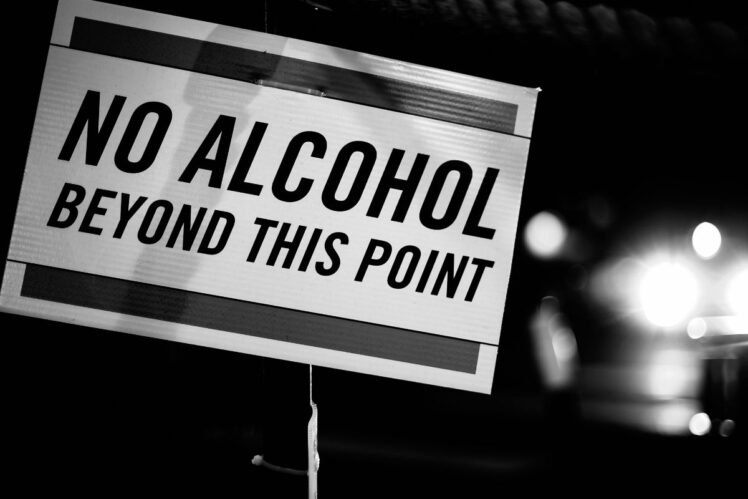
So far we’ve spoken about how within days there can be a reduction in inflammation, and within a month, the liver can start rebuilding. However, it’s after months of stopping where the payoff becomes obvious. Especially in people who were heavy drinkers.
As covered by East Point Behavioral Health, it’s over an extended period where the liver can focus on regenerating damaged cells. This is where people see improvements, including better energy, improved digestion, and clearer skin as the organ’s function moves back to normal.
There are some variables, for example, cirrhosis can change progress. For instance, the scar tissue doesn’t simply disappear. The goal for someone with cirrhosis would be to protect the healthy tissue remaining.
The Cleveland Clinic explains that if someone is left with cirrhosis after severe alcohol injury, even one drink can be toxic to the liver.
If you are a drinker without other health issues, the timeline for liver recovery is likely:
- Within days: Inflammation starts easing for most people.
- 2 to 4 weeks: Heavy drinkers should have less inflammation in the liver.
- 2 to 6 weeks: Fatty liver changes should also improve within this window.
- Months: The repair and regeneration becomes a daily improvement.
The main thing to do if you have a drinking issue is to seek help from a clinician. This is incredibly true if you are a heavy daily drinker, as stopping suddenly can trigger withdrawal issues. These could further complicate recovery.
More About:Reader Questions