
Stomach Pain With Bloating and Gas? Common Triggers to Track

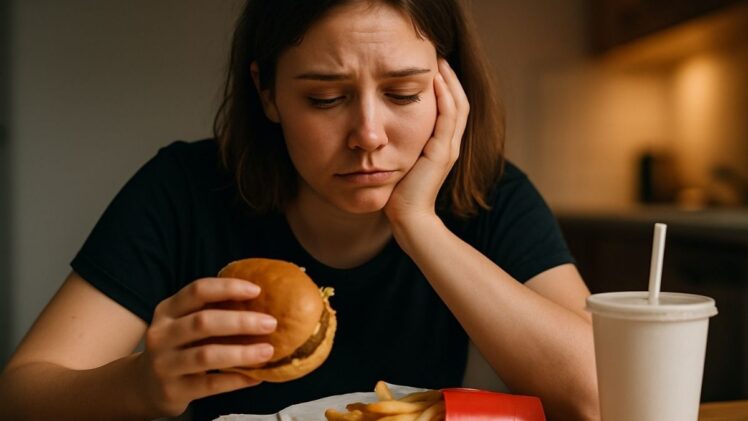
A reader wrote in asking about stomach pain that comes with bloating and gas after eating. They said it happens so often that they’ve started skipping lunch at work to avoid embarrassing gas.
What can cause bloating and gas after eating?
According to the Cleveland Clinic, gas is a normal part of digestion, but trapped gas can cause belly pain, cramping, fullness, tightness, and bloating. It can also make your belly look larger than usual.
I get why this can feel worrying. It’s one thing to have a little gas at home. It’s another thing when your stomach starts acting up after lunch and you still have half a day to get through.
The Mayo Clinic states that stomach gas is often caused by swallowing air while eating or drinking. Gas can also form in the colon when bacteria break down foods that weren’t fully digested in the small intestine.

Common food triggers to track
The reality is that certain foods are more likely to cause gas. The Mayo Clinic lists beans, peas, fruits, vegetables, and whole grains as common high-fiber triggers. It also states that carbonated drinks, eating too quickly, drinking through a straw, chewing gum, sucking on candy, and some sugar substitutes can lead to more gas.
That doesn’t mean those foods are “bad.” A lot of them are healthy foods. The issue is that some digestive systems handle them better than others, and that can change with age.
The Cleveland Clinic also states that dairy can be a trigger for people with lactose intolerance, while IBS, celiac disease, constipation, infections, and small intestinal bacterial overgrowth can also play a role in gas and bloating.
Is bloating and gas common after eating?
Bloating and gas is actually common after eating.
The Cleveland Clinic states that most people pass gas up to 20 times a day. The Mayo Clinic also says burping is normal, especially during or right after a meal, and that passing gas is rarely a medical problem by itself.
Still, “common” doesn’t mean you should ignore it forever. I grew up in a time when people were told to just tough things out. That’s not always the best move, especially when a symptom starts changing how you eat or live.

Symptoms to watch closely
The Mayo Clinic says symptoms tied to gas can include excessive burping, passing gas, stomach pain or cramps, a knotted feeling in the stomach, bloating, pressure, and visible belly distention.
However, the Cleveland Clinic advises watching for fever, nausea, vomiting, unexplained weight loss, chronic or sudden diarrhea, rectal bleeding, bloody stool, or greasy, foul-smelling stool along with gas pain.
Johns Hopkins Medicine states that repeated gas and cramping can be linked to food sensitivities, including lactose, fructose, gluten, or another ingredient. It advises tracking which foods seem to set symptoms off, then checking in with a doctor for guidance.
When to see a doctor
Small food changes are a fair first step. Try tracking meals, portion sizes, dairy, carbonated drinks, high-fiber foods, sweeteners, and how fast you eat. Johns Hopkins Medicine also suggests avoiding straws, choosing noncarbonated drinks, and avoiding chewing gum if gas pain is a problem.
The Mayo Clinic states that you should talk to a healthcare professional if gas or gas pain won’t go away, becomes severe, or interferes with daily life. It also says to seek care if gas comes with bloody stools, stool changes, weight loss, constipation, diarrhea, ongoing nausea, vomiting, prolonged stomach pain, or chest pain.
Skipping lunch is a sign this is already affecting daily life. Try some sensible food swaps, but don’t keep guessing for weeks. Any lasting change in your health deserves a hands-on diagnosis from a doctor.
More About:Reader Questions