
My Snoring Got Worse, Should I Get Checked?

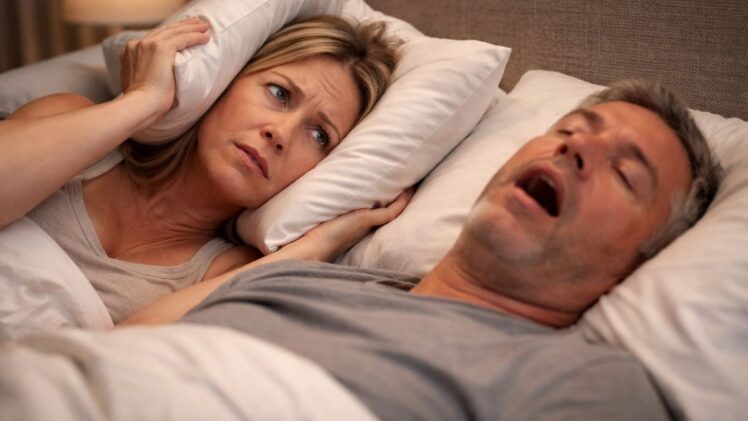
We frequently get questions from readers, and one person has asked if they should seek medical help for their snoring, as it’s disrupting their wife’s sleep.
The first thing to know is that snoring is incredibly common. According to the American Medical Association, between 25% and 50% of adults snore regularly, and 90 million Americans say they snore at least sometimes. So if you feel like it came out of nowhere, you are not alone.
There are multiple scenarios. For instance, if you fall asleep after a late dinner, maybe you have a cold coming on, and your partner says you sounded like a chainsaw, that combination is a classic setup for snoring to ramp up.
The question is whether it’s a sudden change and whether it’s persistent, as snoring can be triggered by a seasonal dry nose, a mild cold, or something time-limited that will pass.
If it is sudden and persistent, it might be that your body is hinting that breathing at night is not as smooth as it used to be. At this point, it’s time to get checked out.
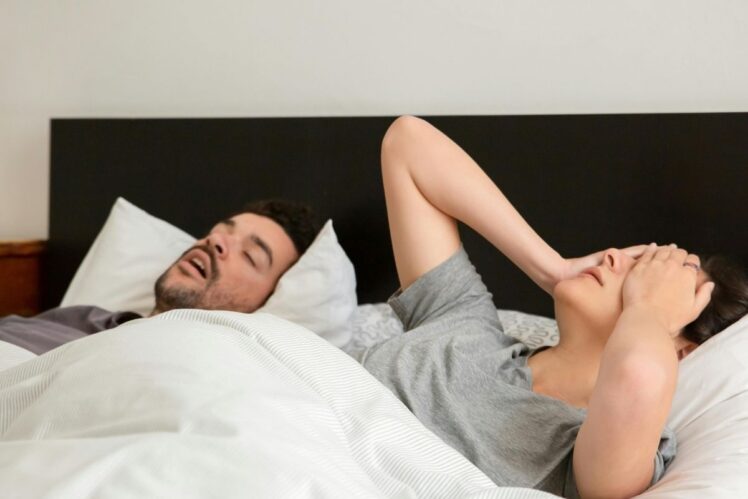
What could be behind it?
The Mayo Clinic notes that snoring happens when air moves past relaxed tissues in your throat, and those tissues vibrate as you breathe. If something is causing narrower airflow, it usually means a louder noise. This can be due to congestion, like colds and allergies, or anatomy-related issues, like excess weight.
The Cleveland Clinic highlights a handful of common reasons snoring gets worse, and most of them are not mysterious:
- Muscle tone decreases as you age, and over time, this can cause airways to tighten up.
- Alcohol and sedatives can relax muscles and impact airflow.
- Congestion in the nasal area, which could be caused by allergies, colds, flu, etc., can increase mouth breathing.
- Excess weight may cause extra tissue to narrow the airways.
- Aspects of anatomy can cause snoring, including large tonsils, a large tongue, or a deviated septum.
Amazingly, snoring may simply run in your family. However, this would not explain why snoring has suddenly become a problem.
Issues that may show up and cause upper-airway problems include rhinitis. This issue shows up a lot in people being evaluated for snoring.

Red flags to take action on
As snoring can be linked with obstructive sleep apnea, if you also experience the following symptoms, seek medical guidance:
- If your breathing pauses while sleeping
- If you wake up gasping or choking at night
- Excessive daytime sleepiness
- Regular morning headaches
- Trouble concentrating throughout the day
- High blood pressure
- Chest pain at night
- Frequent restless and broken sleep
If you do need to get checked out, the clinician will usually start with simple questions and an examination of your nose, mouth, and throat. Questions may include how often you snore, what it sounds like, and whether you feel rested. Therefore, we recommend taking notes with you, and maybe even a recording, if your partner is willing.
If sleep apnea is a concern, they may recommend a sleep study, which can sometimes be conducted at home.
Remember, if your snoring change comes with breathing pauses, choking, heavy daytime sleepiness, or nighttime chest pain, it is time to get checked.
More About:Reader Questions