
Shampoo Dangers: Are You Using These Harmful Ingredients?

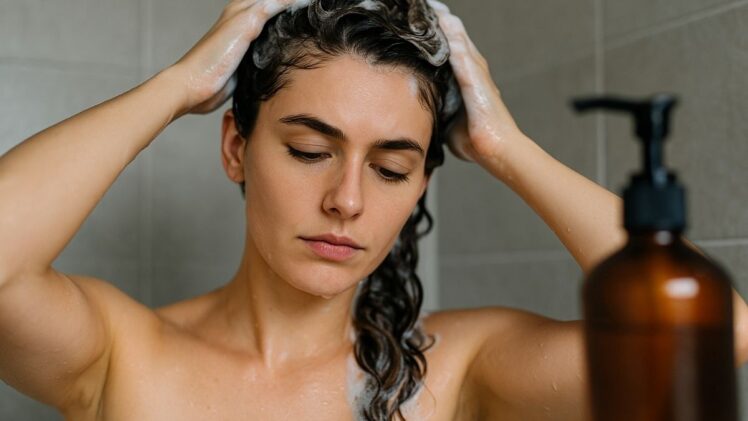
I still read labels like I’m ordering kitchen inventory. At home, it’s easy to forget the bathroom shelf can be a blind spot. Small habits help. Flip the bottle, scan the fine print, and know the health red flags. This is even true for your shampoo.
Did you know that most cosmetics in the U.S. don’t get premarket approval, and companies are legally responsible for product safety. That’s how the system is set up. According to the FDA, manufacturers must substantiate safety, but there’s no required, specific test for each item or ingredient.
Amazingly, hair and skin items drive a big share of cosmetic complaints to the FDA database, and in the past, cleansing conditioners have been hit with special reviews. This increase occurred after the FDA asked consumers to file directly, the numbers jumped, which brought the issue into focus.
For example, in 2016, WEN cleansing conditioners became a high-profile example, with thousands of hair-loss and irritation complaints flowing to the FDA after a public call for reports, NBC Boston reported. It was a wake-up call for many of us who assumed shampoo was a low-risk purchase.
Scan your shampoo label
Data from FDA pages shows you can’t rely on premarket testing as a safeguard, so learning a few ingredient names goes a long way. Simple practice, real payoff.
For example, one report mentioned that hair-smoothing products can release formaldehyde when heated, which is why ventilation and protective steps matter in salons. That’s not fear talking, it’s practical information to follow.
While digging into this topic, I read that Congress updated the law in 2022, adding new duties for companies to register facilities, list products, keep safety records, and report serious adverse events. Helpful progress, although day-to-day, you’ll still be choosing based on labels and trusted brands.
What you need to look out for on labels
Sulfates
Sodium lauryl sulfate (SLS) and sodium laureth sulfate (SLES) make the big, satisfying lather. They’re effective cleaners. They can also irritate skin, eyes, and the scalp, especially for sensitive folks or with frequent use, Healthline notes. Not cancer-causing, but potentially rough on dryness and color. If you’re prone to irritation, choose sulfate-free or rotate products.
Medical literature has long used SLS as a controlled skin irritant in studies, which tells you why some people struggle with these formulas, Environmental Health Insights found. That doesn’t make sulfates “toxic,” it just explains the red, itchy evenings some of us see after a too-thorough scrub.
One more wrinkle. SLES can carry trace amounts of 1,4-dioxane, a manufacturing byproduct and possible carcinogen in animals, the FDA notes. Brands have worked for years to reduce it, and levels are typically very low, but it’s another reason to pick gentler options if you’re concerned.
Formaldehyde
As the American Cancer Society put it, formaldehyde is classified as carcinogenic to humans, with links to nasopharyngeal cancer and leukemia. Salon smoothing treatments are the biggest exposure point because heat can release the gas. If you ever book one, ask about ventilation and ingredient names like formaldehyde, formalin, or methylene glycol.
Regulators have issued warnings and enforcement letters when labeling or safety claims fell short on these products, according to FDA updates. It’s a niche use case, yet worth knowing if you do chemical straightening a few times a year.
Parabens
Cleveland Clinic notes that parabens are preservatives that can have weak estrogen-like activity in lab settings, which is why they’re so debated. That said, the FDA’s position is that parabens in cosmetics, at current low levels, are not proven harmful as used. Sadly, you’ll see both views in headlines making it very hard to know what’s right. So choose your comfort level, and remember that preservative-free can invite mold. Balance matters.
Quick shopping checklist
From working in various environments, I’ve learned to keep a short “no-go” list for vendors. Same idea here. Make a quick list on your phone with ingredients you avoid, then stick to a few brands that publish clear safety info. It saves time and stress during a busy weeknight shop.
- Read labels for SLS or SLES if you’re sensitive.
- Ask about formaldehyde or formaldehyde-releasers in any smoothing treatment.
- Decide how you feel about parabens, then buy consistently.
These steps are simple and repeatable.As FDA pages and cancer-risk summaries suggest, your best defense is an informed, steady routine, not panic. I’m not here to scare you. I’m here to help you live healthily. That’s the whole goal.
More About:Preventive Health