
34 Sickened in Salmonella Outbreak Linked to Backyard Poultry

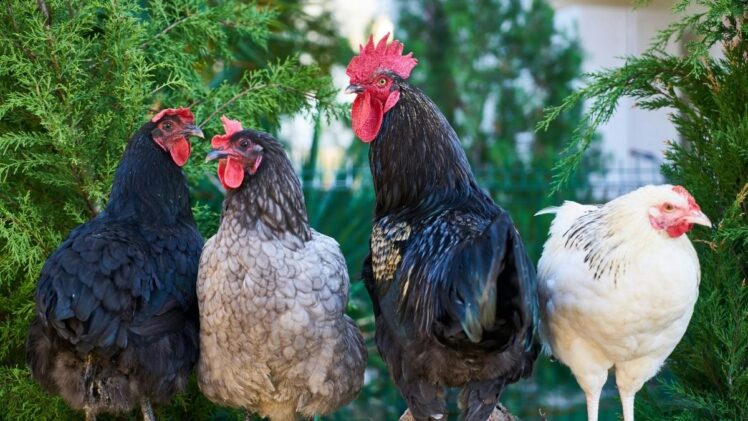
Thirty-four people in 13 states have been sickened in a Salmonella outbreak linked to backyard poultry, including chickens and ducks. The CDC announced the outbreak on April 23, 2026, and said 13 people have been hospitalized. No deaths have been reported.
According to the CDC, the investigation is still open. Health officials are looking at illnesses tied to contact with backyard poultry, and the CDC says any backyard bird can carry Salmonella germs, even when it looks healthy and clean. That’s an important fact that many people are unaware of, the bird can look healthy, but their produce may still be a risk.
People reported that the outbreak has affected mostly children, with patients ranging from younger than 1 to age 78, and nearly half of those sickened were age 5 or younger.
The outbreak spreads across states
The CDC’s location page shows where the 34 sick people lived, but the agency warned that the outbreak may not be limited to the states with known illnesses. The true number of cases is likely higher because many people recover without medical care and never get tested.
People added that cases include states in the Midwest, including Michigan, Ohio, and Wisconsin, with cases also reported as far away as Maine and Florida. The illness count may grow because it can take weeks to confirm whether a sick person is part of an outbreak.
How backyard birds can make people sick

If you have or look after backyard birds, the transmission is simple. For instance, someone feeds the chickens, picks up eggs, touches a coop door, or handles a duckling. Then they touch food or their mouth before washing their hands. That’s enough for Salmonella germs to spread.
The CDC recommends washing hands after touching birds, eggs, supplies, or anything in the area where the birds live. The CDC also says not to kiss or snuggle backyard poultry, not to eat or drink around them, and to keep poultry supplies outside the house.
Importantly, children younger than 5 should not handle chicks, ducklings, or other backyard birds because they are more likely to get seriously sick.
What is Salmonella?
Salmonella is a type of bacteria that can make people sick with an illness called salmonellosis. The CDC states that people usually get infected after swallowing the bacteria, often from contaminated food, water, animals, animal poop, or places where animals live and roam.
Salmonella causes about 1.35 million infections in the United States each year. Contaminated food causes most illnesses, but animal contact is also a known risk. Poultry is a major source, and a poultry review published in Microorganisms found that contaminated poultry eggs and meat products are major sources of human Salmonella infection.
Symptoms to watch for
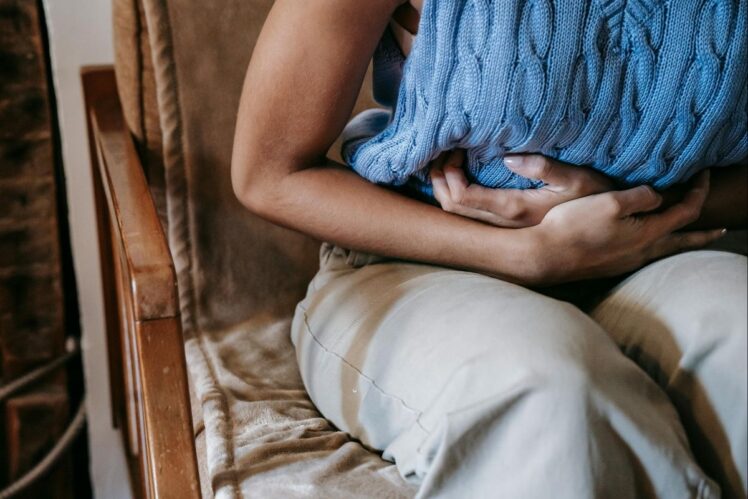
Most people with Salmonella infection have diarrhea, fever, and stomach cramps. Symptoms usually start 6 hours to 6 days after infection and often last 4 to 7 days. Some people also have nausea, vomiting, headache, and loss of appetite.
People added that this outbreak may involve a strain resistant to a common antibiotic, which makes the situation more concerning for people who become seriously ill. That doesn’t mean every case will be severe. But it does mean families should take symptoms seriously, especially with young children and older adults.
When to get medical help
Do not wait if symptoms are severe. The CDC says to call a healthcare provider right away for diarrhea with a fever over 102°F, diarrhea lasting more than 2 days without improving, bloody diarrhea, vomiting that prevents keeping liquids down, or signs of dehydration such as little urination, dry mouth, dry throat, or dizziness when standing.
More About:Health