
Why Do My Ears Ring at Night? Common Causes and When to Get Checked

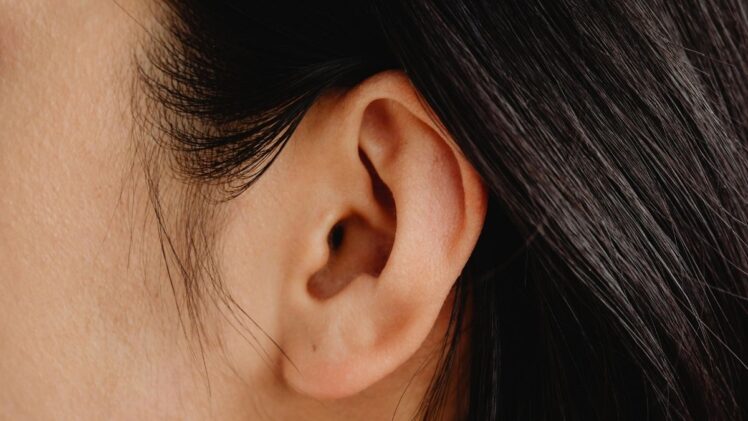
Reader QuestionsA reader wrote in saying their ears ring at night. It happens all the time, and they want to know what might be causing it. They also asked if this could be part of aging, or if it’s something they should get checked.
According to the Cleveland Clinic, tinnitus is the medical term for hearing sounds like ringing, buzzing, clicking, humming, or whooshing when there isn’t an outside sound causing it.
It can affect one ear or both, and it can be soft, loud, short-term, or ongoing. The Cleveland Clinic also states that severe tinnitus can make it harder to sleep or focus.
I get why this would bother someone more at night. The house goes quiet, and every small sound suddenly feels like the loudest thing in the room. Even the ringing in their ears.
Are ringing ears at night common as people age?
Tinnitus is common, and yes, it becomes more common as people get older. The Mayo Clinic reported that tinnitus affects about 15% to 30% of people and is more common in older adults.
They also state that tinnitus is often caused by another condition, such as age-related hearing loss, an ear injury, or a blood vessel issue.
Information from the National Institute on Deafness and Other Communication Disorders (NIDCD) shows that surveys estimate 10% to 25% of adults have tinnitus. NIDCD also states that most people with tinnitus have some degree of hearing loss.
That doesn’t mean ringing ears should be brushed off as “just age.” That’s the kind of thing people used to say about a lot of health issues. Sometimes it’s harmless, but sometimes it’s a clue to other issues.

Why it can feel worse at night
Audiology Associates of DFW adds that tinnitus may feel louder at night because there’s less background sound. During the day, your ears pick up noise from the room, the street, or another part of the house. At night, that noise fades, and the ringing can stand out more.
A fan, white noise machine, or calming sound app may help some people sleep. NIDCD states that tabletop or smartphone sound generators can play sounds like waves, rain, waterfalls, or a fan near the bed.
It doesn’t cure the problem, but for some people, it can help.
What can cause ringing ears at night?
The Cleveland Clinic reported that common causes of tinnitus include hearing loss, loud noise exposure, dental issues, earwax buildup, ear infections, head or neck injuries, certain medications, and TMJ disorders. It also adds that stress and lack of sleep can make tinnitus feel worse.
The Mayo Clinic found that tinnitus can also be linked to ear structure problems, eustachian tube issues, changes in ear bones, muscle spasms in the inner ear, blood vessel conditions, Ménière’s disease, migraines, diabetes, thyroid problems, anemia, and autoimmune conditions.
Medications are worth checking too. NIDCD adds that tinnitus can be a side effect of some medications, especially at higher doses, including NSAIDs, certain antibiotics, anti-cancer drugs, anti-malaria medications, and antidepressants.
Symptoms to track
We recommend writing down whether the ringing is in one ear or both. If it sounds like ringing, buzzing, roaring, clicking, hissing, humming, whooshing, or pulsing.
Additionally, write down if you are experiencing any hearing loss, ear pain, ear fullness, dizziness, vertigo, headaches, jaw pain, recent cold symptoms, trouble sleeping, anxiety, or ringing that seems to beat with your pulse.
The Cleveland Clinic says people who hear their heartbeat in their ears should contact their primary care doctor, who may recommend a cardiovascular doctor or an ear, nose, and throat specialist.

When to see a doctor
The Cleveland Clinic recommends scheduling a visit with an audiologist if tinnitus is constant or bothersome for several weeks, comes with sudden hearing changes, hearing loss, dizziness, or vertigo.
The Mayo Clinic says people should seek care as soon as possible if tinnitus comes with sudden hearing loss, dizziness, numbness or weakness in the face, arm, or leg, anxiety, depression, sleep disruption, or after a car accident, sports injury, or similar event.
The practical answer is this: ringing ears at night can be common, especially with age-related hearing changes. But if it’s happening all the time, getting worse, affecting sleep, or coming with other symptoms, don’t just live with it. Get it checked.
More About:Reader Questions