
Pain Behind One Eye? What It Could Mean and When to Get Checked


A reader wrote in asking about a symptom they’re experiencing. They frequently get pain behind one eye only, and they want to know what might be causing it.
According to the American Academy of Ophthalmology, pain behind the eye can feel like it is coming from inside the head, rather than from the eye. That distinction makes a huge difference, because the source may not always be the eye itself.
What can cause pain behind one eye?
Pain behind one eye can happen for several reasons. Some are common and not usually serious. Others may need fast attention.
North Toronto Eye Care states that possible causes include dry eye, vision problems, sinus inflammation, migraine, and glaucoma.
Headaches are another major potential cause of the pain behind the eye. Optometrists.org states that tension headaches and migraine headaches can both create pressure behind the eyes. Migraines may also come with visual changes, such as zigzags or colorful lines.
Sinus problems can also cause pressure behind or below one or both eyes. Optometrists.org explains that sinusitis can create this pressure when one or more of the sinuses become infected or inflamed.
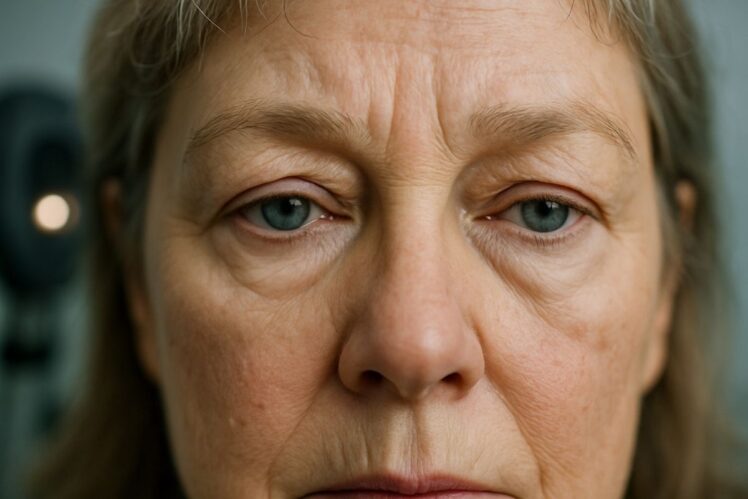
What types of pain do people feel?
An important fact to remember is that eye pain does not feel the same for everyone.
The Cleveland Clinic describes eye pain as sharp, aching, throbbing, burning, stabbing, or pressure-like. Some people feel it on the surface of the eye. Others feel it deeper, as though it’s behind the eye.
A dull ache may point toward strain, dryness, sinus pressure, or a headache pattern. A throbbing pain may fit more with migraine. A sharp or stabbing pain, especially if it’s new or intense, should be taken more seriously.
Pain with eye movement is another clue. It can happen with certain nerve-related or inflammatory eye problems, and it’s worth discussing with a doctor or eye care professional.
What is the most common cause?
A common cause is headache-related pain, especially tension headaches and migraines.
Optometrists.org states that tension headaches are the most frequent type of headache, and they can cause pressure behind the eyes.
That doesn’t mean every pain behind one eye is “just a headache.” That word can make people brush things off too quickly. I grew up in a time when a lot of people were told to walk it off, take something, and get back to work. That’s not always the smart move when it comes to your eyes.
Screen strain may also be part of the picture. Long periods of reading, driving, watching TV, or looking at a phone or computer can leave the eyes tired and sore.
The Cleveland Clinic says new or worsening eye pain, especially sudden pain, should get immediate medical attention.

Other symptoms to watch for
Other symptoms can help narrow down what might be going on.
Pain with a stuffy nose, facial pressure, fever, or thick nasal drainage may suggest sinus inflammation. Pain with nausea, light sensitivity, sound sensitivity, or visual changes may point toward migraine.
Blurred vision, double vision, loss of vision, halos around lights, swelling, redness, vomiting, fever, or chills are more concerning.
The Cleveland Clinic lists warning signs that should prompt medical attention, including vomiting, seeing halos around lights, pressure, fever, chills, and other signs of infection.
Loss of vision is a major red flag. Don’t wait for it to pass if that occurs.
When to see a doctor
If you experience changes in your health, especially with symptoms like pain behind one eye, it’s always best to see a doctor and get a hands-on diagnosis.
That’s especially true if the pain is new, severe, getting worse, keeps coming back, or comes with vision changes. Adults over 50 should be even more cautious, because eye pressure problems, inflammation, and other health issues become more important to rule out.
A doctor or eye care professional can examine the eye directly, check vision, look at eye pressure, ask about headache patterns, and decide whether the cause may be eye-related, sinus-related, nerve-related, or something else.
More About:Reader Questions