
New Food Pyramid Flips the Script on Carbs and Fats

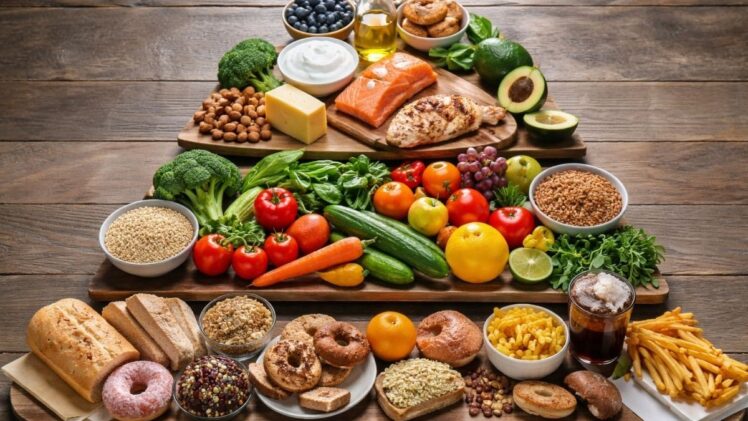
On January 7, 2026, Federal health officials released Dietary Guidelines running to 2030. It also showcased an upside down food pyramid.
These guidelines and the pyramid aims to build meals around protein, fruits, veggies, and healthy fats. It also emphasizes that people should back away from highly processed, ready-to-eat foods and refined carbs in their diets. Things this site has been recommending for a while.
According to the Associated Press, the guide draws a sharper line than past versions. It clearly says to avoid packaged foods that are salty or sweet” and to clamp down on added sugar.
The guidelines also keeps a familiar ceiling on saturated fat, even while giving more room to whole-food sources like meat and full-fat dairy.
I’ve watched nutrition advice flip and reboot like a long-running TV franchise, same characters, different costumes. This time, the vibe is to cook something basic, rather than rely on processed fast solutions. Those are wise words. Or as The Guardian sums it up, the core message is to eat real food. Again, it’s guidance that cannot be debated.
For example, a winning breakfast that combines all the new guidelines would be two eggs, a side of plain whole-milk yogurt topped with mixed berries and a handful of nuts. It’s not fancy or complicated, but covers everything your body needs.
CBS News noted the guidelines lean into meals like this, focused on protein and low added sugars.

Protein on top
Protein is important, especially as we age. The reality is muscle loss is real and protein helps.
NBC News reported the update raises the daily protein target to about 1.2 to 1.6 grams per kilogram of body weight. It’s a noticeable jump from the older baseline many of us grew up hearing.
Ultra-processed food
The big takeaway from the guidelines is that ultra-processed foods are given the big no thanks.
Data from the CDC shows 55% of Americans get more than half their daily calories from ultra-processed foods.
The type of foods the new guidance calls out include packaged, prepared, ready-to-eat items, plus sweetened drinks like soda and energy drinks.
What changes about dairy?
What may surprise some is that full-fat dairy is no longer treated like a movie villain. ABC News reported the guidelines actually encourage full-fat dairy with no added sugars.
The CBS News article, previously referenced, also highlights that the daily aim remains three servings, but with a stronger push toward the full-fat versions.
So if you’ve been buying sweetened yogurt, you might want to make a switch.
Sugar caps
In the guidelines, another element that jumps off the page is the cap of ten grams of sugar per meal.
What may surprise further is that the guidance says no amount of added sugar is recommended, and sets about 10 grams of added sugar per meal as the upper edge.
Gut health gets a nod
Another area covered in the guidelines is gut health, specifically in regards to fermented foods and fiber. The guidelines talk about the gut microbiome, recommending veggies, fruits, fermented food, and high-fiber choices to support it.
What this means is that you should consider kefir, sauerkraut, beans, and oats.
Real fats
There has always been doubt about the kind of oils and butters that are problematic. The guidance makes that clearer, stating that butter, beef tallow, and olive oil are all acceptable options.
The guidance is to keep saturated fat limited to no more than 10% of daily calories. Which means you can cook real food, with real fats, but don’t have every meal swimming in them.
Practical ways to use this guidance
- Build meals around a protein you like, eggs, fish, chicken, beans, then add produce.
- Keep added sugar on your radar, so that you can avoid it. Especially in drinks and flavored dairy.
- Choose whole grains most days, but skip the refined-carb pileups.
- If you have kidney disease, diabetes, or heart concerns, check with your clinician before chasing higher protein or more saturated fats.
I’ll be honest, the older I get, and with the chronic issues I have, simple meals made around a protein appeal more. And they can taste great. This guidance sets it out clearly, keep your food intake steady, simple, and definitely less packaged.
More About:Health