
New Finger or Hand Swelling? Signs You Shouldn’t Ignore


Each week we answer questions from readers writing in. Today, we answer a question about new swelling in a reader’s fingers and hands.
This kind of swelling can happen for more than one reason, from something temporary like heat or exercise to a health issue that needs attention.
Common reasons why swelling in hands and fingers happens
According to the Cleveland Clinic, edema is the medical term for swelling caused by extra fluid getting trapped in the body’s tissues. This swelling can be linked to inflammation, pregnancy, long periods of sitting or standing, medication side effects, circulation problems, thyroid disease, and heart, liver, or kidney problems.
Many people brush off the occasional swelling, blaming how they’ve slept, or a reaction to something they’ve eaten, like a salty takeout meal. Sometimes, that might be the cause, but when potential causes can be serious, it’s best to get checked.
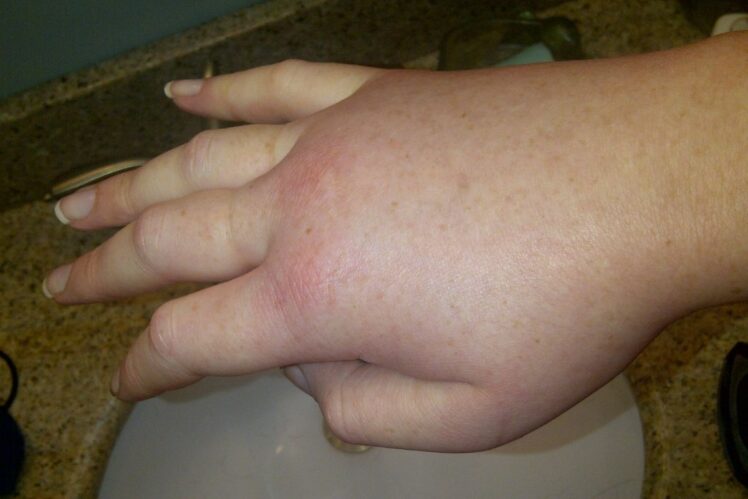
The Hand Society notes swollen fingers are common with many injuries and medical conditions, and the swelling itself can bring pain, discomfort, and reduced mobility.
Swelling in your fingers or hands can be something very simple. For example, after a long walk on a hot day, fingers can puff up. The Mayo Clinic says hand swelling during exercise is common and may happen because blood flow shifts toward the heart, lungs, and working muscles, while blood vessels in the hands open wider.
Healthline also states that hot weather, too much salt, and exercise can all trigger hand swelling in some people.
However, Healthline also states that lymphedema and psoriatic arthritis can lead to swelling in the hands or fingers, and Cleveland Clinic found that generalized swelling can sometimes point to an underlying condition instead of a minor flare-up. This is what you shouldn’t ignore and why it’s vital to see a doctor.
Small clues that matter
Swelling on its own tells only part of the story. As Cleveland Clinic highlights, the area may look puffy, enlarged, shiny, or tight, and it may hurt or feel sore. Yet, symptoms may go further. For example, you may not be able to fully close your hands, rings suddenly feel too tight, or the hand just doesn’t move normally.
Healthline also offers a number of extra warning signs. In heat-related swelling, you might also notice dizziness, cramps, exhaustion, or heat rash. With low sodium tied to intense exercise,
The Mayo Clinic adds that confusion and vomiting may stand out more than the swelling itself.
And when joint disease is involved, pain, stiffness, tenderness, warmth, or sausage-like fingers can show up too. None of which is subtle, and should result in a visit to the doctor.
When not to wait

This part is simple. If your health changes for any reason, no matter the symptom, it’s best to seek medical help. Don’t put it off.
The Cleveland Clinic says sudden swelling, swelling in multiple body parts, or swelling that comes with severe pain, fever, shortness of breath, or trouble doing normal daily tasks should be checked by a doctor.
Swelling around the face or mouth from an allergic reaction should be considered an emergency.
Most swollen fingers or hands won’t turn out to be the start of some dramatic medical plot twist, but they do deserve attention, especially when the swelling is new, keeps coming back, or shows up with other symptoms.
A doctor can look at the full picture and help sort out what’s minor, and what isn’t.
More About:Reader Questions