
Morning Dry Mouth? Common Causes and Warning Signs


Each week we answer questions from readers writing in. Today, we answer a question about waking up with a dry mouth.
A reader asked why their mouth feels dry every morning, even when they think they slept fine. It can seem small at first. Just an annoying start to the day. But when it keeps happening, it’s worth paying attention to, because your mouth can be telling you something important.
They wanted to know if it was just part of getting older, or if something else might be behind it. According to the National Institute of Dental and Craniofacial Research, dry mouth is not considered a normal part of aging, which is an important detail for anyone tempted to brush such a symptom off.
Morning dry mouth, what could be behind it?
The Mayo Clinic notes that mouth breathing and snoring can dry the mouth out overnight, which is one of the more common explanations when the problem shows up first thing in the morning.
Medicines are another big cause of this symptom, including some drugs used for depression, high blood pressure, anxiety, allergies, congestion, pain, and muscle relaxation.
Sometimes the cause is simpler, for example, not drinking enough fluids, sleeping with the heat on, or being dehydrated can leave your mouth feeling like sandpaper by sunrise.
The Cleveland Clinic also points to anxiety, radiation treatment, chemotherapy, and certain health conditions as possible causes. That includes diabetes and some autoimmune illnesses that affect saliva production.
A specific example would be someone who snores, sleeps with their mouth open, takes an antihistamine at night, and wakes up thirsty may have more than one factor working against them.
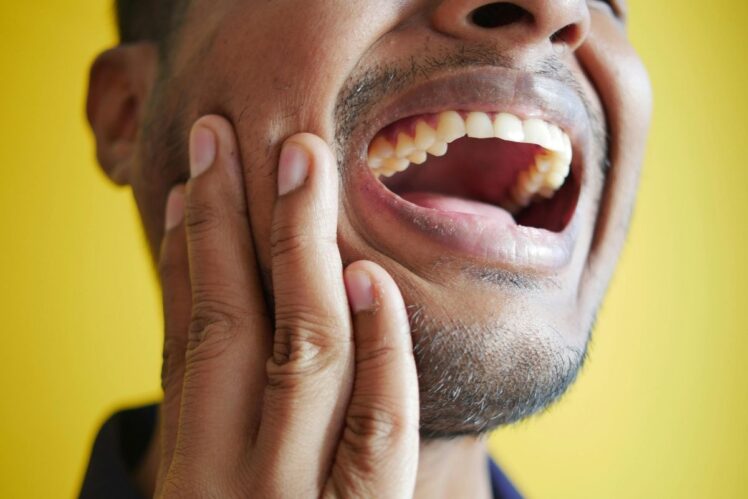
What dry mouth actually is
Dry mouth, also called xerostomia, means you do not have enough saliva to keep your mouth properly wet.
The Cleveland Clinic says saliva does more than make your mouth feel comfortable, it also helps keep it clean. NIDCR notes that saliva helps break down food, wash away food particles, support swallowing, and protect teeth by helping control germs and tooth decay.
Symptoms to look out for
Beyond that dry feeling, other signs can show up too. This includes trouble chewing, swallowing, tasting, or speaking, along with cracked lips, mouth sores, bad breath, and a dry or burning feeling in the throat or mouth.
Some people may even notice hoarseness, more thirst, sore spots on the lips or tongue, and even problems wearing dentures comfortably.
Left alone, it can become more than a nuisance. Ongoing dry mouth can raise the risk of plaque buildup, tooth decay, gum disease, mouth sores, cracked lips, and oral yeast infections like thrush.
It’s important to know that saliva is doing cleanup work in the background, and when there is less of it, the mouth loses some of its natural protection.

When to contact a doctor
If this is a health change for you, even a small one, get it checked.
Dry mouth that persists should be discussed with a doctor or dentist. Remember to take information on your symptoms, medicines, sleeping patterns, and underlying conditions. This will give your doctor a better understanding of the problem.
More About:Reader Questions