
Metallic Taste in Your Mouth? Causes and When to Call a Doctor


A reader wrote in asking why they keep having a metallic taste in their mouth. They want to know what common causes are worth checking.
According to the National Institute of Dental and Craniofacial Research, a lasting metallic, salty, rancid, or foul taste can be a sign of dysgeusia, which means the sense of taste is distorted.
As taste and smell are closely linked, a problem in the nose, sinuses, mouth, or throat can change how food and drinks taste.
A strange taste that sticks around
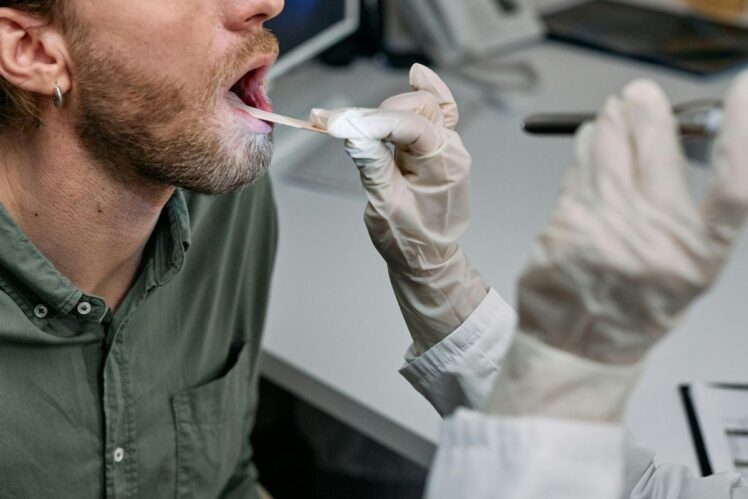
One common way people describe a lasting metallic taste is as if they’ve put “old pennies” in their mouth. Some people may notice this taste all day. Others may experience it when they eat, drink water, take medicine, or wake up in the morning.
The Cleveland Clinic states that a metallic taste can come from several common causes, including poor oral hygiene, gum disease, dental infections, prescription medicines, vitamins, colds, sinus infections, allergies, and pregnancy.
Other causes can range from cancer treatments, chemical exposure, kidney or liver problems, and diabetes.
Check the medicine cabinet first
Antibiotics, blood pressure medicines, diabetes medicine like metformin, lithium, some glaucoma medicines, and some supplements can leave a metal taste. Vitamins with zinc, copper, chromium, iron, or calcium may also do it.
WebMD states that a lingering metallic taste can be tied to medication use or poor tooth-brushing habits. This is often the first line of questioning from a doctor or dentist.
Mouth, nose, and stomach clues
Dental problems are another big potential cause of a metallic taste in your mouth. Bleeding gums, sore gums, bad breath, tooth pain, dry mouth, or dentures that don’t fit well can all point toward an oral health issue.
Sinus trouble can also change taste. A cold, allergies, postnasal drip, congestion, or a recent upper respiratory infection may make the mouth taste off because smell helps shape flavor.
Information from NIDCR shows upper respiratory and middle ear infections, poor oral hygiene, and dental problems can all be causes of taste problems.
Acid reflux can be another suspect, especially if the taste comes with heartburn, burping, sour fluid, nausea, or a burning feeling in the chest or throat.
Symptoms that help narrow it down

Pay attention to what comes with the taste. Look for:
- Bleeding gums or mouth sores
- Tooth pain or swelling
- Dry mouth
- Runny nose or sinus pressure
- New medicine or supplement use
- Heartburn or stomach upset
- Fatigue, weight loss, increased thirst, or frequent urination
- Loss of smell or changed smell
- Burning pain in the mouth
That last one matters because NIDCR notes dysgeusia can sometimes come with burning mouth syndrome.
When to see a doctor
Don’t try to mask the problem with mints and hope it fades. Every new health change deserves attention.
A metallic taste that lasts or keeps coming back should be checked. Start with your doctor or dentist, depending on what other symptoms you may have.
Never stop a prescribed medicine on your own. Always call the doctor who prescribed it and ask if taste changes are a known side effect.
More About:Reader Questions