
Why Do I Feel Lightheaded After Eating? What to Track


A reader wrote in asking about their lightheadedness after eating. They shared that it doesn’t happen after every meal, but the episodes are becoming more frequent. They want to know whether this is normal or something that needs checking out.
Firstly, feeling lightheaded after eating isn’t always a sign of a serious health problem. Blood pressure and blood sugar can both change as the body digests a meal. However, symptoms that are becoming more frequent should be checked by a doctor.
According to Harvard Health, one possible cause is postprandial hypotension, which means blood pressure drops after eating. During digestion, more blood is sent toward the stomach and intestines. The heart and blood vessels should adjust to keep enough blood flowing to the brain, but that response may not always work properly in some people.
It’s often too easy to dismiss a strange dizzy spell if it passes within a few minutes. Still, any changing pattern should be monitored, as keeping track of what happens could help a doctor identify the cause.
For instance, feeling unsteady 30 minutes after a large breakfast may offer a different clue than becoming lightheaded immediately after standing up from the dinner table.
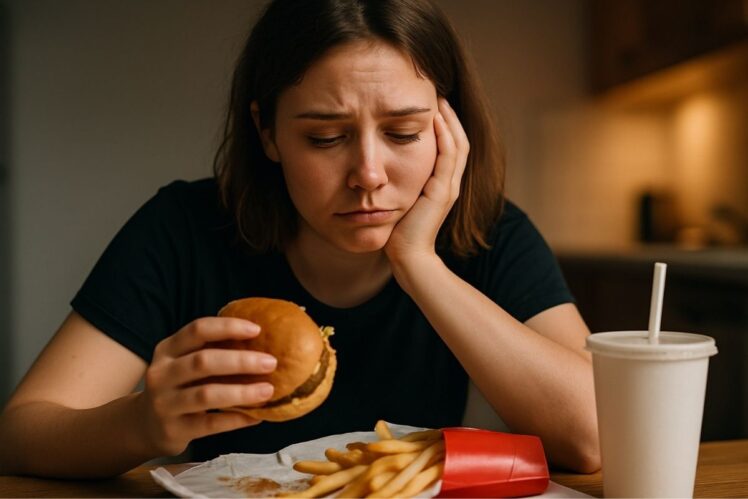
Is lightheadedness after a meal normal?
One brief episode may be caused by a temporary change in blood pressure, blood sugar or hydration. None of which automatically mean something is seriously wrong.
However, repeated lightheadedness isn’t something to ignore, especially when it’s happening more often.
The Cleveland Clinic states that a large drop in blood pressure after eating isn’t normal. Postprandial hypotension is more common among people over 65 and those with conditions such as high blood pressure, diabetes, Parkinson’s disease, heart failure or kidney disease.
With lightheadedness, there’s also a risk of falling. Even when the lightheaded feeling passes, fainting or losing balance can lead to an injury.
What can cause lightheadedness after eating?
Postprandial hypotension may happen when the heart rate doesn’t increase enough during digestion or the blood vessels don’t tighten as they should. Symptoms can begin within 30 to 60 minutes, although the blood pressure drop may occur up to two hours after eating. Large meals, dehydration and hot weather can make the problem more likely.
Medical News Today reported that reactive hypoglycemia is another possible cause. This happens when blood sugar falls after a meal. It may affect people with diabetes or prediabetes, but it can also occur in people without either condition.
Additionally, certain diabetes medicines can lower blood sugar too far. Food sensitivities, alcohol and caffeine may also contribute.
In other cases, the meal itself isn’t directly responsible. Instead the lightheadedness can come from standing suddenly after sitting. This can cause a blood pressure drop known as orthostatic hypotension.
If you suspect medication to be the cause, don’t change the dose or timing of prescriptions without speaking to your doctor first.

What other symptoms should you track?
We recommend writing down when each episode happens, what you ate and how large the meal was. Note how soon the lightheadedness began, how long it lasted and whether you had consumed alcohol or caffeine.
Other useful symptoms to track include:
- Shaking, sweating or sudden hunger
- Weakness or unusual tiredness
- Nausea
- Blurred vision or black spots
- Confusion
- A racing or irregular heartbeat
- Chest discomfort
- Fainting
The Cleveland Clinic states that a doctor may compare blood pressure readings taken before and after a meal. For many people with postprandial hypotension, the top blood pressure number drops by about 20 points.
If you have equipment to track your blood pressure or blood sugar at home, consider taking readings before and after food. However, you shouldn’t change your diet based on guesswork alone.
Anyone experiencing repeated episodes should see a doctor. Especially if they are increasing in frequency and impacting normal activities. Take your symptom records and a complete list of medications and supplements.
More About:Reader Questions