
CDC Testing Possible Hantavirus Case in Illinois

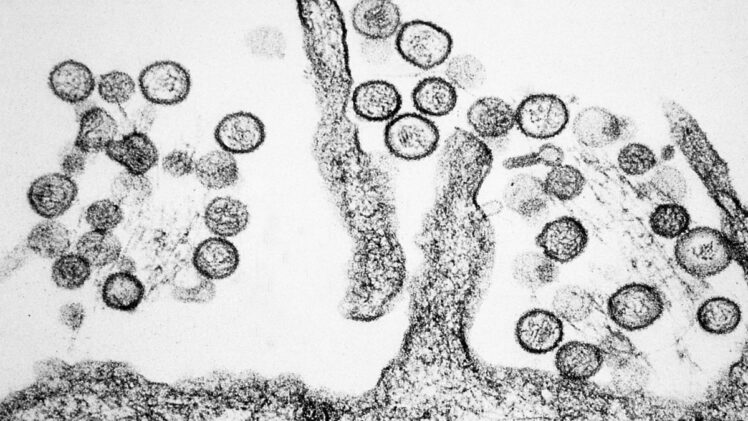
Illinois health officials are investigating a potential hantavirus case in Winnebago County, and officials say it is not linked to the recent MV Hondius cruise ship outbreak.
The Illinois Department of Public Health (IDPH) said the resident has not traveled internationally and has not had contact with anyone connected to that outbreak.
The CDC confirmatory testing could take up to 10 days.
According to ABC7 Chicago, the person is believed to have picked up the virus while cleaning a home where rodent droppings were present. Dr. Alfredo Mena Lora, an infectious disease specialist at Saint Anthony Hospital, said cases like this can happen when urine or feces from infected rodents become airborne during cleaning.
What officials know right now
FOX5 Vegas reported that the Winnebago County resident had mild symptoms, was not hospitalized, and is recovering. Health officials believe the person may have been exposed to a North American strain of hantavirus, which is different from the Andes strain tied to the cruise ship outbreak.
IDPH states that North American hantavirus strains are not known to spread from person to person. The agency also said the risk to Illinois residents remains very low.
A key fact is that Illinois has had seven confirmed hantavirus cases since 1993, not counting this latest potential case. The most recent confirmed Illinois case was in March 2025. Across the United States, 890 hantavirus cases were recorded from 1993 through 2023, according to IDPH.
What is hantavirus?

Hantaviruses are a family of viruses that can cause serious illness in people. The CDC states that they are mainly spread by rodents, especially through exposure to rodent urine, droppings, and saliva.
In the United States, hantavirus can cause hantavirus pulmonary syndrome, or HPS, a severe illness that affects the lungs.
This is not something most people run into every day. Yet, it’s one of those health stories that reminds you how quickly a normal household job can become risky if there are rodent droppings involved.
How hantavirus spreads
Information from the CDC shows that people most often contract hantavirus by breathing in contaminated air while cleaning areas where infected rodents have been. It can also spread if someone touches contaminated material and then touches their nose or mouth, eats contaminated food, or is bitten or scratched by an infected rodent.
IDPH highlights that people should not vacuum or sweep rodent-contaminated areas before disinfecting them, because that can send particles into the air. Instead, contaminated areas should be sprayed or soaked with disinfectant first.
Symptoms to watch for

The CDC says early HPS symptoms can include fatigue, fever, and muscle aches, especially in the thighs, hips, back, and shoulders. Some people may also have headaches, dizziness, chills, nausea, vomiting, diarrhea, or stomach pain.
Coughing, shortness of breath, and chest tightness may appear several days after the first phase of illness. The WHO adds that HPS can lead to sudden respiratory distress.
Anyone who has been around rodent droppings and develops these symptoms should call a doctor, urgent care center, or local health department for guidance.
More About:Health