
Gwen Stefani’s Baby at 44 Underscores a Changing Trend in American Motherhood


Gwen Stefani says getting pregnant with her youngest son in her 40s felt like a miracle, but U.S. birth data shows later motherhood has become far more common than it once was.
E! News reported that Stefani recently revisited that chapter of her life while speaking on Hallow, saying she badly wanted another baby and had started to believe it would not happen.
Entertainment Weekly reported that Stefani described the pregnancy as a “full-on gift” after her son Kingston prayed for a sibling. Apollo was born in February 2014, and E! News highlighted that Stefani has continued to frame that pregnancy as something extraordinary and deeply personal.
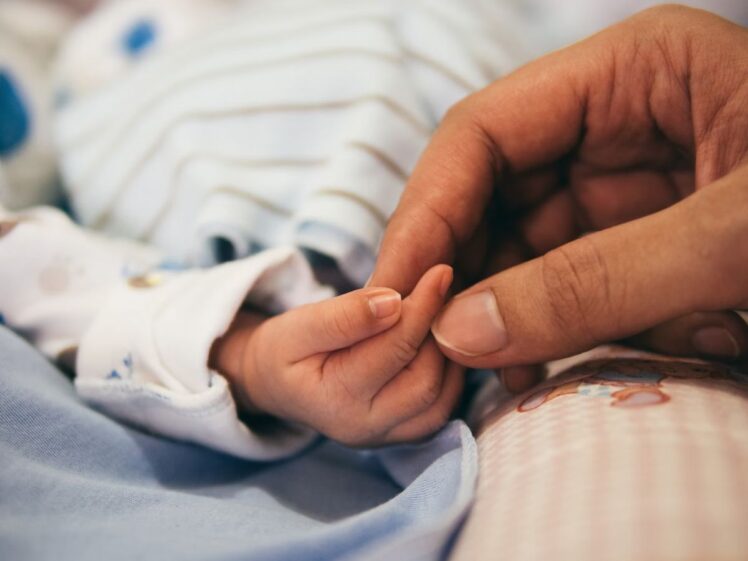
What the data shows for women having babies in their 40s
According to the CDC:
- Births to women aged 40 and over increased 193% between 1990 and 2023.
- In 2023, women 40 and over accounted for 4.1% of all births. This was up from 1.2% in 1990.
- Also in 2023, the birth rate for women aged 40-44 was 12.5 births per 1,000 women.
- The data from 2024 shows that the numbers grew to 12.7 births per 1,000 women.
- The rates for women ages 15 to 24 having babies declined. The rate for women 35 to 39 was unchanged.
All data relates to the United States only.
Changes in hospitals

The question might be, why is the data changing so much?
For starters, the old term for an older pregnancy was “geriatric pregnancy”. This has been replaced with “advanced maternal age”. However, this is not the only modernization.
Advanced maternal age now leads healthcare providers to see age as a cue for closer monitoring. For example, the March of Dimes notes that women over 35 may be offered added screening and diagnostic tools such as CVS and amniocentesis.
Additionally, screening for chromosome issues has become part of the discussion with all pregnant patients, regardless of age or risk.
In simple terms, older parents today get more information, more follow-up, and a more tailored plan than people did years ago.
So Stefani’s story may still sound remarkable in celebrity coverage, but in the wider U.S. picture, having a baby later in life is no longer unusual.
More About:Mother and Baby