
New York hits a record for flu cases as infections rise nationwide

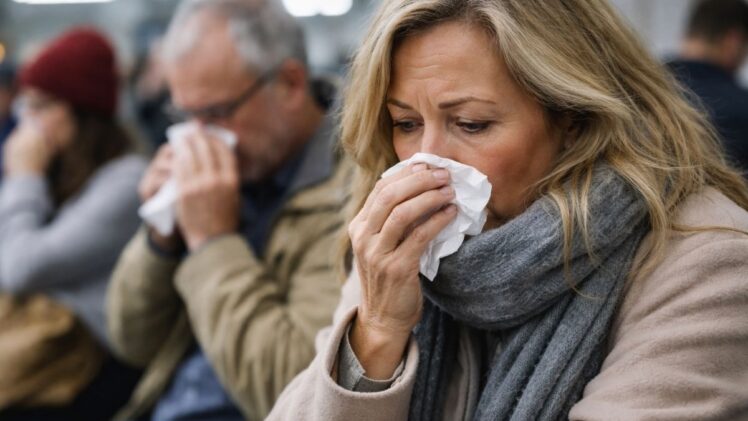
I don’t know about you, but in the run-up to Christmas, I’d been hearing heavy coughing, sneezing, and that slump over a cart only a flu ache can bring. I’ve heard and seen it in grocery isles, waiting rooms, and more.
My family has been lucky this Christmas, no one has caught the flu, but that’s not part of the trend. According to the CDC’s data, the flu is surging across the United States this holiday season. Whether it be the coming together of families, holiday travels, or busy shopping days, proximity and rushed hygiene has an impact.
In more than half of states, there are high or very high flu levels, and health officials are execting even higher numbers in the data once all the seasonal festivities are taken into account.
The data shows that at least 7.6 million illnesses, 81,000 hospitalizations, and 3,100 deaths as of December 20, 2025 relate to this flu season. And all that’s before factoring in Christmas Day, New Years, and everything in-between.
New York takes the hit
One of the worst hit states is New York. If we look just at the week ending December 20, the number of positive flu cases was up 38% from the week before, hitting a high of 71,123.
Bloomberg reported it was the highest single-week total since the state started tracking this way in 2004.
New York’s crowded trains and packed airports are all perfect for a respiratory virus that likes winter.
Subclade K
When it comes to the flu, the name you’ll keep hearing is Subclade K. This is a mutated version of H3N2, and H3N2 seasons tend to hit harder, especially for older adults.
As AP put it, it’s not a brand-new type of flu, but it has changed enough to slip past some immune protection.
According to the CDC, this subclade was identified in August 2025, and most of the H3N2 viruses characterized so far this season have fallen into that group. CDC notes the viruses are “antigenically drifted” compared with the H3N2 strain selected for the 2025–26 vaccine. Not ideal.
How much does the shot still help?
The message from experts remains the same, even with the Subclade K variation. That message is to get vaccinated. For instance, NPR’s Rob Stein quoted CDC epidemiologist Alicia Budd saying it’s “not too late to get vaccinated,” especially with holiday mixing still happening.
One encouraging detail is tucked in the CDC’s notes. Early vaccine-effectiveness estimates in England against flu-related hospitalization stayed in expected ranges, around 70–75% for children and 30–40% for adults, which supports the idea that the shot can still help keep people out of the hospital.
Meanwhile, fewer people are rolling up their sleeves. AP reported only about 42% of adults and children have gotten a flu vaccine so far this season.
Small moves that matter
If you’re 65+, pregnant, living with a chronic condition, or caring for someone who is, it’s worth acting sooner rather than later.
If symptoms start, don’t just think about yourself and whether you can continue uninterrupted. You might be able to get around, but when out and about, you don’t know who you will spread it too.
The CDC guidance highlights prescription antivirals that can treat flu, and they work best when started as early as possible, especially for people at higher risk.
One simple checklist I’m keeping in my head right now, partly as a mom, and partly because in busy work environments, one sickness can snowball into a staffing mess causing major headaches:
- Get the flu shot if you haven’t.
- Wash hands, often and well.
- Stay home when you’re sick, even if it’s inconvenient.
- Mask in crowded indoor spaces if the flu is ripping through your area.
- Call your doctor quickly if you’re high-risk and symptoms begin.
As for vitamin C, that’s fine, take it if it’s part of your routine, but don’t let it be your whole plan.
More About:Health