
Eye Pain With Redness? Symptoms to Watch and When to See a Doctor

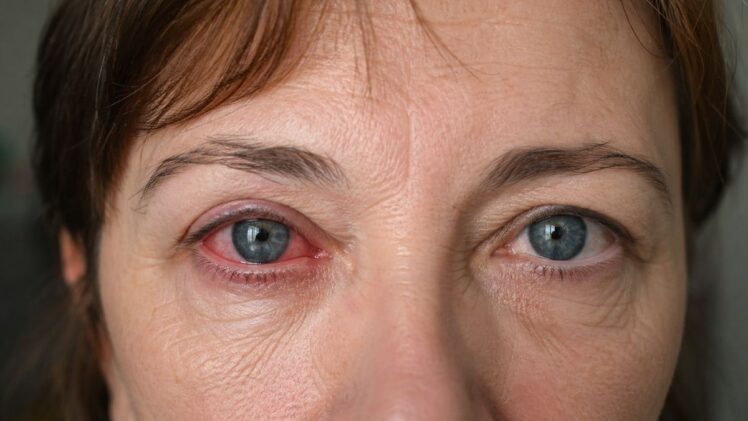
A reader wrote in asking about a painful red eye. They want to know potential causes and if they should be worried.
Firstly, a red, painful eye can come from something minor, but it can also be a warning sign that needs quick medical care. Other symptoms that you might be experiencing make a huge difference.
According to the Mayo Clinic, red eye can be linked to many causes, including allergies, eyelid inflammation, contact lens problems, a scratched cornea, dry eye, glaucoma, injury, keratitis, pink eye, uveitis, and other eye conditions. That’s a wide range of potential causes, some are irritating, whereas others are urgent.
I always think of eye symptoms differently than a sore knee or a stiff back. If you get sudden pain, it’s not the kind of thing to “watch for a few days” without contacting a doctor.
What can cause a red, painful eye?
A simple example of what causes painful red eye is irritation. This might be from dust, smoke, allergies, or too much screen time.
The Cleveland Clinic notes that redness happens when tiny blood vessels under the eye’s surface become larger or inflamed, often as a reaction to irritation.
It can also be from an injury, for instance, maybe something hit the eye. There might even be a scratch or an object is stuck there. Each of these is enough to cause varying levels of irritation.
A painful red eye can also come from an infection, such as pink eye, or from inflammation inside the eye. Contact lenses are another big one. A dirty lens, a poor fit, or wearing lenses too long can lead to pain and other eye problems.
The Mayo Clinic also lists more serious causes, including corneal ulcer, glaucoma, iritis, keratitis, orbital cellulitis, scleritis, and uveitis. These are conditions where medical help is immediately required.
Symptoms that help tell the story
As there can be so many causes, you need to pay close attention to what comes with the redness and pain.
The Cleveland Clinic says a painful red eye may also come with itching, discharge, swelling, or changes in vision, such as blurred vision. It may feel gritty, tender, watery, dry, goopy, or crusted.
A red eye that itches during allergy season is one thing. A red eye with deep pain, blurry vision, and light sensitivity is another. The latter definitely needs medical help.
The pain can also tell a story, for instance, is it sharp, aching, throbbing, burning, stabbing, or feel like pressure inside the eye. The Cleveland Clinic also says new eye pain, or pain that keeps getting worse, should be discussed with a healthcare provider as soon as possible.
Also watch for:
- Vision changes
- Light sensitivity
- Swelling around the eye
- Pus, mucus, or blood
- Fever or chills
- Nausea or vomiting
- Severe headache
- Halos around lights
- Trouble moving the eye
- A known injury or object in the eye
Not every symptom means the worst case, but multiple symptoms beyond the pain and redness is not worth gambling with. Seek medical help.
When to see a doctor

The Mayo Clinic says to get emergency medical care if eye discomfort and redness come with severe eye pain or irritation, direct injury, swelling in or around the eyes, blood or pus discharge, double vision, vision loss, sudden halos around lights, nausea or vomiting, or a sudden severe headache.
The Cleveland Clinic also recommends getting medical help quickly for eye pain with vomiting, halos, pressure, fever or chills, blurred vision, bulging eyes, trouble moving the eyes, or a known injury or foreign body.
Even in lesser cases, don’t ignore it. Red eyes can often go away on their own, but redness can sometimes point to a more serious eye condition. Always contact an eye doctor if your eyes feel tender, vision is affected, light sensitivity develops, symptoms last a week or more, symptoms worsen, pus or mucus appears, or fever and aches come with eye discomfort.
More About:Reader Questions