
Is It Dangerous to Stifle a Sneeze? What Experts Want You to Know

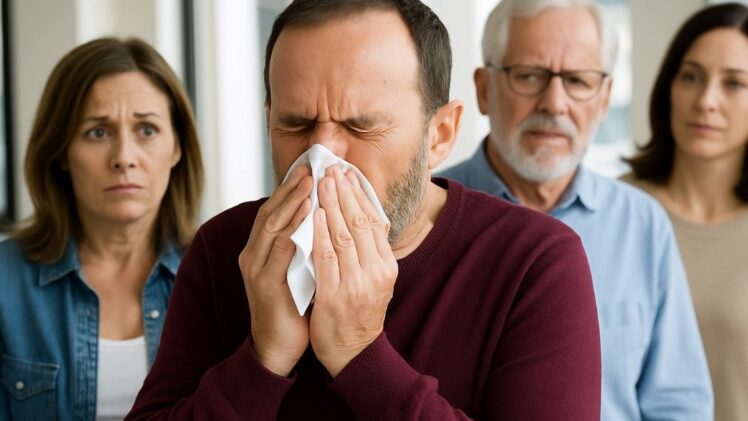
I have to admit, I still try my best to control a sneeze when in public places. No one wants to sneeze-out-loud while in a meeting or at church. It turns attention and can stop someone in their tracks.
However, good respiratory hygiene guidance, including infection control advice used in hospitals, explains that the goal should not be to silently sneeze in public places, but to stop droplets from spreading. This is done by covering the nose and mouth and cleaning hands after coughing or sneezing.
The reason this goal is highlighted is because I’m not alone in trying to silence or quiet a sneeze. For example, a British man who tried to hold in a powerful sneeze ended up with a small tear in his windpipe and several days in the hospital after air leaked into his neck.
A small tear in his windpipe
NDTV reported that doctors traced the injury back to a single, forceful sneeze he tried to stifle while blocking his nose and mouth.
According to BMJ Case Reports, as covered in pieces from ABC News and other outlets, the man had clamped his mouth shut and pinched both nostrils to stop the sneeze, which drove a sudden burst of pressure into the soft tissue around his throat. BMJ Case Reports found that this created a tiny perforation in his airway, a rare but serious complication that needed close monitoring.
That first sharp, popping sensation in his neck was the man’s clue that this sneeze was different from the ones he had swallowed in the past. Reports say the pain worsened, his neck began to swell and swallowing became difficult, which finally pushed him to seek emergency care.
From there, scans showed pockets of air trapped under the skin of his neck and a small hole in his windpipe, so doctors admitted him, used a feeding tube to let the area rest and gave antibiotics to reduce the risk of infection before sending him home with one simple warning, do not block your nose when you sneeze.
LiveScience noted that specialists called it the first known case of this exact kind of sneeze related tear.
An essential bodily function
Let’s get one thing clear: sneezing aloud is not bad manners, it’s a built-in reflex to clear irritants from your nose and upper airway.
Healthline notes that when something like dust, pollen or a strong smell irritates the lining of the nose, your body builds up pressure in the chest, the tongue moves, and a burst of air shoots out to push those particles away.
When air moves through your nose in normal breathing, tiny hairs and moist tissue help trap many of the particles before they reach your lungs, and the nasal passages warm and humidify the air as it passes through. If the irritant load gets too high, that sneeze reflex fires, and the quick, messy blast is your body’s way of hitting the reset button on that filter system so it can start fresh again.
Many of us have the feeling that sneezing may occur at an inconvenient time or even be an embarrassment in a quiet room, but holding it in can shift that powerful pressure into places it does not belong.
ENT specialists warn that trying to block both the mouth and nose can strain delicate blood vessels, the eardrums and, in rare cases like the one mentioned above, the throat itself.
When you let the sneeze out, the air has a clear exit path, so the pressure drops quickly once the reflex finishes. If you clamp everything shut, the force has to find another route inside your head and neck, and that is where small tears, severe ear pain or bad headaches can occasionally show up.
Therefore, not only is trying to stop a sneeze potentially dangerous, it’s also preventing an essential bodily reaction to dust, pollen and irritants.
What really happens when you sneeze?
One article from the American Lung Association noted that a sneeze can travel close to 100 miles per hour and send tens of thousands of droplets into the air around you. That speed is part of why the British patient’s blocked sneeze built such intense pressure in his neck and also why uncovered sneezes are so effective at sharing germs with everyone nearby.
I recall when working in the food industry years ago, that whenever someone sneezed and did not cover adequately near the service line, it would trigger a race as glasses, plates and surfaces had to be disinfected rapidly.
The reality is, in a busy room, one person with a virus can easily turn into several sick coworkers or customers if basic hygiene slips, even for a day.
Safe habits
It’s at home where small choices add up, especially if you have grandkids, aging parents or anyone with lung or heart problems coming in and out.
Respiratory hygiene articles say the basics are simple, cover the nose and mouth, throw tissues away and clean your hands after any cough or sneeze.
These are the habits I follow with my mixed age household:
- Cover with a tissue when you can.
- If no tissue is handy, aim into your elbow or sleeve.
- Place tissues where people actually are so they are easy to find and use.
- Always wash your hands with soap and water after sneezing.
Data from the Centers for Disease Control and Prevention shows that regular handwashing can prevent about 20 percent of respiratory infections, including many of the colds and flu cases that spread through those tiny droplets.
Effectively covering coughs and sneezes and keeping hands clean helps protect you and the people around you from serious respiratory illnesses.
More About:Preventive Health