
Could Your Belt Be Harming Your Health Without You Knowing?

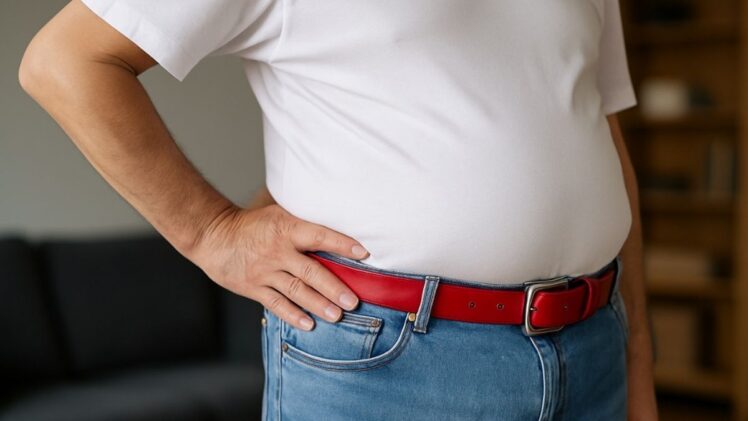
I used to joke that my “good” belt was my portion control when I was on my feet constantly at work, right up until the nights I drove home with a burning in my chest and my waistband digging in. Those of us in our fifties know that once heartburn starts showing up more often, it becomes one more health-related thing you have to manage around work, sleep, and family dinners.
Did you know that millions of Americans over 50 buckle a belt every morning and never think twice about it. Yet tight belts and waistbands have been linked with more heartburn, nerve pain in the legs, and even changes in posture that can feed into back pain for some people.
For example, you finish a big holiday meal, settle into your favorite chair, and your belt is cutting in just enough that you feel full, stiff, and somehow uncomfortable from your ribs down to your lower back. That kind of constant squeeze can nudge digestion, posture, and even nerves in ways that add up over time, especially if it happens every single day.
According to a study in the journal Gastroenterology, adding a snug waist belt after a meal raised acid reflux in people who already had reflux problems, because the belt pushed pressure back toward the stomach and esophagus.
Another small experiment from researchers found that when volunteers wore very tight belts, especially if they were overweight, they developed more reflux and small hernias at the top of the stomach, which some news outlets linked to a higher throat cancer risk.
Loosening the squeeze on your stomach
In the Gastroenterology journal, doctors talk about “intra-abdominal pressure,” which is a fancy way of saying how much your belt, your waistband, and your belly are pushing against your organs. When that pressure climbs, acid can move upward instead of staying where it belongs.
The result is that burning in your chest, sour taste in your mouth, and nighttime cough many of us chalk up to age.
Data from a waist-belt study in Gut shows that even healthy volunteers developed extra short-segment reflux when they combined tight belts with central weight around the middle, which helps explain why heavy, snug waistbands bother so many older adults.
What this does not mean is that a belt alone “causes cancer,” and a Swedish case-control study in the International Journal of Cancer did not find a clear rise in esophageal cancer from long-term belt use, but it does tell us that comfort around the waist is not just vanity.
That quiet pull on your lower back
Another area that tight waistbands and belts impact is our posture when sitting and standing. In one experiment, people wearing tight pants and waist restriction bent more through their lower spine and pelvis when they moved from standing to sitting and while they stayed seated, which can strain the small joints and soft tissues in the low back over time.
Tight clothing around the hips and waist was also flagged by Verywell Health as a contributor to postural problems and musculoskeletal strain, especially when people spend hours sitting, driving, or working at a desk in the same outfit.
One bad day probably is not the issue, but years of small extra pressure plus less movement can make an already cranky back or painful joints even less forgiving.
How tight is too tight for your nerves?
Another surprising story that pops up when it comes to poorly fitted belts is nerve compression. Nerve problems can start as a minor annoyance, then suddenly feel big when you cannot sleep because your thigh is buzzing.
The Mayo Clinic explains a condition called meralgia paresthetica, where a sensory nerve in the outer thigh gets pinched as it passes under the front of the pelvis, and lists tight belts and restrictive clothing as common triggers along with tool belts and weight gain.
People describe burning, tingling, or numbness on the outside of the leg, which often eases when they loosen clothing or sit in a way that takes pressure off the nerve. That odd patch of “dead” skin on the thigh after a long day in fitted pants and a belt is not your imagination.
Nerve experts at the Cleveland Clinic note that, while meralgia paresthetica is treatable, symptoms can become very bothersome if the pressure continues, so the first advice is usually to switch to looser waistbands or suspenders and avoid heavy belts.
Nickel allergy
So this one came as a huge surprise to me, but metal buckles create their own problems. Nickel allergy is one of the most common skin allergies worldwide, and the Mayo Clinic shows photos of classic rashes where a belt buckle rests against the lower stomach.
The Cleveland Clinic notes that nickel allergy often shows up as itchy, red, sometimes blistering patches exactly where the metal touches the skin, and belt buckles are a frequent culprit along with jean snaps and jewelry.
If you keep treating a “mystery” rash near your waistband and it always returns in the same rectangle, your buckle may be the real problem, not your laundry detergent. Try using a plastic, coated, or clearly labeled nickel-free buckle to stop the irritation.
Toxic threads and hidden chemicals
Greenpeace has been tracking chemicals in clothing for more than a decade and has reported hormone-disrupting and persistent substances in garments from big fashion brands, especially in items treated to be stain resistant or water repellent.
Those treatments can end up in accessories too, including low-cost belts made from synthetic “leather” or coated textiles.
For instance, Verywell Health notes that tight, non-breathable clothing in the groin area can raise the risk of yeast infections and worsen moisture and heat. It’s also suggested that long-term heat and pressure in that area may affect sperm quality or hormone balance in some people.
It’s important to know that any single belt is the cause of fertility trouble, but if you are already worried about infections, prostate issues, or hot, damp skin under synthetic fabrics, it makes sense to choose more breathable, natural materials.
Smarter belt habits for everyday life
If you already live with reflux, low back pain, leg tingling, or skin rashes under your belt line, it is worth doing a one-week experiment with looser waistbands, softer fabrics, and nickel-free buckles to see what changes.
It’s important to remember that choosing the right belt is less about fashion rules and more about how your body feels after a full day of living in it. A simple test is whether you can slide two fingers comfortably between your belt and your waist while you are sitting after a meal. If you cannot, it is probably too tight for all-day wear.
We recommend seeing your doctor to evaluate any persistent pain, numbness, or rashes.
More About:Preventive Health