
Chrissy Teigen’s Relapse Shows Why Help Matters in the Fight for Sobriety


American model and television personality Chrissy Teigen (40) admitted on January 27, 2026, that she was back to sobriety after a relapse.
Teigen credited reality star Carl Radke in an Instagram post, thanking him for helping her recommit after trying to drink mindfully without success.
At the time of her admission, she had been 52 days drink-free.
The Daily Beast reported that Teigen called the relapse quiet, a slow return that didn’t set off alarms. This is a massive detail that anyone fighting addiction, or those around them, should take notice of.
A specific example from Teigen’s own description stands out: the drinking crept earlier into the day, and that “just one” thought process turned into a routine.
The Daily Beast notes that it reached a point where the daytime drinking was leaving her feeling sick.
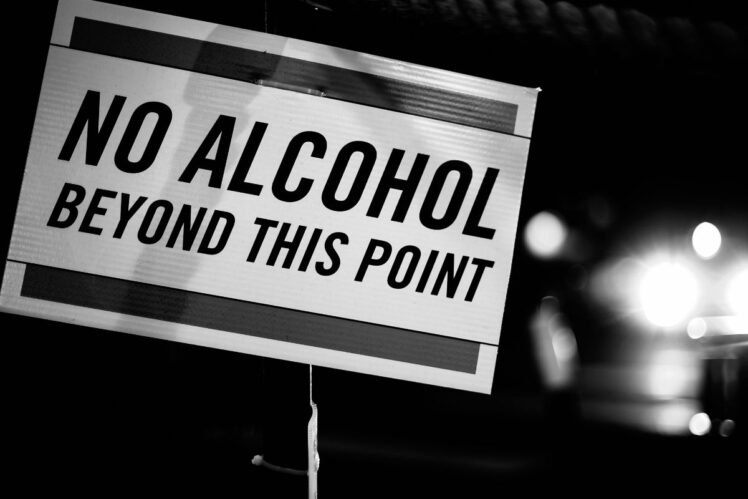
A relapse isn’t failure
Some people picture a relapse as one night that goes too far. Yet, it normally starts with the idea that willpower alone can control the addiction. What starts as a drink on special occasions, potentially ends with a spiralling effect that grows.
What’s important to know is that medicine treats addiction as a chronic and treatable disease, not a character flaw.
As the CDC explains, addiction involves complex interactions across brain circuits, genetics, the environment, and a person’s life experiences.
Information from the National Institute on Drug Abuse, in which alcohol is included, shows relapse rates for substance use disorders are often in the 40% to 60% range. This is comparable to other chronic illnesses.
Additionally, the National Institute on Alcohol Abuse and Alcoholism states that the brain changes with addiction. Effectively, the brain’s plasticity plays a role in both developing alcohol use disorder and recovering from it. This is why cravings and triggers can hang around long into deep stretches of sobriety.
What all this means is that relapses are common. It’s the ability to identify, react, and get real help that’s important.

Getting help
If you’re reading this and thinking, “That sounds familiar,” you’re not alone, and you don’t have to white-knuckle it.
Reach out to SAMHSA, which offers a free and confidential service to help people struggling with addiction. NAMI and the 988 Lifeline also offer help for people in crisis.
There are many places to get the help needed. A relapse can be part of recovery, but it’s also a sign to reach for support.
More About:Health