
Burning Sensation in Your Chest After Meals, What It Could Mean

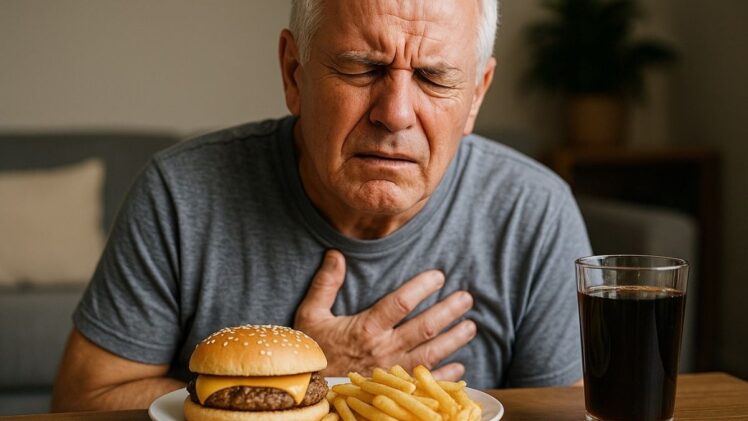
A reader has written in saying that they experience a burning sensation in their chest after eating. They’re curious as to whether it’s reflux or something else.
Unsurprisingly, that chest burning sensation after meals is one of the most common reasons people start wondering about reflux. It often shows up as a hot, rising discomfort behind the breastbone, especially after a bigger meal or when you lie down too soon.
This can be more than just a burning sensation. It can be pressure, or even pain in the chest. These symptoms can even come and go depending on habits, foods eaten, and timing.
What is reflux?
Normally, when food goes through your system, acid stays where it belongs. However, reflux is when that system slips.
The Mayo Clinic states that reflux happens when stomach contents move back up into the esophagus, the tube that carries food to your stomach. When that backwash is frequent or causes irritation, it can turn into GERD, which is the long-term form of reflux.
The burning sensation is the symptom, whereas acid reflux is the action taking place. If this is an ongoing symptom, and it is frequent and troublesome, it is called GERD (the ongoing condition).
Understanding this difference is important because an occasional flare-up after spicy pizza is not the same thing as symptoms that return after every meal.
The usual signs of reflux
The headline symptom is a burning sensation in the chest after eating, but that’s not the only symptom to look out for. Other symptoms include:
- A sour taste in the mouth
- Food regurgitation
- A nagging cough
- Hoarseness, or a feeling like something is stuck in the throat.
The Mayo Clinic also highlights that symptoms can be worse at night or after lying down, which is why people often notice it when they’re trying to sleep.
Picture a dinner that’s heavier than usual. Spicy food, a late dessert, maybe a second coffee. You feel fine at first, then 30 minutes later your chest starts burning, and it creeps up toward your throat.
This is a pattern that lines up with heartburn for a lot of people, and the Cleveland Clinic notes that symptoms often show up after meals, in the evening, or when bending over.
When it’s more than just heartburn

It’s easy to confuse heartburn, acid reflux, and GERD as it’s in-part, the same. However, not tracking what’s happening and when is a problem, as it becomes hard to explain to a doctor. This can stop you getting the help you need.
This is important as there are so many other causes of the main symptoms shared across heartburn, acid reflux and GERD, including:
- A stomach ulcer or gastritis
- Gallbladder problems
- A hiatal hernia
- Esophageal irritations
- Heart problems.
In any scenario, if symptoms are frequent, severe, or worsening, see a doctor.
More About:Reader Questions