
New Burning Pain in Your Hands? What It Could Mean and What to Do


A reader wrote in saying they’re experiencing a burning pain in their hands several times each week. They wanted to know if it could be seasonal, or maybe an allergic reaction to something they touch.
According to Johns Hopkins Medicine, hand pain can come from many different issues, including nerve problems, injuries, arthritis, tendon problems, and conditions that affect the wrist and fingers. Johns Hopkins highlights that carpal tunnel syndrome can cause burning or tingling in the fingers, especially the thumb, index finger, and middle finger.
I get why the allergy question comes up. When something happens on and off, it’s easy to blame the weather, a soap, a lotion, or whatever new thing came into the house. I do the same thing when my hands get dry in winter.
Can allergies cause burning pain in the hands?
If your hands start burning after using a cleaner, touching a plant, wearing latex gloves, or trying a new skin product, an allergic or irritant reaction is possible.
The American Academy of Dermatology states that contact dermatitis can cause itchy skin, rash, dry cracked skin, tender skin, and burning or stinging. The Mayo Clinic also says contact dermatitis is an itchy rash caused by direct contact with a substance or an allergic reaction to it.
That means allergies can cause burning. But burning alone, especially without a rash, swelling, redness, peeling, or itching, may mean the cause points somewhere else.
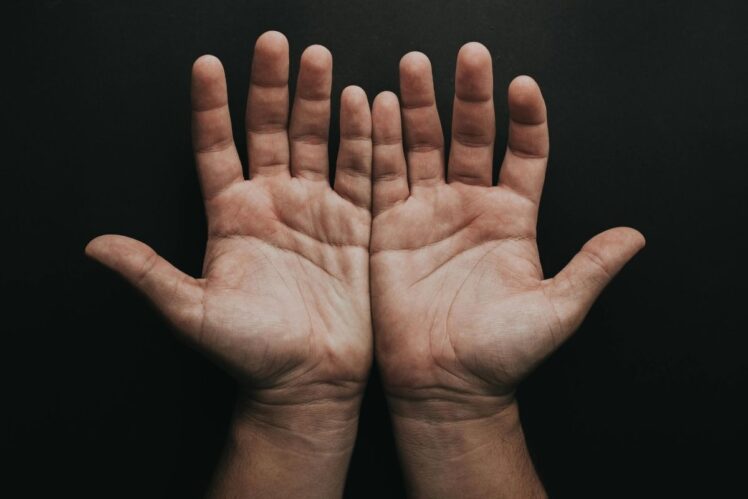
The seasonal angle
Cold weather can dry and irritate the skin. Warmer weather can make the hands feel hot. Seasonal allergy months can also mean more handwashing, sanitizers, tissues, lotions, and cleaning products. Any of those can irritate the skin.
Still, seasonal causes usually leave a trail. The burning may show up after exposure, then calm down once the trigger is gone. If it keeps happening several times a week with no clear pattern, I’d look past the calendar.
Recurrent burning pain points to nerves
The Mayo Clinic states that peripheral neuropathy can cause numbness, prickling, tingling, sharp pain, throbbing pain, or burning pain in the hands or feet. It can also make normal touch feel painful.
Information from the National Institute of Diabetes and Digestive and Kidney Diseases (NIDDK) shows that peripheral neuropathy can make the feet, legs, hands, or arms feel burning, tingling, numb, painful, or weak. They also state that some people may feel pain even from light touch and may have trouble sensing pain or temperature.
Healthline adds that a warm or burning feeling in the hands or fingers may come from several causes, including carpal tunnel syndrome, fibromyalgia, or nerve damage.
Other possible causes include a pinched nerve in the neck, vitamin deficiencies, thyroid problems, autoimmune conditions, infections, medication side effects, diabetes-related nerve damage, or circulation problems.

Other symptoms to watch
A few details can help a doctor narrow down the cause.
Watch for numbness, tingling, weakness, swelling, color changes, rash, blisters, stiffness, neck pain, or pain that wakes you up.
Notice whether the burning pain affects one hand or both. Track whether it hits certain fingers.
Also write down whether it happens after typing, sleeping, driving, eating, exercising, or using certain products.
When to see a doctor
Harvard Health states that carpal tunnel syndrome can cause numbness, tingling, pain, or weakness in the hand, and it comes from pressure on the median nerve in the wrist.
See a doctor if the burning pain keeps coming back, gets worse, spreads, or comes with numbness, weakness, swelling, skin changes, or loss of feeling.
Get urgent medical help if hand symptoms appear with chest pain, trouble breathing, sudden weakness, confusion, or symptoms on one side of the body.
More About:Health