
Blurry Vision After 40? What Sarah Jessica Parker’s Experience Can Teach You

We received a message from a reader who was having increasing trouble with their vision as they aged. Specifically, blurred vision when trying to read. Their main concern was whether something else could be wrong.
The main thing to know is that age-related blurry near vision is incredibly common in the United States. In a recent report in People magazine, actress Sarah Jessica Parker, who was experiencing this issue too, said that roughly 128 million Americans deal with it.
In the sane report, Parker said she first noticed the change in her vision around 15 years ago while reading in bed. The pages became uncomfortable and a challenge.
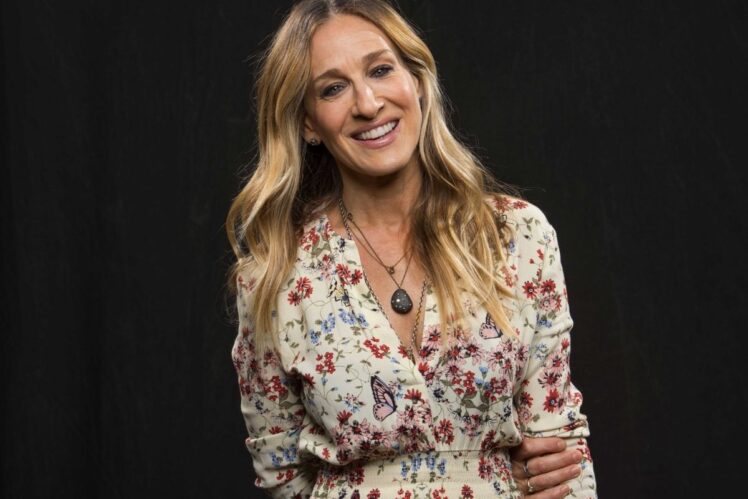
What she discovered was that she needed reading glasses more and more. So much so, it changed how she acted when considering grabbing a book or checking her phone.
I’m adding all of this because I’ve watched this happen to people I love too. They’ll change what they want to do because of their vision.
What may begin as little annoyances can become a bigger problem. For example, night driving is often the first big wake-up call for most people.
According to the American Academy of Ophthalmology, aging eyes can bring difficulty seeing at night, often result in dry eyes, and trouble reading fine print. Additionally, there might be moments where objects blend into the background more than they used to.
The quiet checklist behind blurry print
Let’s get a little technical for a moment. The usual suspect behind blurry vision is presbyopia. This is a gradual up-close blur that tends to show up in your early to mid-40s and keeps progressing into your 60s.
You may have seen people in restaurants moving the menu closer to and farther from their face as they try to read the finer print. That’s potentially presbyopia in public view. Some days your vision is fine. Other days, it can create challenges.
As mentioned before, dry eye is part of this midlife package. The American Optometric Association reports that tear production drops with age. As a result, eyes can feel irritated, gritty, or simply tired more often.
What should you look out for?
The objective should be to watch for patterns, and not just rely on one bad day. Look out for:
- Print looking fuzzy up close, even in good light.
- You need brighter light to read comfortably.
- Glare or halos feel worse at night.
- One eye seems noticeably different from the other.
- Headaches show up after screens or close work.
- Sudden changes, flashes, or a curtain-like shadow need urgent attention.
Your eye exam
The reality is that if you’re going for new glasses or eye exams frequently, you’re already being checked for serious issues. For example, a single eye exam can spot signs of diabetes, an aneurysm, a brain tumor, certain cancers, and giant cell arteritis.
Verywell Health reported that because the retina and optic nerve connect closely to the brain, and because eye doctors can directly view blood vessels, a comprehensive exam can sometimes flag problems like high blood pressure or high cholesterol, too.
So, if your vision changes, having an exam, even if it’s mainly for new glasses, is a solid move. Yet, don’t stop there.
If you have concerns, book a full, comprehensive eye exam and tell them what’s changed. Be specific. We recommend keeping a diary of patterns over time and taking it with you to see your specialist.
People magazine’s report on Sarah Jessica Parker highlights that no matter who you are, you can get boxed in by blurry vision until you get the right help.
More About:Reader Questions