America’s WHO Split Is Now Official, Here’s What It Could Mean for U.S. Health

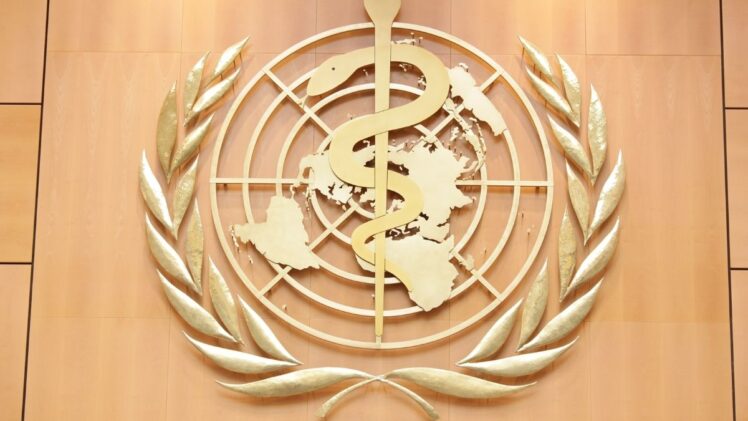
The United States has officially split from the World Health Organization (WHO).
President Trump’s administration said:
- The WHO had drifted from its core mission.
- It pointed to the WHO’s COVID-era decisions.
- Adding that the agency gave unfair criticism of U.S. actions during the pandemic.
- Stated that the U.S. pays too much compared to other countries.
The U.S. has historically been the WHO’s biggest backer, providing 18% of its overall funding.
According to reports, the split has already forced cuts across the WHO. This includes a reduced management team, with plans to cut staff set to be complete by mid-2026.
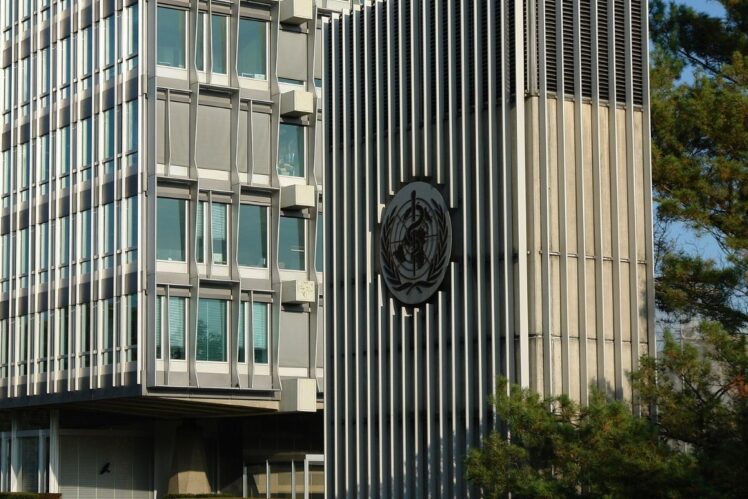
As of January 22, 2026, the U.S. flag was removed from the WHO headquarters in Geneva.
What changes for you at home?
After the split, the IDSA reported that the U.S. would no longer participate in the Global Influenza Surveillance and Response System.
Therefore, sharing virus samples and data used to help pick yearly flu vaccine strains will not be as simple. For people who rely on flu vaccinations, this could be an issue.
Areas of potential impact include:
- CDC updates for outbreaks and travel health. This is relevant if you’re going abroad.
- Your regular vaccines and boosters may be impacted, as data drives the strains used in vaccinations.
- Your doctor’s guidance may be impacted if you’re immunocompromised or caring for someone who is.
CBS News reported that officials have not finished working out issues like access to international disease data. This is important, as it can give the U.S. early warning of a new pandemic.
STAT also warned that bilateral deals between nations can’t fully replace the WHO’s broad surveillance and coordination network.
The WHO and its member states are expected to discuss how the U.S. departure will be handled in February.
Why Washington says it walked away
According to White House documentation from January 20, 2025, the withdrawal is tied to the WHO’s COVID response, reform demands, and concerns about political influence.
The documentation also highlights:
- The government was to pause future transfers of U.S. funds.
- Pull back personnel working with the WHO.
- Stop negotiations on WHO-led pandemic and rules updates while the withdrawal was underway.
The United Nations’ withdrawal criteria include a year’s notice and any owed money paid in full. The U.S. still allegedly owes more than $270 million for 2024–2025. However, administration officials say they are not obligated to pay under the WHO constitution.
Expect the monetary side of this story to continue for months to come.
More About:Health