
Allergy Season Is Back, Symptoms to Watch and How to Prepare


In 2024, it was reported that 82 million people across the United States suffered during allergy season. So, as we once again head into the heavier pollen seasons, allergies are on many people’s minds.
Whether it be stuffy noses, itchy eyes, or even poor sleep, the next few months could be a challenge that wears people down. Getting ahead of the pollen curve is definitely beneficial.
When is allergy season?
For some, allergy season usually starts in late winter and early spring, then stretches into summer and even early fall, depending on where you live.
According to the Asthma and Allergy Foundation of America, tree pollen is often the first big trigger, showing up from February through April in much of the U.S., while grass pollen tends to hit from April into early June, and weed pollen often takes over in late summer and fall.
According to the Cleveland Clinic, seasonal allergies usually flare in spring, summer, and early fall, when trees, weeds, and other plants bloom and pollen counts climb.
That’s why this is the time of year when allergies kick in en masse.
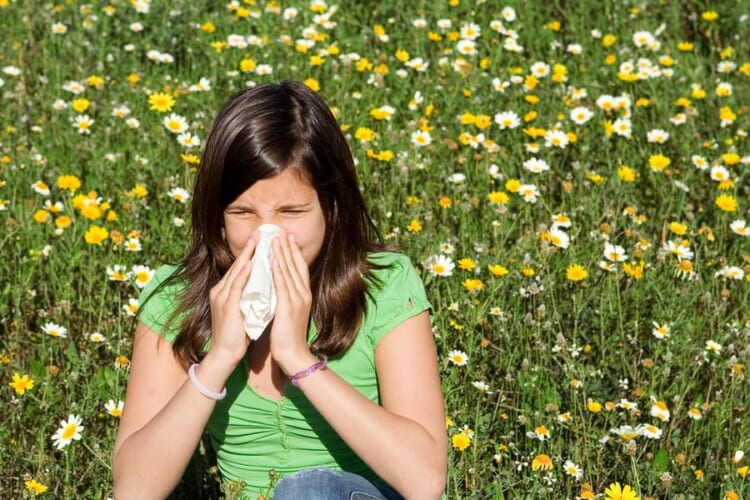
Common pollen allergy symptoms
The Mayo Clinic states that hay fever can interfere with daily life and sleep and can leave people feeling fatigued.
For most people, it starts with the nose, with common symptoms including:
- Congestion
- Sneezing
- A runny nose
- Sinus pressure
Other common symptoms include:
- Itchy, watery, red eyes
- An itchy throat
- Headaches
- Tiredness
- Coughing or wheezing
- Dark circles under the eye.

Getting ready for allergy season
Sadly, there is no way to completely avoid hay fever, but cutting down exposure to allergens and taking allergy medicine before exposure can help.
The following simple steps can make a difference:
- Close windows in your home and car if pollen is reportedly high in your area
- Avoid rubbing your eyes and face if they are itchy
- Use air conditioning or vacuum filters that reduce allergens
- Keep pets off beds or couches if pet dander is part of the problem.
Medication is also an important factor when it comes to getting ready for allergy season. Whether you opt for over-the-counter antihistamines or a prescription, this medicine helps block histamine during an allergic response. The medication comes as pills, liquids, eye drops, sprays, and more.
Be warned, antihistamines often have side effects, specifically drowsiness.
It’s important to remember that you don’t need to wait for symptoms to get on top of you before you act. Get into a routine early and protect yourself as much as you can to mitigate the worst of the symptoms.
If you cannot get relief, if allergy medicine causes side effects, or if another condition like asthma, nasal polyps, or frequent sinus infections makes your symptoms worse, contact your doctor.
More About:Health