
Aldon Smith’s Brain Being Tested for CTE After Sudden Death

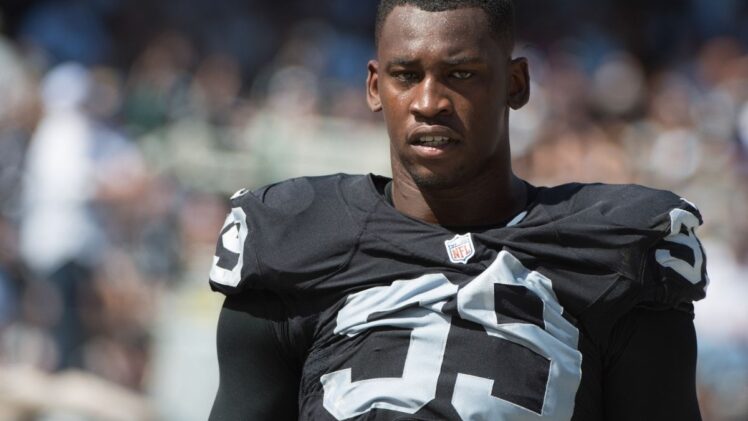
Aldon Smith’s family is sending his brain to Boston for medical testing after the former San Francisco 49ers linebacker died Saturday, June 13, 2026, at age 36.
The 49ers announced his death that afternoon, calling it “sudden and tragic” and remembering both his on-field dominance and his personality away from football.
According to People, Smith’s family believes chronic traumatic encephalopathy, better known as CTE, may have played a role in his death. The outlet reported that his family said he suffered “numerous concussions” during his NFL career and is sending his brain to Boston for examination.
How Smith was found
Hours before his death, Smith helped deliver pizzas to a homeless charity in the San Francisco Bay Area. People reported that his friend, Amir Shirazi, later found Smith unresponsive in the passenger seat of a truck and called 911.
The Associated Press (AP) reported that Smith was taken to a hospital and declared dead. No cause of death has been released, and his family has hired attorneys Harry Daniels, Bakari Sellers, and Wayne Kendall to investigate what happened.
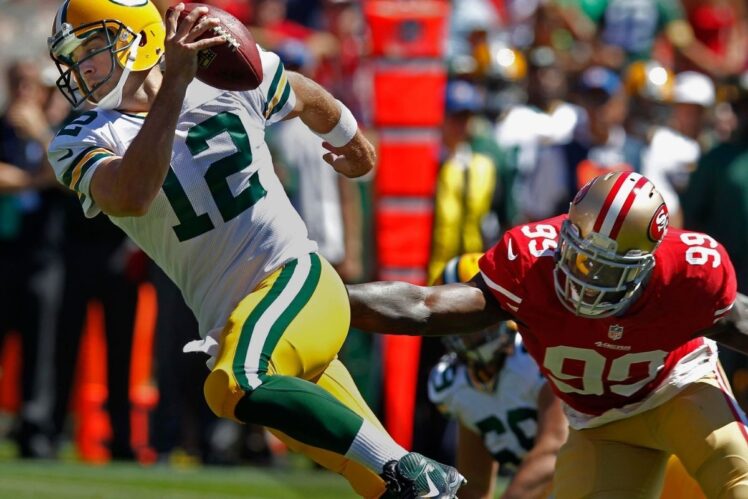
The family wants answers
Attorneys for the family said they “intend to get to the bottom of it,” according to AP. They also said medical experts in Boston will examine Smith’s brain for CTE and other damage tied to years of concussions and trauma.
People’s coverage highlighted that the family is looking into whether head injuries suffered during Smith’s football career may have contributed to his death. It’s a painful question, but not an unfamiliar one for families of former football players.
What is CTE?
CTE is a progressive brain disease linked to repeated head trauma, including concussions and repeated impacts that may not cause obvious concussion symptoms. The Concussion Legacy Foundation states that CTE involves tau protein changes that can spread through the brain and damage brain cells over time.
The Mayo Clinic adds that CTE can only be definitively diagnosed after death, through an autopsy of the brain. That’s why brain donation and testing often become part of these cases after a former athlete dies.
What people with CTE may experience

Symptoms can be difficult to pin down. The Mayo Clinic says possible CTE symptoms can include memory loss, trouble thinking, problems planning or organizing, impulsive behavior, aggression, depression, emotional instability, substance misuse, suicidal thoughts, and movement problems.
Not everyone with those symptoms has CTE and many medical or mental health conditions can look similar. Sadly there are no specific symptoms clearly linked only to CTE.
What the testing may show
For Smith’s family, the brain examination may help answer whether repeated head trauma from football contributed to his struggles, his condition, or his sudden death. It may not explain everything. Sometimes medicine can only give part of the picture.
Still, after a life this public and a death this sudden, even a partial answer can help. For the family, this appears to be about clarity, not spectacle. And for anyone who watched Smith’s rise and fall from a distance, it’s another unsettling reminder that the hardest hits in football aren’t always the ones we remember seeing.
More About:Health